Buying Guides
A buyer's checklist for hot chocolate-capable milk frothers in 2026
Most people buy one milk tool for one drink and then fight it on the second. Use a practical checklist for temperature control, batch size, and cleanup so your next purchase works for both foam and cocoa without hidden frustration.
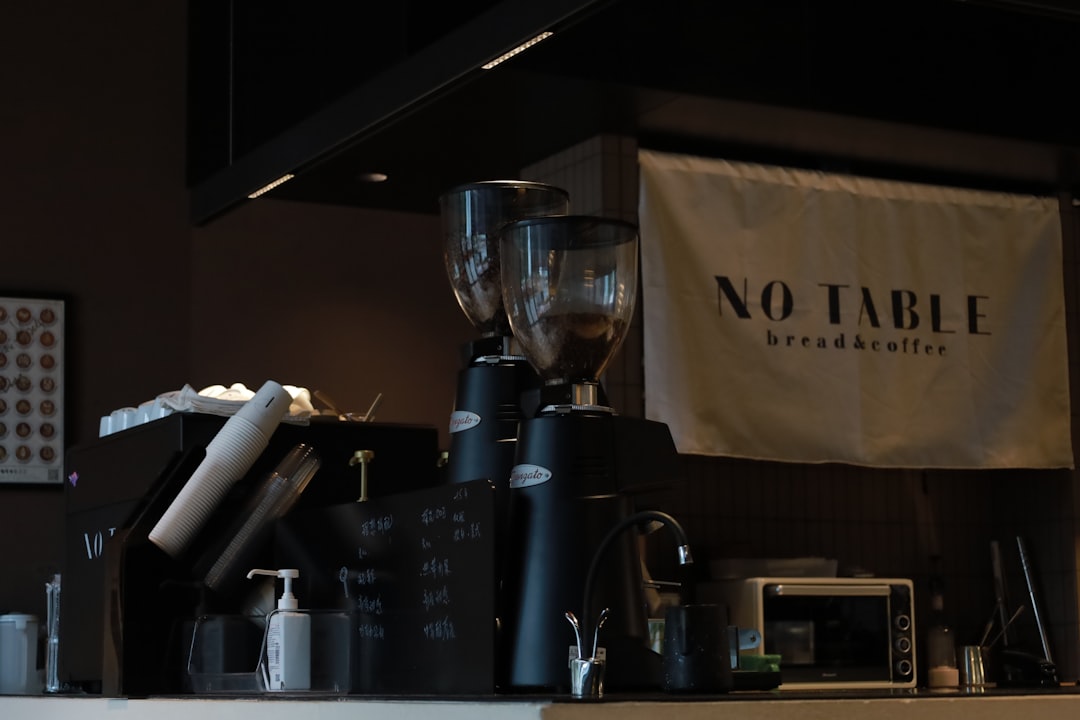
When your Thursday night plan is one person wants a fast espresso drink, another is waiting on hot chocolate, and no one wants to hear about another shopping detour, you learn that the machine choice is not just a product choice. It is a timing choice, a texture choice, and a cleanup choice at once.
The market is crowded with terms like milk frother, steamer, and milk warrior. Some products are good at one task and decent at another. Some can technically do both. What changes outcomes is not the label on the box, but how each unit behaves in your routine. If your home bar is small and guests come with different expectations, your priority is choosing by behavior, not by badge.
Why this topic is still worth a fresh guide
Recent posts have shown a strong demand for compact station flow and counter rhythm. That trend is real, and it is useful. The gap is that many readers still ask a more specific question after reading those guides: which machine can handle different drink profiles in real life? A lot of people are not buying to prove a point about owning premium gear. They are buying because they need dependable results. If one drink needs creamy foam and another needs gentle cocoa, that is a different buying problem than building a photo style setup.
What hot chocolate-capable means before you browse
For this guide, we only call a device hot chocolate-capable if it can do three practical things without causing stress. First, it should deliver warm milk or warm chocolate mix without scorching taste. Second, it should let you pause and restart without a sticky mess. Third, it should switch between tasks without requiring a full reset of cups, time, and attention. If a tool is too loud, too slow, or too hard to rinse, it may still make foam, but not for your use case.
Checklist one: temperature control quality
Most readers look at maximum temperature first and stop there. That is incomplete. What matters is the range and repeatability. For daily use, smooth hot cocoa benefits from gentle, predictable heat, while cappuccino style steam can tolerate faster temperature climbs when milk volume is lower. A machine with selectable settings helps you adapt. If a unit is too simple, you can still make drinks, but you may spend more time with trial and error than with serving. In a hosting moment, there is no audience for long experiments.
Checklist two: what volume actually works for your group
Read every description as if it were a promise to your evening routine. Many products advertise capacity as a headline number but do not explain practical batch rhythm. A single-cup morning drink is not the same as two after-dinner rounds. Ask a simple question before checkout: can this machine fill my real serving pattern and not leave half-cold milk or scorched foam on the rim. Bigger cups are not always better if they force over-whisking for every use.
Checklist three: cleanup path
Most hot drink disappointments happen after the first great drink. Not because the machine failed in performance, but because it became a sticky detour. If nozzles trap residue, if parts need disassembly into many small pieces, or if hot residue dries fast, your second or third drink changes shape badly. A product is only good for mixed routines if it is still fast to restore in the same night. The person washing dishes should not need a workshop mindset.
Checklist four: how it feels after standing still
Not all users notice this on day one. The difference appears around the second week. If a frother needs a warm-up ritual to sound normal, that is manageable. If it needs a reset and manual recalibration each time, that can break a habit. Look for a model that gives clear repeatability. Even slight inconsistencies become big when you alternate between cocoa and coffee drinks on the same day.
Frothers worth comparing
KIDISLE milk frother for flexible daily use
For readers who want one machine to cover warm milk, cold foam, and hot chocolate, the KIDISLE option can be a practical starting point. It offers multiple settings and temperature points, which matters when drink type changes during the same evening. The form is compact and straightforward enough for users who need a quick adjustment rather than a deep learning curve. If your routine is practical and often spontaneous, this multi mode profile can prevent repeated buying for separate tasks.
A practical way to review this model is to test two sessions. One with dairy or oat milk for cappuccino style foam. One with a cocoa mix for creamy heat. If both sessions are stable on your kitchen schedule, the unit is doing the kind of adaptation your routine needs. The catalog link is below if you want to review current listing details. See the KIDISLE milk frother and steamer on Amazon.
Large Electric Milk Frother and Steamer for repeat drinkers
Some routines need more room in the cup and a little more throughput. The large electric version with six functions can be better if you regularly serve two to three drinks from one cycle. The larger cup line helps with repeat rounds where a tiny unit forces many short cycles. That can be a blessing or a burden depending on counter space and noise tolerance.
Use this model when serving schedule matters more than storage simplicity. It is also realistic if you prefer dedicated cocoa volume and separate espresso milk texture in the same evening. Check the product page for live details before purchase, especially for current pricing and shipping notes, since storefront data changes by day. See the Large Electric Milk Frother and Steamer on Amazon.
Hotel Chocolat Velvetiser for chocolate first hosting
Not everyone needs a generalist tool. If your hot chocolate service is frequent and central to your home routine, a dedicated machine can simplify the process and reduce variable texture outcomes. A dedicated route removes decisions about milk temperature windows for espresso foam each time and puts more consistency into cocoa texture. This can be a better fit for hosts who want stable results over mixed gadget complexity.
Use this option when your weekly routine includes one to two planned hot chocolate moments and you do not need a single tool for all milk based drinks. It can be a reliable path for dessert-heavy evenings, especially when you want cocoa to stay smooth while guests pass the station. See the Hotel Chocolat Velvetiser on Amazon.
How to choose without buying twice
Start with three buckets. First, define your drink mix for a normal evening. Second, set a cleanup standard based on who is hosting and when. Third, select the highest comfort point between simplicity and control. That approach is more honest than chasing every spec on a listing.
If you alternate between dairy milk cappuccino and oat milk hot chocolate, you will likely value temperature control and recovery time more than the biggest cup size. If you serve many small drinks in a row, cup size and foam speed become more important. If you host events with short service windows, reliability and cleanup speed matter more than advanced settings.
Common mistakes to avoid
First mistake is expecting one frother spec to work for every milk source and every recipe. Oat milk can behave differently from dairy milk on foam rise and temperature response. Second is buying by feature tags only. If a title says multi mode, it still may run hot fast or leave too much residue for your style. Third is ignoring real listing details before deciding. Catalog records are useful for shortlisting, not for final confidence.
Fourth is buying without a cleanup test. Try a 10 minute rinse routine on day one and a second batch on day three. If residue starts to settle into hard-to-clean places, the product may not suit a mixed routine. This is not a technical fault. It is a workflow mismatch.
A simple decision map
If you want one tool for cocoa and coffee, check these outcomes: does it maintain comfort in texture, does it recover cleanly after each batch, and can you clear it in under five minutes without tools. If all three are yes, you are in safe territory. If one is no, move up one tier in feature set or switch to a dedicated cocoa machine for your main use case. That choice is less glamorous than it sounds, and often less expensive over time.
When a dedicated hot chocolate option comes first
Buy a dedicated hot chocolate option if your hosting rhythm is dessert heavy and your guests ask for consistency more than foam height. This is the scenario where focused heat control and stable cocoa texture matter. A generalist frother can still work, but a dedicated tool often lowers decision fatigue. There is no penalty for owning both roles if your counter can hold them.
If your home setup is small and you hate re-learning tools, a mixed use model can still win. But it needs stronger review in the first two sessions. The first session tells you comfort. The second session tells you reliability. If both pass, the tool is likely to stay on your shelf and less likely to join the pile of half used devices.
Buy with confidence, not guesswork
In the end, this is not about finding the loudest feature list. It is about stable settings, batch rhythm, and low fuss cleanup. If your plan includes both cappuccino and cocoa often, the right choice is whichever model fits your serving pace while staying simple to maintain. Review live product details before purchase, confirm availability, and check return and service terms on the active listing. If you do that, your next drink station decision will be practical, and less like buying a mystery gadget.