Chocolate And Fondue
Chocolate-Dipped Treats at Home: Pick a Melter for Your Batch Size
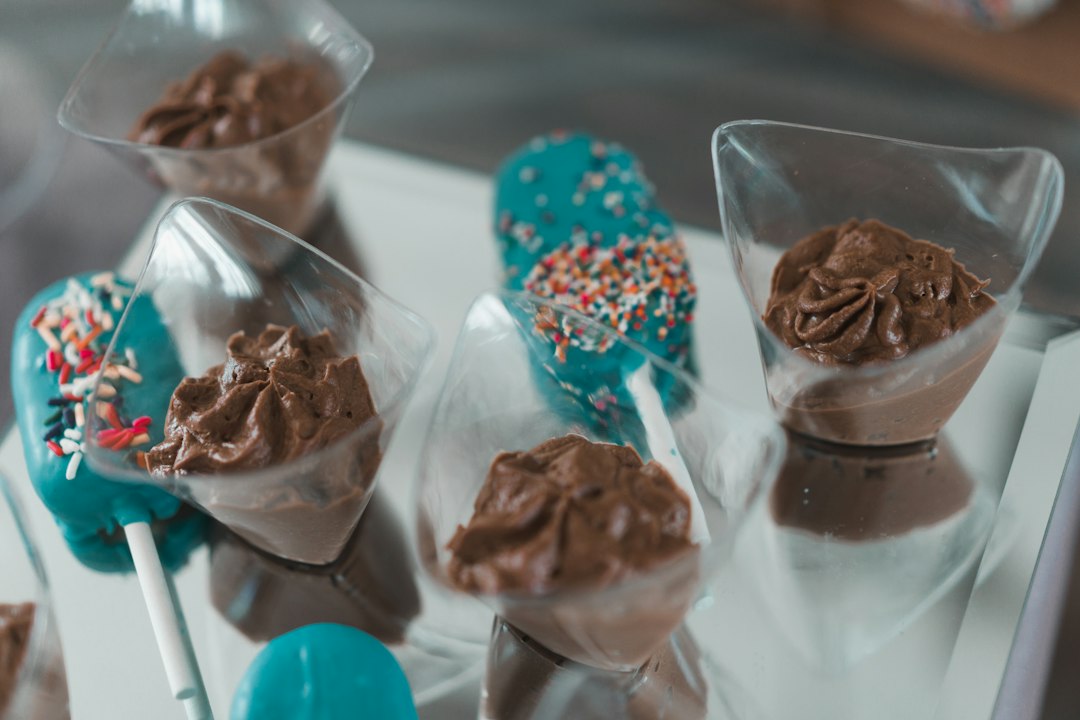
Making a few cake pops calls for a different setup than dipping a platter of strawberries. Compare small chocolate melters by batch size, pouring control, and how much counter space you want to give them.
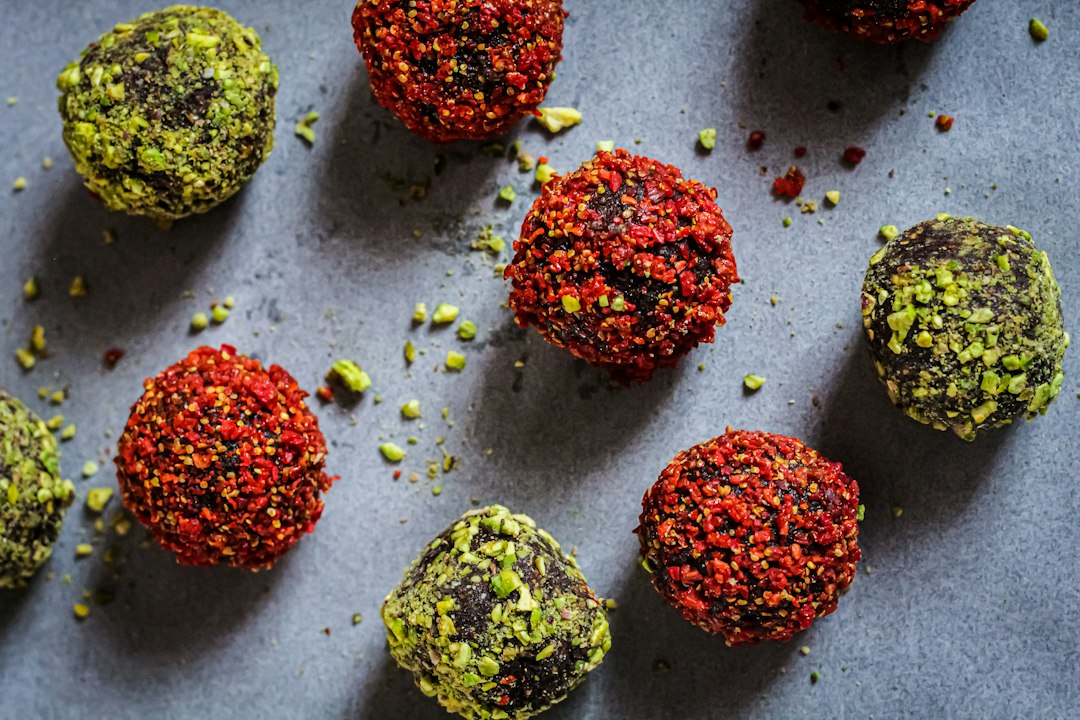
The strawberries are washed, the cake pops are ready, and the chocolate is still sitting in a bowl over a saucepan. That method works, but it asks you to keep an eye on a water bath while juggling dipping, decorating, and the occasional snack thief. A small electric chocolate melter can make a tidy dipping station. The trick is choosing a size that suits the treats you actually make, rather than the biggest pot that fits on the counter.
Start with the job, not the appliance
Think about a typical session. Are you coating a handful of strawberries after dinner, making cake pops for a school event, or setting out a tray of dipped pretzels for guests? Those jobs use chocolate at different speeds. A small batch may be easier to manage in a compact pot; a larger batch can mean fewer pauses to melt more. But extra capacity also takes up space and gives you more chocolate to handle at the end.
It helps to separate dipping from fondue. Fondue is a meal or dessert people gather around, often with a pot and forks at the table. Dipping treats is more of a kitchen project: you melt a batch, coat each piece, then let the treats set elsewhere. A dedicated fondue set may be more equipment than this job needs. Look for a melter designed for small batches, with a way to pour or drizzle neatly.
Match capacity to your usual batch
A one-cup melter makes sense when you want to decorate a modest number of cookies, cake pops, or strawberries. It uses less room and keeps the project from turning into a weekend-long chocolate operation. The tradeoff is simple: if you run out halfway through, you will need another round. That can be a nuisance when the treats are already lined up and everyone is waiting for the drizzle.
For a middle-sized batch, the Wilton Candy Melts Melting Pot is listed with a 2.5-cup capacity, two temperature settings, and easy-pour spouts. Those spouts are worth noticing if you plan to drizzle over pretzels or move melted coating into a piping bag. A four-cup option such as the LUSHYUM melter may suit a longer dipping session or several trays. Its listing describes two insert pots and a spatula. More room can be useful, though it does not automatically make the appliance the better fit for a one-tray project.
Capacity labels are a starting point, not a promise about how many treats you can finish. Treat size, how thickly you coat each piece, and the chocolate itself all change the amount you use. If you are unsure, choose for the batch you make most often and plan a second melt for the occasional bigger event. A little extra time is usually easier to manage than a bulky machine that lives on the counter all year.
Pay attention to pouring and holding
Chocolate dipping gets messy when the tool does not match the task. A spout can help you drizzle a thin line or pour without lifting a hot insert over the whole tray. A handle can make a small pot easier to move. If the machine has a separate warm setting, that may help keep the chocolate workable while you dip at a relaxed pace. Check the maker's instructions for how to switch between settings and whether stirring is needed; do not assume every model behaves the same way.
The one-cup Party Desserts melter in the Melt N Sip collection is described with a precision-pour nozzle, a heat-resistant handle, and melt and warm-hold settings. Those details point toward small decorating jobs. The Wilton's two temperature settings and pour spouts offer a different kind of control in a larger 2.5-cup pot. Compare the shape and controls against your counter and the way you work. A feature only earns its space when it solves a real annoyance.
Set up a calmer dipping session
Before turning anything on, make room for the coated treats to land. Line a tray with parchment or another surface recommended for the recipe, put toppings within reach, and keep a spoon or skewer nearby. Dry fruit thoroughly before dipping. Water and chocolate are a fussy pairing, and a damp strawberry can make the coating harder to handle. Keep the workspace dry, and follow the appliance instructions for filling and heating.
Work in small batches. Dip a few pieces, let the excess fall back into the pot, then move them to the tray. If you are adding sprinkles or chopped nuts, do it while the coating is still soft. For cake pops, a short pause after dipping can help excess chocolate drip away before you add decorations. This is not a race. The goal is a batch of treats you are happy to serve, not a countertop that looks like a cocoa crime scene.
- Choose a small melter for occasional, modest batches and easy storage.
- Look for a pour spout or nozzle if drizzling and transferring are part of the plan.
- Consider a larger insert only if you regularly dip enough treats to use it.
- Check the instruction manual for approved chocolate types, fill limits, heating, and cleaning.
Cleaning and storage matter too
Chocolate is easiest to deal with before it hardens into a souvenir. Let the appliance cool as directed, then follow its manual for removing the insert and cleaning each part. Do not assume an insert, base, or electrical component is dishwasher safe just because another model's is. Avoid pouring leftover chocolate down the sink. If it is still usable, transfer it to a suitable container according to food-safety guidance; otherwise let it set and discard it in a way that will not clog the drain.
Think about where the appliance will live between projects. A compact pot tucked into a cupboard may get used more often than a larger unit that has to be excavated from behind the mixer. If the cord, inserts, and spatula need separate storage, make sure there is a place for them too. Those small details are less charming than a strawberry with a perfect chocolate shell, but they decide whether the tool feels convenient next month.
Which size makes sense?
For occasional treats and small decorating jobs, a one-cup pot keeps the setup modest. For a few trays or a mix of drizzling and dipping, a 2.5-cup option with pour spouts may be a sensible middle ground. A four-cup melter makes more sense when you often work through larger batches and have room to store it. If your main plan is serving fondue at the table, compare a proper fondue set instead of asking a small candy melter to do a different job.
You can see the Party Desserts one-cup melter on Amazon, compare the Wilton 2.5-cup pot on Amazon, and check the LUSHYUM four-cup melter on Amazon. Before choosing, confirm the current product details, price, availability, care instructions, and return terms on the retailer page. Then pick the smallest setup that handles your usual batch without making the next round of dishes feel like the main event.