Coffee And Espresso
A cleaner way to serve espresso and hot cocoa from one counter without the late-night sink rush
A shared espresso and cocoa routine works when your tool choices support cleanup rhythm as much as drink style, so the counter keeps up with guests instead of slowing down near the end of the evening.
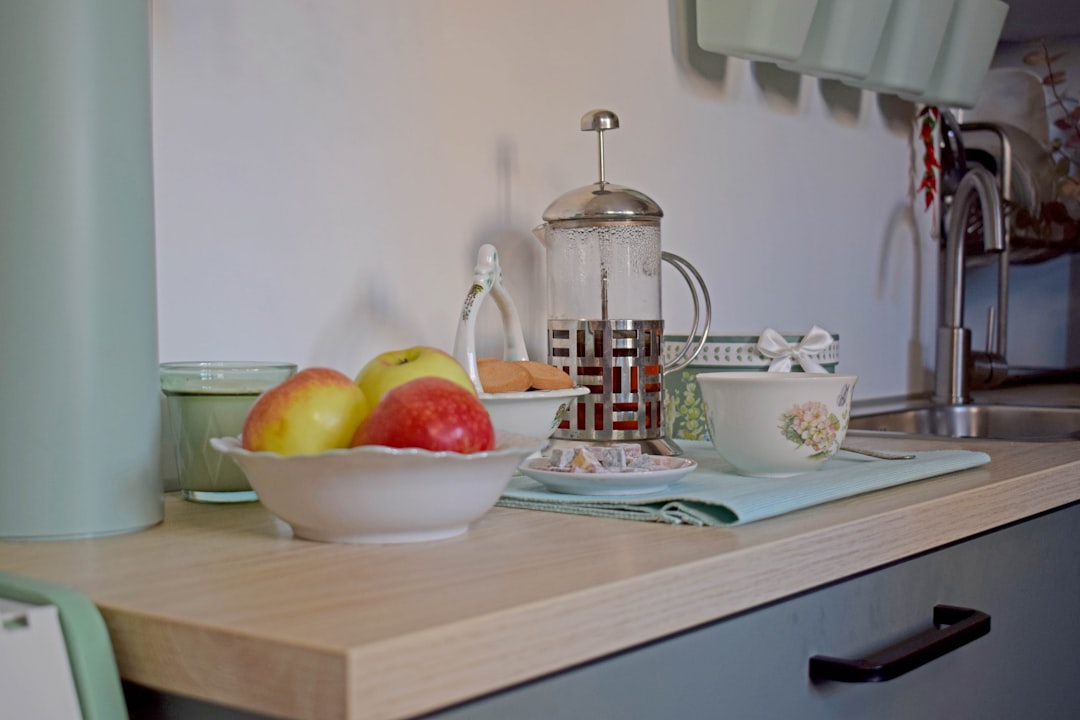
It is 7:20 p.m. on a house party night. The espresso is already pulled for one person, two mugs of hot cocoa are now on your mind, and the same kettle you used to get the last shot of steam is still open on the counter. You want to avoid another round of scrubbing, so you start asking one small question: what is the shortest way to keep both drinks moving without turning the last hour into dish duty?
Most kitchen plans fail at the same point. People pick a powerful kettle and a popular frother, then trust habit to keep everything straight. Habit breaks first when the room changes mood. The early guest asks for a clean coffee shot, then a late guest wants sweeter cocoa, and suddenly your counter is juggling warm milk, standing cups, and sticky residue. The solution is not another gadget. It is a sequence that keeps heat, milk, and cleanup in one predictable loop.
Choose a kettle strategy before you compare any specs
Your first decision is simple: pick one kettle workflow that fits both espresso top-ups and cocoa service. You do not need a kettle for one drink and another for a different routine unless your schedule is fixed to separate sessions. That usually means the same appliance handles fast hot water for coffee and a slower pour for cocoa. For many homes, the COSORI Electric Kettle with temperature presets works because it gives you flexibility without multiplying stations. Your goal is not to chase a feature list. It is to keep the kettle predictable so you can predict your sink load before it happens.
Now add one practical rule. Decide a top temperature habit once, and stick to it while guests are still arriving. Espresso drinks tolerate variation in temperature, but your rhythm does not. Cocoa is less sensitive to exact precision than guests are to delays. If both drinks are on your counter, your biggest lever is not hotter water every single time. It is deciding how often you will refill and when you switch from brew mode to service mode.
Pick one milk tool, then commit to one cleaning pattern
Espresso and cocoa both like warm milk behavior that is controlled, not dramatic. A milk tool that can move between quick foam and a simple steamer rhythm is usually easier than owning separate devices. One dependable pick is the Nespresso Aeroccino 3 Milk Frother, used without forcing it into roles it was never chosen for. You still get a reliable way to create foam, and you can keep one cup area dedicated to milk prep instead of creating a second cleaning area.
If you prefer one tool that also handles broader serving styles, the KIDISLE 4 in 1 milk steamer gives another route with detachable parts and hot plus cold modes. That can help if your evening cocoa becomes heavier or if you host guests who want both cappuccino foam and smoother cocoa, and you want to keep milk handling in one workflow. Either way, the same rule applies: whichever tool you pick must have a wash sequence you can remember while talking to people.
Run the counter on one timeline instead of two
Your counter works best when you stop treating espresso and cocoa as two separate jobs. Treat them as one service timeline with two end targets.
- Start every cycle with a clean, dry milk station and a filled kettle.
- Prepare the espresso or pour sequence first, then batch milk once for the remaining drinks you will serve before the next reset.
- Finish cocoa serving only after the current espresso cups are closed, then run one quick rinse and one full cleaning segment.
This timeline does two hidden things. First, it avoids the common trap of cleaning between every cup when the room is still active. Second, it creates a natural pause after cocoa where sticky cream, foam residue, and water spill cleanup happen together. You stay faster because the sink is no longer reacting to every drink. It is responding to a plan.
Build a simple cleanup rhythm around hard stops
The word cleanup sounds boring because it is. That does not mean it is optional. A short cleanup rhythm prevents flavor drift and keeps your counter useable at midnight. Use a hard stop before your guests ask for a second refill wave.
- After one coffee pass and one cocoa pass, discard used cups and wipe the milk nozzle area.
- Empty milk residue into the rinse cup, then flush with a small amount of warm water.
- Wipe the kettle lid and switch area, then cover the tool until service resumes.
- Reassess whether you still need both tools on the front edge of the counter.
If those four steps run in under seven minutes, you are within a good rhythm. If they cross ten minutes, ask where the delay came from. Most delays come from two spots: tools left half clean, and a visual cue in the sink that says you are done but are not actually done. A visual cue can be as simple as one dry cloth zone and one wet cloth zone, both within arm length. That tiny change reduces the feeling of chaos more than any gadget feature.
Use guest behavior as your real guide, not a chart
Before you commit to buying, ask your routine three practical questions. If the answer is often no, you may be forcing the wrong setup.
- Do guests ask for one drink style first and another only after fifteen minutes?
- Do you have enough counter width to keep kettle, cups, and milk tools in one line?
- Will you still be comfortable cleaning the same tools for three more drinks without adding stress?
If your routine says yes to all three, the espresso and cocoa combo setup works. If the answer is no, do not stretch for a perfect one-counter system. A larger flow that uses timing windows can be less stressful and less costly than forcing one tool order onto every evening.
How to test your decision in one weekend
Make a tiny rehearsal on Friday night before your real hosting run. Mark down three times: first espresso pull, first cocoa pour, and first cleaning reset. You are not testing taste alone. You are testing whether the sequence is memorable. If you need reminders, your setup is still too busy for your normal pace. Put one note by the kettle, or simplify to fewer cups of milk before reset. Guests will not notice the simplification. They will notice if the host is not rushed and the tools stay available.
When this approach is the wrong fit
There are times when one-kettle, one-milk-tool flow is not the right answer. Skip this route if you serve very large groups, if your room expects full latte art precision all evening, or if you need to store and reheat milk multiple times across a long window. In those moments, the cleanest path is to separate service stages and give each drink class its own lane. That is still a valid choice. The point is to keep quality high and avoid the hidden stress that comes from pretending one setup can carry every load forever.
Final practical check before you buy
None of this advice replaces the live product details. Prices, stock status, and shipping can change while you are reading this. Verify details on the live Amazon product pages and follow the links here before you decide: COSORI Electric Kettle with temperature presets, Nespresso Aeroccino 3 Milk Frother, and KIDISLE 4 in 1 milk steamer. It keeps the article useful for your setup, and it keeps the reader from feeling tricked by stale details.
At the end, a calm counter is not a luxury. It is a timing choice. Pick tools that support your sequence, keep your cleanup honest, and let the room run. The less you improvise while cups are still warm, the better your evening will end.