Coffee And Espresso
Make a Better Home Latte With the Coffee You Already Brew
A satisfying latte does not require a new espresso machine. Start with the coffee you already make, then decide whether milk texture, temperature, or convenience is worth changing.
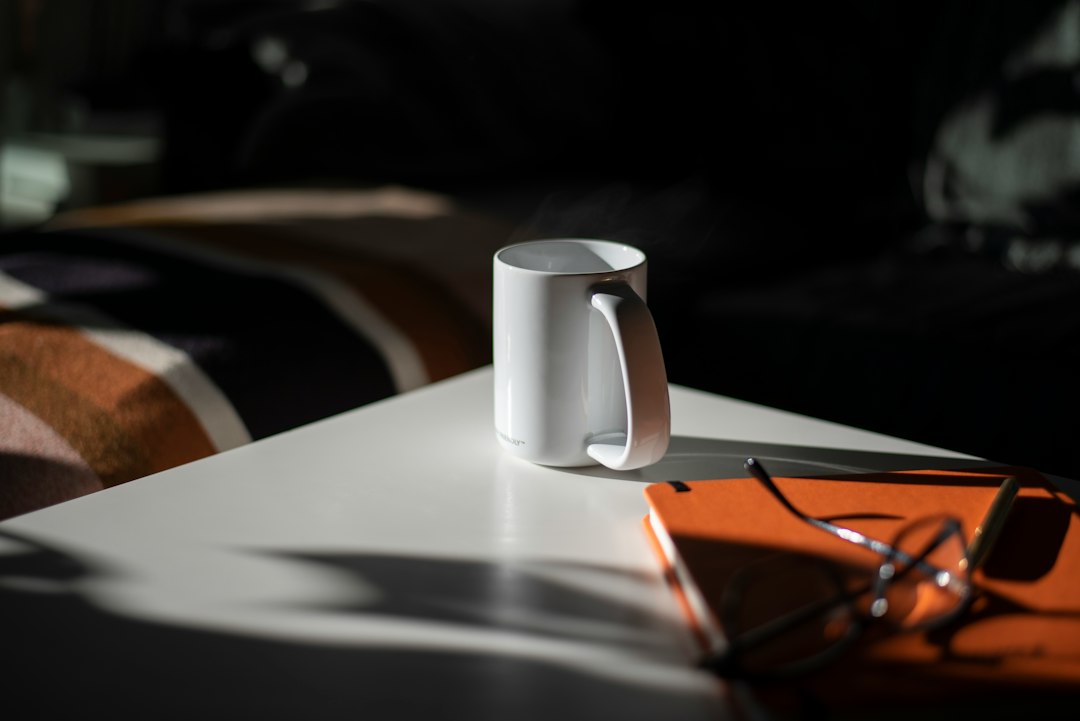
It is 8:10 on a weekday. The coffee is ready, the mug is warm, and the café latte you had in mind is still several steps away. Before shopping for an espresso machine, take a look at the coffee maker already on your counter. A latte-style drink at home is mostly a question of how strong you want the coffee, how much milk you like, and whether you want foam.
Start with the coffee, not the gadget
A traditional latte is built around espresso and steamed milk, usually with a modest cap of foam. At home, people often make a latte-style drink with a concentrated coffee from an espresso machine or moka pot, or use a smaller serving of drip coffee. Those are different brewing methods, so the result will not taste identical. That is fine. The useful question is whether your coffee has enough body to hold its place once you add milk.
If the drink tastes more like warm milk than coffee, use a stronger brew or pour a smaller amount of milk. If it tastes sharp or overly intense, add milk gradually rather than filling the mug all at once. You can adjust the next cup without changing your whole setup. A small mug makes these experiments easier; a giant travel tumbler can hide the coffee under a dairy landslide.
Pick a milk texture you actually enjoy
Foam changes the feel of a drink as much as its appearance. Light foam gives a cappuccino-like lift, while warm milk with little foam makes a smoother, quieter cup. Cold foam suits iced coffee, but it is a separate texture from warm foam. None is automatically better. Think about whether you want a spoonable top, a silky pour, or simply warm milk stirred into coffee.
A handheld whisk or jar can be enough if you only make an occasional cup and do not mind a little manual effort. An electric frother is more appealing when you make drinks often, want warm milk and foam from the same appliance, or would rather press a button than work a whisk before breakfast. A machine also takes counter or cupboard space and gives you another item to wash. If you rarely use foam, that trade is easy to decline.
For someone comparing a multi-function option, the KIDISLE milk frother and steamer on Amazon lists hot thick foam, hot thin foam, cold foam, and steamed milk among its functions, plus four temperature settings. That range may suit a household that switches between hot and iced drinks. If you mainly want a single warm splash in coffee, those extra modes may add little for you. Check the current listing for capacity, cleaning instructions, dimensions, and return details before deciding; product details and availability can change.
Make the cup in a useful order
Pour the coffee first, then add warm milk in small amounts and taste as you go. If you want foam, spoon or pour it over the top at the end. This keeps you from making a full mug of milk and discovering that your coffee has disappeared. For iced coffee, chill the coffee before adding cold milk or foam. Hot coffee poured over ice can dilute quickly, so start with stronger coffee or use coffee ice cubes if you already have them ready.
Keep the first test simple: use the same coffee, mug, and milk, then change one thing on the next cup. Try more coffee before buying a stronger machine. Try less milk before deciding your beans are the problem. If the milk is doing most of the work, make a second cup with a smaller pour and compare. Your own preference is a better guide than a photo of a very tall foam cap.
Choose a frother by the routine it needs to handle
Capacity matters when the appliance will serve more than one person. Check the maker's separate limits for heating milk and creating foam, since those amounts can differ. A vessel that can warm a larger quantity may have a lower fill line for frothing. Follow the markings in the manual rather than guessing; overflowing milk is a fast way to turn a calm morning into a sticky one.
Also look at what comes apart for cleaning, whether the inside surface needs hand washing, and how much space the appliance takes with its base and cord. If you make one cup at a time, a compact tool that rinses easily may suit you better than a larger pitcher. If two people want drinks together, a larger capacity can help, but only if the device's stated foam limit covers the servings you actually make.
Milk choice affects the result too. Dairy and plant-based drinks can foam differently, and even two cartons from the same broad category may behave differently. Use a carton labeled for barista use if you want to try one designed for coffee, but treat it as an experiment rather than a guarantee. Start with cold milk, stay below the fill line, and follow the frother maker's directions. If one brand produces disappointing foam, it does not prove the appliance is faulty.
Keep the routine pleasant after the last sip
Milk residue is much easier to deal with before it dries. Empty the frother promptly, clean it the way its manual allows, and avoid immersing electrical parts unless the instructions say they are safe to submerge. Wipe the outside and let washable pieces dry fully before putting them away. A tool that takes longer to clean than to use may not earn a regular spot in your morning routine.
For milk left out during a gathering, follow current food-safety guidance rather than relying on smell. FoodSafety.gov advises refrigerating perishable foods within two hours. Keep unopened and leftover milk refrigerated according to its package directions, and return it to the fridge when you finish serving.
When a new machine makes sense
Consider a dedicated espresso machine only if espresso itself is what you want to make often, and you are comfortable with the extra steps of dialing in coffee, preparing the machine, and cleaning it. If your main goal is a warmer, foamier version of the coffee you already enjoy, try a stronger brew and a simple milk tool first. If you keep making the same drink and wish the milk were more consistent or easier to prepare, an electric frother may be a sensible next purchase.
The best home latte setup is the one you will use on an ordinary Tuesday, not only when you have time to arrange a perfect countertop photo. Start with your usual coffee, adjust the milk to taste, and add equipment only when you can name the job it will do. Before ordering, check the retailer page for live specifications, price, availability, care instructions, and returns.