Chocolate And Fondue
A compact chocolate station that keeps guests moving and cleanup calm
For cozy nights with cocoa and chocolate dips, a small counter can still feel calm when heat, flow, and cleanup are planned around how people actually drink and serve.
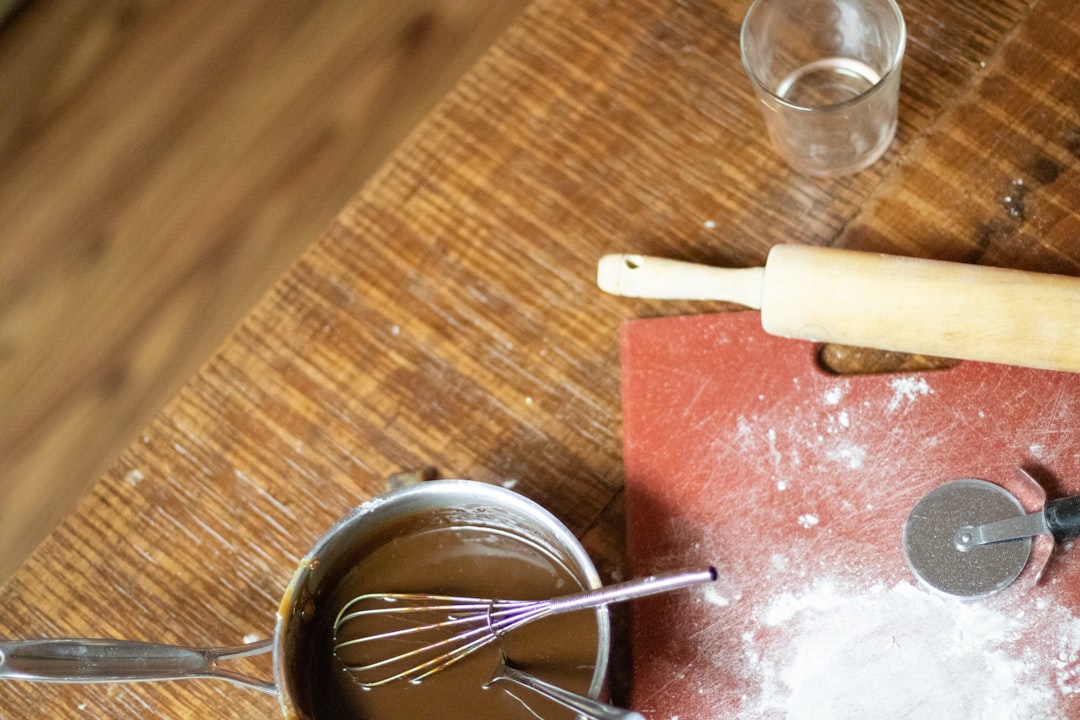
At 7:15 p.m. on a damp Tuesday, your counter is already full: one bowl of roasted almonds, a half-cut cake, and three people asking, "Are we ready yet?" Most people start the night by hunting for one more tool to make things faster. Usually what happens next is slower. A chocolate pot cools, another pot waits to be cleaned, and the same two spoons are trying to do two jobs at once.
This is where most chocolate serving plans fail. We plan for recipes, not movement. We buy based on what sounds good on paper, not on how guests move through a room. The counter gets crowded at exactly the wrong moment, and then cleanup becomes the job no one can focus on.
If you can only keep two tools within comfortable arm reach, your station should feel like a short route, not a maze. The goal is straightforward: one heat source for melts, one setup for pouring and serving, and one clear reset point. When you map that route first, the gear almost picks itself.
If you have seen this scene recently, this guide is for a different kind of setup. Instead of another one-counter espresso or tea flow, we will build a small-space chocolate hosting flow where service and snack pacing feel controlled even when guests are chatting and moving.
Build the routine before you buy gear
Ask two practical questions before touching a shopping cart:
1) Which two formats of chocolate will be served? If your plan includes both drinkable cocoa and dipping, you need two tools with different heat behavior. A melter that stays gentle is better for dipping pieces, while a dedicated cocoa routine often needs a larger, stable warm drink cadence.
2) How long will guests serve themselves? A five-minute pour only matters when guests linger longer than 10 minutes. In a longer stretch, you need a rhythm that does not drift as temperature, steam, and crumbs increase.
That routine leads to A reliable shopping rule: choose one melter for dipping consistency, one pot for social-table serving, and one optional helper for richer cocoa moments. You avoid tool drift when each piece has one job.
Tool 1: A melter that accepts dips as first-class use
The first candidate is the LUSHYUM chocolate melter. Its compact setup and insert style can support fruit, cake pops, and bite-sized sweets without turning one pot into a fire-and-forget station.
What makes it useful in a small station is not raw power. It is control in a busy flow. You can start the melter, place one batch, serve while it stays presentable, then pause and dip in short rounds. For a table of six, that rhythm matters more than maximum wattage. Guests who keep moving like to have a clean handoff: dip, return, and refill without waiting for a full reset.
Use this tool only for one purpose: dipping and short plating. If you treat it like a general beverage heater too early, you will force a second transfer and the whole point is lost. Keep the flow simple, keep the station clean, and keep your pace predictable.
Tool 2: A fondue pot built for shared rounds
The second anchor for this setup is the Cuisinart fondue pot. Shared rounds are social by design. The challenge is always the same: the first round feels easy, the second round asks for more, and the third round gets messy.
In a compact counter, this is where a sturdy pot and visible serving rhythm help. Put three serving bowls on one side, fork tray in the center, and wipes or napkins on the edge. People see where to stand, where to return, and what to do next. That one layout can reduce spill confusion more than adding a fourth gadget.
Because fondue is naturally slow, place your main serving zone away from your clean-zones: forks and napkins at one end, melted bowls at the other. That way, people can leave with plates while you keep heat and serving tools under control. The pot becomes an event driver instead of a cleanup anchor.
Tool 3: A cocoa-focused helper when crowd size grows
The Hotel Chocolat Velvetiser is best used as a focused cocoa builder, not a universal station replacement. Think of it as your dessert anchor, not your entire drink map.
Where it works best is when guests arrive in small bursts and want a few signature-style cups. You can preheat and serve in sequence, while the melter and fondue setup handle variety. This reduces overlap. It also helps during conversation-heavy nights, where a single person can pour cocoa without the rest of the station waiting.
That split between dipping and drink flow is especially useful when your counter is under 6 feet wide. You get one consistent cocoa style and one consistent dipping style. Both are repeatable, and repeatability is where stress drops at 8 p.m. and beyond.
How to avoid the common chaos points
Most counter breakdowns come from the same weak points:
One tool, one role. Decide early if a tool is for dipping, pouring, or topping. If a single device does all three, your station will feel improvised after the first 20 minutes.
One heat, one refill habit. Keep a strict rhythm for when you add chocolate pieces or cocoa mix. Too many partial refills create a hot surface that cools unpredictably and makes consistency inconsistent.
One reset path. Assign one person the job of edge cleanup and one person the job of serving. If both switch roles mid-hour, surfaces degrade, and everyone notices the delay.
Put a tiny sign in your own mind: dip first, pour second, reset third. It sounds obvious because it is. The benefit is huge in small spaces.
Guest flow by party size
Four guests: keep one dipping lane and one drink lane. Set one napkin station near the entrance and one rinse zone near the sink. The host stays in one place, moves only for top-ups, and guests feel the flow is natural.
Six to eight guests: add one temporary holding tray and label serving order with easy-to-see visual cues, like cup stacks and a separate empty-forks basket. This is where the fondue setup shines if you reserve the wider side of the counter for returning tools.
Over eight guests: you are now running more like a station than a casual table. Cut the setup down to essentials: one melter, one fondue pot, and one cocoa brewer. Skip any second dipping pot or second pot of cream. Simplicity prevents bottlenecks.
What to buy first when you are on a budget
Start with the melter and fondue pair. Add the cocoa unit only if your invite list has a real repeat demand for warm drink rituals. This order keeps the spend practical and the counter coherent.
If your guests are mostly arriving and leaving, prioritize speed and cleanup over complexity. If your gathering is more seated and social, prioritize visual consistency and portion size. You do not need the same setup for both styles.
30-minute prep plan you can run tonight
10 minutes: clear the counter into three zones and line one tray with paper towels.
10 minutes: preheat melter and fondue, then set up serving bowls and skewers only once.
5 minutes: open the cocoa workflow, place cocoa cups, and set one measuring cup for toppings.
5 minutes: run one test pour or dip cycle, then pause and reset tools before guests arrive.
This short plan works because it avoids trying to perfect everything live. You are not hosting a kitchen operation test; you are creating a reliable serving path.
Final check before the first cup arrives
Check for three signs that you are still overbuilt: one zone blocked by unused jars, repeated stop-and-start refills, and any repeated dipping with no clear return path for utensils. Fix these and pause. The counter will look the same, but it will run better.
If you want this setup to stay reliable, do one thing at the end of each event: note which tool moved out of place first and which tool caused the last cleanup delay. Next time, rotate only that one workflow, not the whole routine. Your station gets calmer over time without forcing a full redo.
For cold evenings and big groups, this style of compact chocolate hosting can feel almost effortless once the three-tool rhythm is in place. You do not need novelty tools. You need a reliable path, two service zones, and a steady refill rule everyone can follow.