Dessert Makers
A Dessert Counter Game Plan That Keeps Hot Chocolate Serving Smooth on Small-Space Counters
A small counter can still run smooth dessert service if you lock in one serving rhythm, control dairy timing, and clean as you go instead of waiting for cleanup chaos.
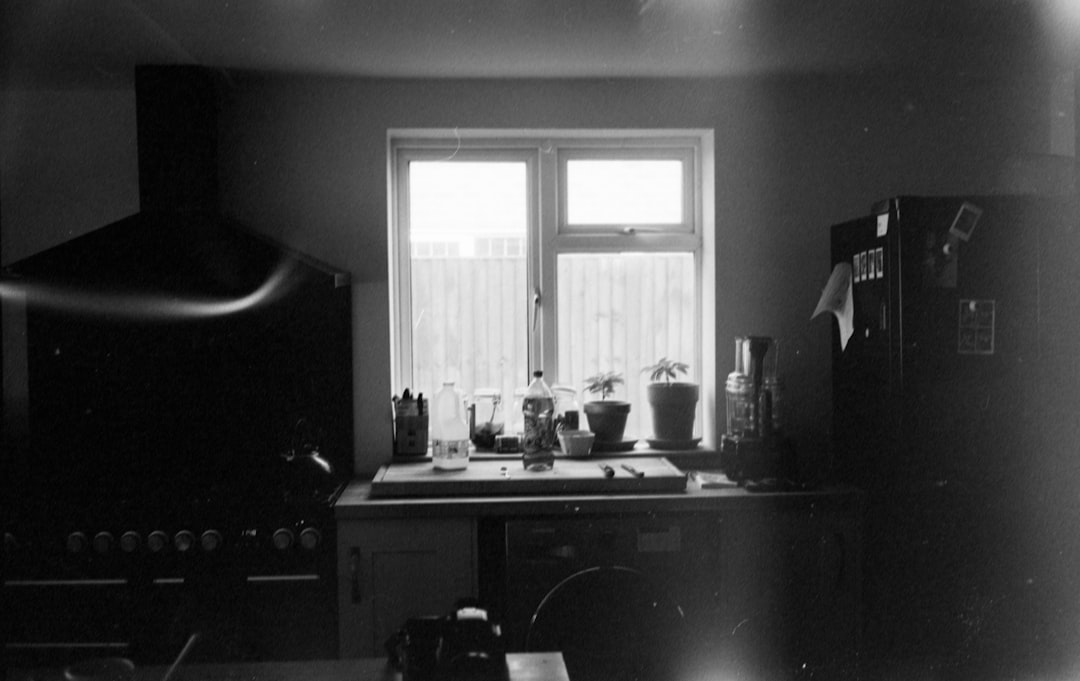
At 6:45 p.m., the first tray of cinnamon cookies has already left the oven, the second tray is cooling, and two people have asked, "Can I get hot chocolate first?" Then someone else asks for oat milk in theirs. If your counter is calm at that moment, good planning did the work while you were still wiping a bowl.
Most dessert hosting issues on a small counter are not caused by the wrong gear. They are caused by missing rhythm. You run out of surface, you move one thing at a time, and suddenly you are carrying two hot beverages in one hand, a dipping spoon in the other, and a pan of whipped cream that has no place to rest.
That usually happens because the order of operations is fuzzy. The fix is less about buying more gadgets and more about deciding what each item on the counter is supposed to do, in what order, and for how long.
Borrow a simple clock model
A dessert counter that performs well uses four moments, not one giant setup: prep, hold, serve, and reset.
- Prep is where you batch and measure everything in advance.
- Hold is where heat, foam, and temperature stay steady without constant stirring.
- Serve is where guests move fast and guests see everything.
- Reset is where you decide when to stop and what to clean next.
When these moments are clear, your counter gets easier to manage. You do not panic, and you stop explaining things mid-stream.
Select one anchor tool, then a helper
For a small apartment or compact kitchen, two tools beat six. Your goal is not to own a full bar station. Your goal is a counter that can move from first pour to final wipe every 10 to 15 minutes.
One strong approach is a hot chocolate machine for consistency and a milk machine for finishing texture. The Hotel Chocolat Velvetiser on Amazon can do reliable hot chocolate in steady batches, and it keeps the workflow simple. For richer foam and controlled milk options, the KIDISLE Milk Frother and Steamer on Amazon gives you a second lever when you need warm or cold foam in different textures.
If you prefer a lower-profile tool, the Large Electric Milk Frother and Steamer on Amazon can also work for both latte style milk and cocoa builds, with a decent capacity for 2 to 3 servings in one round.
Do not buy with one rule in mind: "I might need this one day." Buy only if the item lowers one of these pains. Either it shortens your active service time, protects texture consistency, or reduces cleanup steps after guests leave.
Pre-serve planning you can do in 25 minutes
Before the first guest opens a door, divide your counter into three invisible zones:
- Hot zone: machine, spoon, and one serving pitcher only.
- Dry zone: napkins, stir sticks, marshmallow packets, and bowls.
- Recovery zone: a sink side and a tray for used cups and used cloths.
That zoning sounds obvious, but guests and hosts often forget to enforce it. If a bowl of toppings sits in the hot zone, you interrupt the rhythm with extra scraping and stirring while the cup queue grows.
Temperature is your invisible host
For hot chocolate and dessert dips, people do not care about a perfect thermometer graph. They care that the drink is warm, smooth, and not scalding enough to pause conversation. Keep one simple standard: each refresh cycle should keep every drink under your control window for the first three minutes after transfer.
In practical terms, make your cocoa syrup before people gather. Do not open a new pan every request. Keep the main chocolate volume in one container and refill every few pours. If the chocolate looks dull or grainy, take a short break and blend that round before serving the next cup. Tiny adjustments work better than big resets.
Milk texture needs equal attention. Keep your milk volume in one line so you are not guessing for every cup. If you use a frother and it can only hold 250 ml for peak foam, pre-portion milk before service. This prevents running out right when a dessert wave arrives.
Use a service script, not a stress script
Your guests do not need your inner monologue. They need clarity. Build a simple internal script and stick to it:
- Ask each guest for temperature preference before filling.
- Offer toppings once, not repeatedly. If more is needed, go once to topping station.
- Call out dairy type in one calm phrase: "regular, oat, or extra hot."
- Stir once every round, then reset your cups in a batch.
That script removes a lot of repeated tiny decisions. The counter feels smaller than it is when your verbal routine is repeatable.
Plan food safety without sounding preachy
Most food-safety breaks on dessert counters happen because dairy sits in the danger range too long. Keep a simple policy you can follow:
- When milk mixtures cool toward room temperature, transfer leftovers to a shallow container if you can serve them within a short window.
- If containers sit too long, move the next batch forward in smaller quantities.
- If a bowl has been out for a while and temperature confidence dropped, make a fresh portion rather than trying to revive it.
I like this rule: do not judge a batch by flavor alone. Judge it by handling time and how long it has been out. Smooth chocolate is less useful if it sits too long and loses its feel.
Built-in cleanup so your host does not disappear
Cleaning is not a post-party chore if you stage it as part of the flow. During the first 15 minutes of guest downtime, rinse foam components, wipe steam spillage, and clear the topping zone. During the last 10 minutes, run a deeper rinse through the milk path and line up everything that still needs a wash.
People who host often underestimate this part. They finish serving and then discover three sticky devices, two sticky spoons, and a counter that needs to be prepped for morning. A clean reset rhythm prevents this cliff.
A practical dessert counter recipe for one evening
Here is one simple flow that works for eight to twelve people when you want chocolate, tea, and cake on a compact setup.
- Set your station zones and premeasure cocoa and sugar cups.
- Preheat the chocolate appliance and run one test pour before your guests arrive.
- Pre-foam milk in one pass for the first round.
- Start serve queue with two standard-size cups and no toppings until the flow is stable.
- Use topping refills as a cue for one wipe-down pass.
- Finish with a final batch to clear every pot before moving to reset.
This flow keeps pace realistic for people who are doing most of the work themselves. It is less exciting than a professional catering setup, and more useful for real homes.
"A calm counter is built before the first cup is poured. You design the rhythm, then people create the fun."
When to skip the setup entirely
There are evenings when this is too much effort. If you are hosting mostly straight coffee and no dessert, a simpler machine strategy may work better. If everyone arrives at once and leaves quickly, pre-portioned cocoa in a carafe is enough. If you host weekly events and want more flexibility, then a dedicated dessert station is a stronger long-term move.
Small spaces are excellent for building habits. The less space you have, the more clearly you see what your process is missing. Once you adopt a clock, a zone map, and a reset minute, dessert counter hosting becomes repeatable instead of random.
Last practical notes before your next invite
Whichever appliance you buy, check product instructions for cleaning attachments and cup size limits. Confirm the live Amazon page for current availability, return timing, and price before you buy. This is especially important for electric appliances and milk tools that may change quietly from batch to batch.
The point of this approach is not perfect gadgets. It is this: make the path from pan to cup short, make service predictable, and leave the kitchen in a state where you can sit down after guests leave.