Drink Stations
A drink station flow for late-night cocoa that still serves tea without a reset meltdown
When the last dessert has gone out and the room asks for two more kinds of drinks, a compact counter can still stay calm. This flow keeps cocoa and tea moving with fewer bottle-necks, cleaner handoffs, and less panic when guests keep arriving.
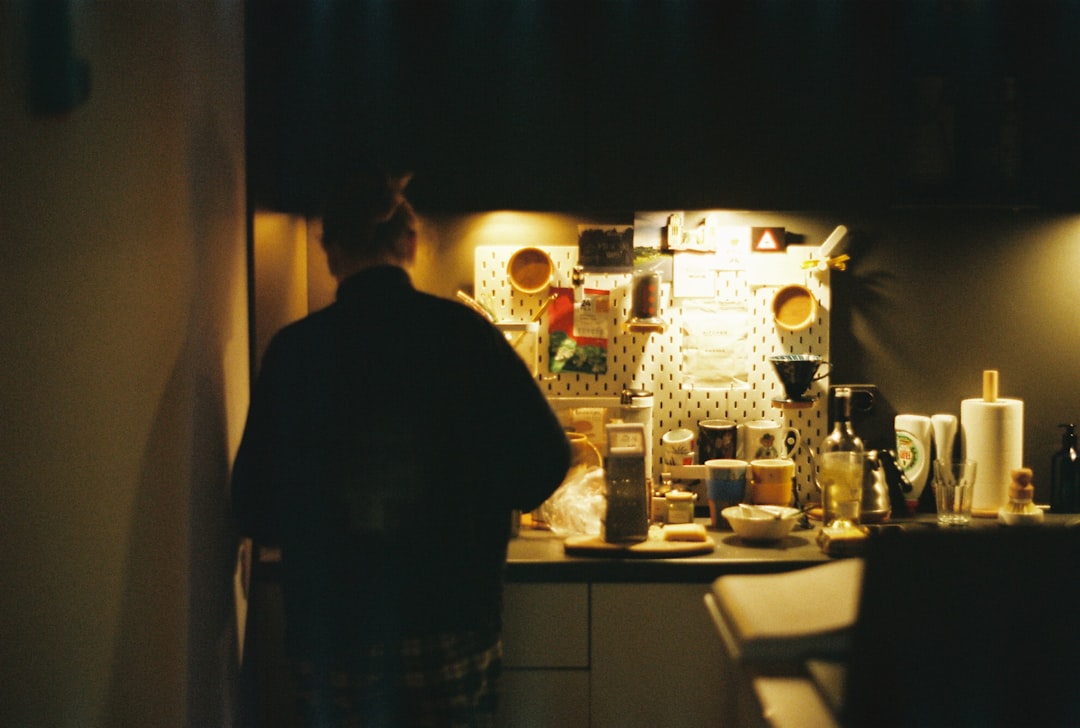
At 9:10 p.m. your serving counter has one hot pan, one kettle, and one small milk wand within arm's reach. The first three cups are smooth. The fourth takes longer. By the sixth, everyone is waiting and the line feels longer than it used to be.
I started with the wrong question in those moments. I thought I needed one more gadget. The counter did not fail because it lacked tools. It failed because it lacked an order. A station without a sequence is like a playlist without a first song. People can still enjoy it, but eventually the vibe breaks.
Pick the serving rhythm before picking a new product
For one-counter evenings, the tool decisions should follow a pace plan. You want two things: clear temperature control and less movement between prep, foam, and serving points. If your counter feels busy, decide in advance how guests will arrive and where each step fits.
Use a simple wave plan. First wave: warm core drink, second wave: cocoa top-ups, third wave: tea transition. That sounds obvious, but most counters fail because everyone makes tea while cocoa milk is still cooling, then the milk wand gets moved twice and the same wand is trying to cover both jobs in one minute.
Set the first wave target before you start boiling. If your host window is late evening, usually the first 20 minutes are for the quickest asks: hot chocolate, black tea, maybe cocoa with extra milk. The second wave is your refill window, where you stabilize milk texture and water temp habits. The final wave is handoff cleanup, where you leave the station serviceable for slow finishers.
Build three lanes on one counter
Any one-counter setup feels cleaner when it behaves like three lanes stacked along one path. I keep them as:
Lane 1: water and heat. Your kettle and any hot water source should stay in one place, with cup staging space within one arm reach. You are not juggling multiple heat tools at once; you are reducing context switches.
Lane 2: milk and foam. Put the milk tool in a dedicated corner with a small, stable cup of premeasured milk already covered. Keep mixing utensils and extra sugar sachets out of this lane until after serving.
Lane 3: service and rinse. Build your final assembly area with two clean cups at a time, plus a rinsed rinse cup and cloth for steam cleanup. If your lane only has one station, guests will queue less because the handoff feels predictable.
It sounds mechanical, but this layout matters because your brain works faster when your hands can follow a loop. You are not asking muscles to solve sequencing puzzles at the same time they are trying to host.
Choose one tool lane and use it for both flavors
This is not about owning every possible style. It is about picking one milk prep lane that can do both cocoa and tea-ready milk. A two-purpose tool can keep this setup calm if you run a clean routine around it.
The KIDISLE Milk Frother and Steamer is useful here because it can shift from warm milk texture work to quick foam updates without requiring extra attachments. For an evening flow, that means less table space taken by extra jars, and less reset motion after each refill.
If you host wider groups or want larger batch consistency, compare with the SugarWhisk 29 Oz Hot Chocolate Maker. The larger capacity helps when the second wave stretches past expected count. It is especially practical if your cocoa mix is made in one pot and then ladled for topping consistency.
If your rhythm is still learning phase, the Large Electric Milk Frother and Steamer is often the easier stepping stone. A smaller footprint and straightforward control panel can reduce mistakes at 10 p.m. when focus is already thin.
Do not treat these tools as separate departments. Treat them as options in one sequence: prep, pour, top, reset. That is the only logic that keeps a late-night station usable.
Run by sequence, not by device
Try this practical sequence and repeat it every night until your body remembers it without thinking. The first stage is quick prep before the first guest arrives. Measure milk and water portions ahead. Place two stir tools: one for cocoa, one for tea additions. You do not need ten things ready, only enough to stay inside your speed envelope.
Next, lock the temperature path. Water for cocoa has a comfort range you want, tea has another pace and another volume behavior. Keep those in a note card near the counter. You will make fewer decisions in flight, and you will make fewer awkward pauses.
\p>After each serve, do a 20 second clear action: wipe the wand head, rinse the tip, and return the tool to the lane. You are not trying to deep clean then. You are trying to stay serviceable.If a guest asks for an extra milk-heavy drink at once, it is tempting to pause tea lane and run a long cocoa loop. A faster alternative is to finish the tea lane with plain steeped tea while cocoa sits briefly at hold, then return to cocoa. This keeps order of arrivals stable and avoids the common bottleneck where all tools move to one drink only.
A practical 45 minute late-evening template
Minute 0 to 10: station map, pre-portions, rinse cup ready, two cups warmed if needed.
Minute 10 to 20: serve opening wave with focused attention on sequence speed and lane order. Do not switch to cleanup early.
Minute 20 to 35: refill and balance phase. Most counters fail here because hosts clean between each drink as they go. Limit cleanup to the lane edge, not full station resets.
Minute 35 to 45: tea finish and station drift. Set serving pace for those who ask for extra time, keep heat tools in lane, and finish with a short reset pass.
The point of this template is not rigidity. It is a guardrail. A host can adjust servings and toppings without changing the lane order.
Common mistakes that quietly destroy flow
First is over-preparing at the wrong spot. If everything is staged for a different expected guest count, the station becomes a staging area for fear. Keep optional ingredients off the main lane. Bring them out only when needed.
Second is double handling. If a milk wand is moved to wipe the counter then moved back to the edge, you pay that cost every round. Create one wipe spot and one rinse spot so your tool always returns to the same place.
Third is mixed priorities. Once tea is in motion, do not restart the cocoa lane. Let each lane keep moving in its own queue for ten minutes. Guests usually do not mind one minute of slower topping if every drink is still moving.
Fourth is pretending every drink has equal prep weight. Most evenings have one anchor drink and two support drinks. Call that out in your own head as you host, then keep your steam and pours concentrated accordingly.
How to decide if one lane is enough
If your plan has more than six to eight late-night refills every ten minutes, a second lane can feel calmer than a polished single-lane routine. On very crowded nights, your helper threshold is usually when cleaning starts taking over serving. If the same person is stirring, steaming, and cleaning three steps ahead, add a second lane or a second host.
When groups are smaller and the menu is steady, a single lane with a strong sequence performs better. You avoid the social overhead of passing tools, and your counter looks calmer instead of crowded. Calm counters make guests slower to complain because there is less visible scramble.
Final check before you add the next gadget
Most upgrades come from movement, not hardware. If your line still breaks, test only one tool first, then keep everything else fixed. You will learn if your issue is lane design, heat timing, or overcomplication.
And this is the practical reality: catalog specs, feature lists, and stock photos can help you choose tools, but live availability and current listing details can change. Confirm the listed price, package, and availability on the product page before checkout so the plan you built is still realistic.
If your counter already works for one wave but collapses after the first refill, this sequence may help more than any new appliance. Calmness in a drink station is rarely about power, it is about lanes, order, and a reset habit you can repeat.