Drink Stations
Build a steady espresso and cocoa flow for one counter on busy nights
A busy counter becomes easier when espresso and hot cocoa share one milk rhythm, one cleanup rhythm, and one clear serving order.
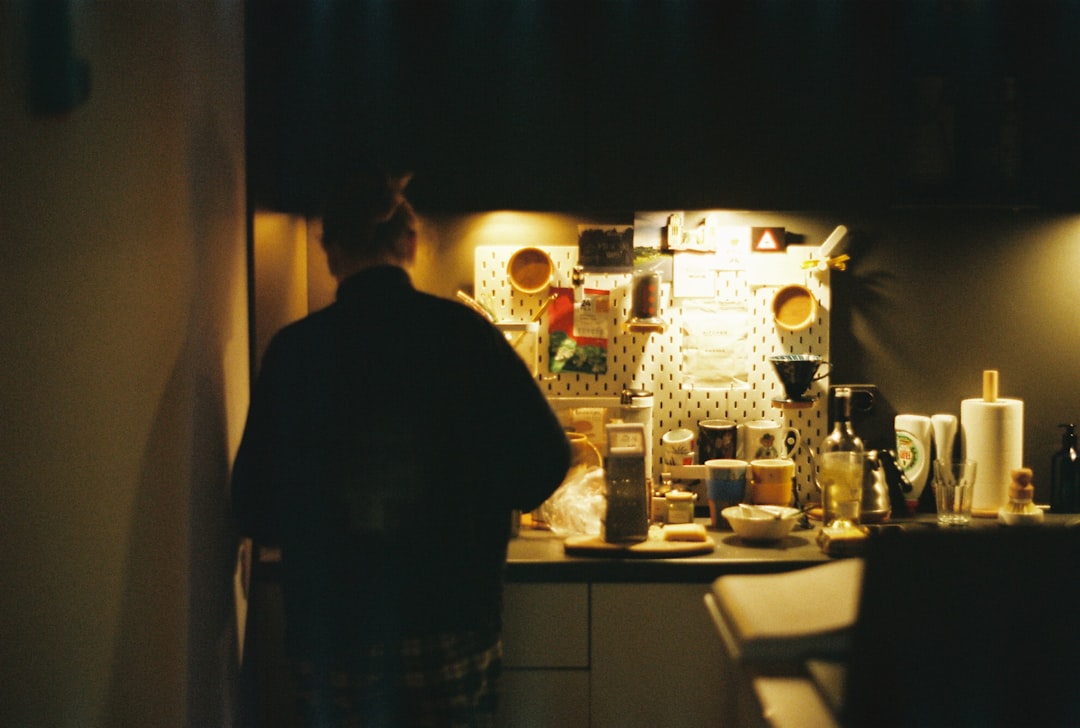
At six forty-five on a Friday, your kitchen has only 30 minutes to turn from quiet to host mode. One person wants a flat white with dense foam. Another wants hot cocoa with whipped cream for dessert. If the steam wand, the cocoa machine, and the small bowl of clean pitchers all share the same two feet of counter, the service can still stay calm if you let routine, not impulse, drive what you do first.
Most counter chaos starts with a mismatch. You buy a second useful appliance and then let every drink become a special case. That works for a minute, then every request feels urgent. The espresso side asks for a tall pitcher and fresh milk at room temperature. The cocoa side asks for a short batch, a slower pour rhythm, and a cleaner rinse path. The result is that nobody gets a smooth handoff, and you start moving tools back and forth like a game of hot potato.
Build one lane for milk movement before you think about drink flavor
With one station, you do not have two workflows. You have one workflow with two endpoints. Pick one container for raw milk, one container for steamed or frothed output, and one wipe-down station. Put them in the order you touch them, not the order your tools stay in a steady sequence. If your milk moves through the same lane every time, guests will notice only a steady pace and faster service.
Use this simple sequence for planning before the first order lands:
Step one is preheat your milk tools. Keep a dedicated warm-water rinse ready and always keep one spoon, one whisk holder, and one microfiber cloth within arm reach. Step two is route by drink size. Start with the cup family that needs the most precise milk texture first, because foam and temperature drift faster than people usually expect. Step three is batch planning. If two guests ask for a dairy drink within three minutes, prep both before serving the first one. That is faster than making one, serving one, then restarting the entire setup with an interrupted rhythm.
Choose your anchor tools for the lane, not for the brochure language
When the station is small, tool choice should be based on handoff behavior. You do not need every advanced mode. You need a few reliable behaviors that fit your serving order.
The cocoa base you can trust for quick service
For families or hosting sessions where cocoa and coffee both show up, the Hotel Chocolat Velvetiser on Amazon gives you an obvious place to anchor hot cocoa output. Its compact profile keeps the counter surface from splitting into multiple mini zones, and the dedicated cocoa process helps keep milk and cocoa timings easier to separate from espresso shots. Treat it as a station anchor, not a novelty gadget. That means set the cocoa station temperature expectation once, and then serve from a fixed ladling style each round.
For guests who want thicker hot chocolate or extra steam carry, anchor them as one of your default drink types, then run cocoa in short batches. If guests vary their requests, serve by type in small windows. Two cocoa orders first, then the next two milk drinks, then cocoa again if needed. That keeps your steam wand and pitcher path predictable.
The multi-mode steamer for mixed drink windows
If you need both cappuccino foam and an easier cocoa texture, the KIDISLE 5-in-1 Milk Frother and Steamer on Amazon can hold your service rhythm better than a very narrow single-purpose steamer. In real life, the best tool here is the one that does not force you to reinvent your sequence when someone orders an espresso with less foam than last week.
Use it for a short preheat cycle, then one steaming profile for all coffee drinks on the table. If a drink requires a denser texture, make a measured second pour for that cup only. You stay closer to a stable rhythm and spend less time resetting dials.
The speed-focused steamer for volume sessions
For sessions where you serve multiple people quickly, the Large Electric Milk Frother and Steamer on Amazon can help during the final push. Its fast cycles are easiest to use when the table is steady and your request pattern is clear. The goal is not to win a texture test, it is to finish every order without breaking your reset loop.
To keep that tool from turning your station into a sink zone, move it between two fixed tasks only: foam for drinks that need visible texture, and warm-up for cocoa blends that you blend into final serving mugs. Skip experimentation during the party.
Plan your service in rounds, then protect your reset loop
The moment you decide not to reset between every single order, your station opens up. Start with rounds of two to three orders, then a short reset. A reset is three actions: wipe the tip, rinse with warm water, and return all pitchers to the same position. This is less dramatic than it sounds and more useful than constant cleaning. If you reset after every order, people wait, and you get the stress you were trying to avoid. If you reset only after large windows, foam quality drifts. Two to three orders is the middle path.
Guests are forgiving of a short delay if your drink comes out consistent. They are not forgiving of inconsistent foam on the second and third drink. Build your consistency by timing the same actions each round. If the first cup in a round starts from room temperature milk, every next cup should follow the same start point and timing.
Use a visual cue for what should happen next
Create a tiny visual path on the counter edge with three zones. Zone one is raw milk and ingredient staging. Zone two is steam and froth output. Zone three is serving and cleanup. This is not decorative planning. It reduces cross movement by half in the first ten minutes and removes the decision fog from your hands.
Put a printed strip, a small chalk mark, or even a tray divider at the boundary between zone two and zone three. Keep your cocoa garnish tools in zone three. Keep the cocoa machine and milk steamer in zones one and two. If both tools are pulled back into zone three by accident, your station loses control and every subsequent drink feels delayed.
Common mistakes that kill counter flow
Mistake one is changing recipes while tools are hot. Make your serving rulebook before guests arrive. If someone asks for an adjustment, do it by small pour timing, not by rebuilding the whole setup.
Mistake two is cleaning by memory instead of by interval. Wiping once at the start is not real cleanup. If milk residues stay on the tip for more than two rounds, your texture changes and you lose trust. Wipe at the same interval every round, then deep rinse once the last round is done.
Mistake three is serving based on order sequence instead of route capacity. A route that is full of small decisions slows every drink. Decide the sequence for milk-heavy drinks and for cocoa-heavy drinks, then follow it. If that means cocoa waits one or two minutes, it is often still better than a full reset every order.
Make hosting scale by slowing decision-making, not service speed
The easiest way to improve a station is to reduce in-the-moment choices. Keep one milk temp window and one cocoa batch window. Keep one pitcher style and one serving sequence. Keep one cleanup rhythm and one refill cue. Then your service feels intentional and your counter feels larger than the footprint it actually is.
If you host often, this is the moment to remove all optional decisions from drink flow. Keep a notebook near the station with your three recurring guest requests and map them into Round A, Round B, Round C. That one step saves the most cognitive energy.
One final practical rule that matters
Ask guests what they want at the glass level, not only the ingredient level. If one person wants a strong milk body and another only a mild top, give them different pours with the same steaming process. This keeps your station stable and avoids the trap of re-setting every three minutes. The station should feel simple to the people at your counter and still feel thoughtful in the cup.
Before you buy, compare the station setup and storage space beside your actual counter, then check the live product pages for current pricing, return options, and shipping details. Specs and availability change, and even excellent tools can become hard to get in a rush. If one machine does not fit your route, set it aside and adjust your plan, because the route matters more than the model name.
When your rhythm is right, guests do not notice the logistics at all. They just see steady drinks, clean cups, and no panic. That is the goal of a single counter station for espresso and cocoa: not perfect gear, just a reliable sequence that keeps people smiling at the end of the night.