Seasonal Sips
A weekend drink reset for cozy hosting: serve cocoa, tea, and espresso without sink stress
Build a practical weekend station flow for compact counters, where cocoa, tea, and espresso are served in a steady sequence with cleaner turnaround, fewer cleanup surprises, and no rushed improvisation.
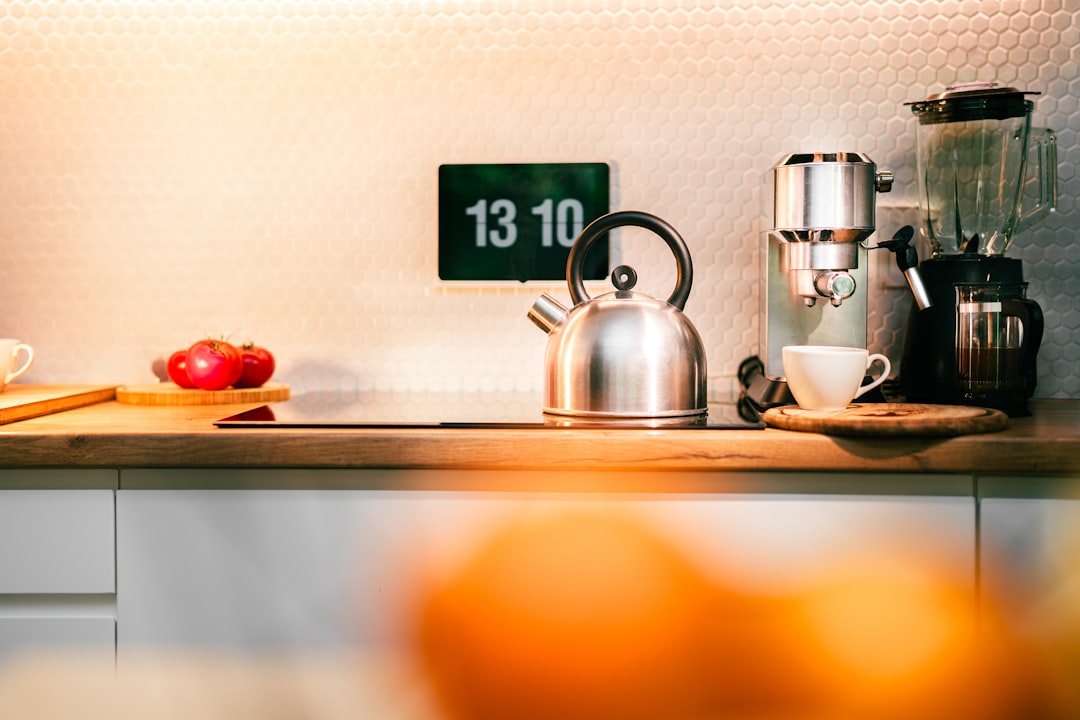
Friday at 6:30 p.m. is when the house gets loud and your counter gets crowded. One guest wants hot cocoa, another asks for black tea, and two more want a quick latte. The counter can still stay calm if the flow is decided before the first pour.
The trick is not to add one more machine. The trick is to choose a small sequence and follow it. If the order is clear, the counter stays stable even when the guest count rises, and your cleanup is smaller because you are not trying to reset at the end of every task.
Start with the service window, not the planning list
Most of the chaos starts before the first drink is made. You feel behind because you do not know which drink type will be requested first, so your station jumps between hot chocolate, tea, and milk drinks without a clear lane.
For this format, write three waves before you begin:
- Arrival wave: fast first cups and simple serving sequence.
- Middle wave: one refill pass and a quick reset.
- Late wave: short final drink run and final counter wipe.
If you do this with two people, one person serves and one person handles reset. If you are alone, reduce first wave to four cups and keep your timing honest instead of trying to keep pace with a big imagined crowd.
Choose one cocoa machine that owns your chocolate lane
If cocoa is part of your season theme, choose one machine to carry the first lane. The Hotel Chocolat Velvetiser on Amazon works as that anchor because it gives you a stable base texture with less manual adjustment.
Use a measured cocoa-to-liquid ratio for your first two rounds. You do not need a notebook. A simple visual marker like one spoon level works better than memory math once everyone is talking and moving.
Keep one hot-water lane separate from milk texture decisions
Mixing hot-water and milk-work into one action list creates avoidable delay. A separate lane with a consistent kettle helps. The Chefman Electric Kettle with Temperature Control on Amazon gives you repeatable water heat for tea and cocoa finishing.
Set two target modes before service: one for tea steeping and one for quick cocoa top-up. You do not need perfect numbers, only one shared setting that avoids guesswork from the host side.
Use a milk helper only when your timing needs it
Many people force milk texture decisions before every cup. For a small counter, that adds friction. A helper can be useful once you have a full view of pacing.
The KIDISLE 5-in-1 Milk Frother and Steamer on Amazon fits that helper role. Use it on late waves, not first-wave by default. Most hosts see better consistency when they simplify early cups and only switch textures for later requests.
Temperature is a sequence problem, not a number race
Guests rarely care about a temperature table, but they do care when cocoa is dull, tea is weak, or foam disappears too fast. What matters is that your lane has a repeatable target and a quick fallback lane.
A practical rule for this station:
- First wave: use your default lane settings and do not edit midstream.
- Second wave: adjust only if two cups in a row feel off.
- Third wave: hold the lane steady, finish with speed, and reset the counter.
This keeps the rhythm. Rhythm is better than technical perfection when serving guests. A guest notices steadiness before they notice a subtle difference in one cup.
Temperature choices when dairy and oat milk both show up
Many seasonal gatherings include both standard milk and oat milk. That mix is doable if you set one simple batching rule. Keep your dairy milk for rounds where people expect fuller foam. Use oat milk for guests who prefer a lighter mouthfeel and do not force the same foaming intensity.
One practical method is to build two small prep cups, one for each milk type. Do not keep both steaming continuously. Warm or foam one cup in full batches, then move to the next request type. This keeps the tool cleaner, reduces overflow, and avoids foam texture drift from temperature carryover.
If your oat milk cup has a stronger protein profile, you may notice slower rise in foam. That is normal. A short lower-intensity setting plus smaller portion often restores visual consistency without adding a new tool.
Use a clean station map so the sink gets beaten at the end, not midstream
There is no penalty for cleaning often, but there is a time penalty for cleaning randomly. Build cleanup into the sequence with three fixed actions.
Between waves, do this in order:
- Clear the front rail to create open space for the next cups.
- Rinse one milk tool and set it on the side for quick inspection.
- Wipe hot-liquid edges once, then move on.
That is enough. Bigger resets can wait until after the final wave unless a spill has safety implications.
Small counter pitfalls and how to avoid them
There are three common mistakes that feel small until they happen twice in one night.
Pitfall one: choosing drink by mood only
If you switch plans because one guest requests a warmer cocoa style, you can lose the whole lane. Make one baseline, then offer custom adjustment only after that baseline has run once.
Pitfall two: waiting to load cleanup tools
When cleaning cloths and scrap cups are not loaded ahead, everyone starts hunting for a place to put foam. Put the reset tools where everyone can see them from the main lane.
Pitfall three: assuming every warm drink can sit on the counter indefinitely
Holding habits change with temperature and room conditions. Keep a practical stop threshold and serve one fresh batch over one older batch when your counter looks crowded.
What to buy first, then what to defer
For this weekend style, buy in this order:
First: one stable cocoa maker for your base lane.
Second: one consistent kettle for hot-water service.
Third: a multi-function milk helper if your event size proves it is needed.
Deferring the third item often improves your first two waves because you stay focused and clean, especially in narrow spaces.
Food safety and hosting checks before serving
This plan is for practicality at home, not a professional operation, and live conditions change by drink style and room timing. If you are batching drinks, keep an eye on freshness windows and check the live retailer details before purchase. Confirm return terms, compatibility, current availability, and any recent listing changes on the product page before your final order.
Last reset for this Saturday routine
Run one full pilot loop on paper first. If the counter flow works for four cups in a row, the event can scale up to a larger wave. If the pilot starts to stall, simplify one lane, not every lane. Keep your cocoa, tea, and milk tools in motion, then close with one wipe and a calm serving pause.
In short, define your lanes, define your waves, and define your cleanup path. Then serve with a slower first pace and a tighter second pass. The counter stays organized, drinks stay usable, and your weekend hosting feels like a rhythm instead of a rush.