Seasonal Sips
How to host cozy cocoa nights without turning your counter into a bottleneck
If your counter gets crowded by the time your guests arrive, your first seasonal purchase should support flow, cleanup, and consistency, not merely the loudest feature list.
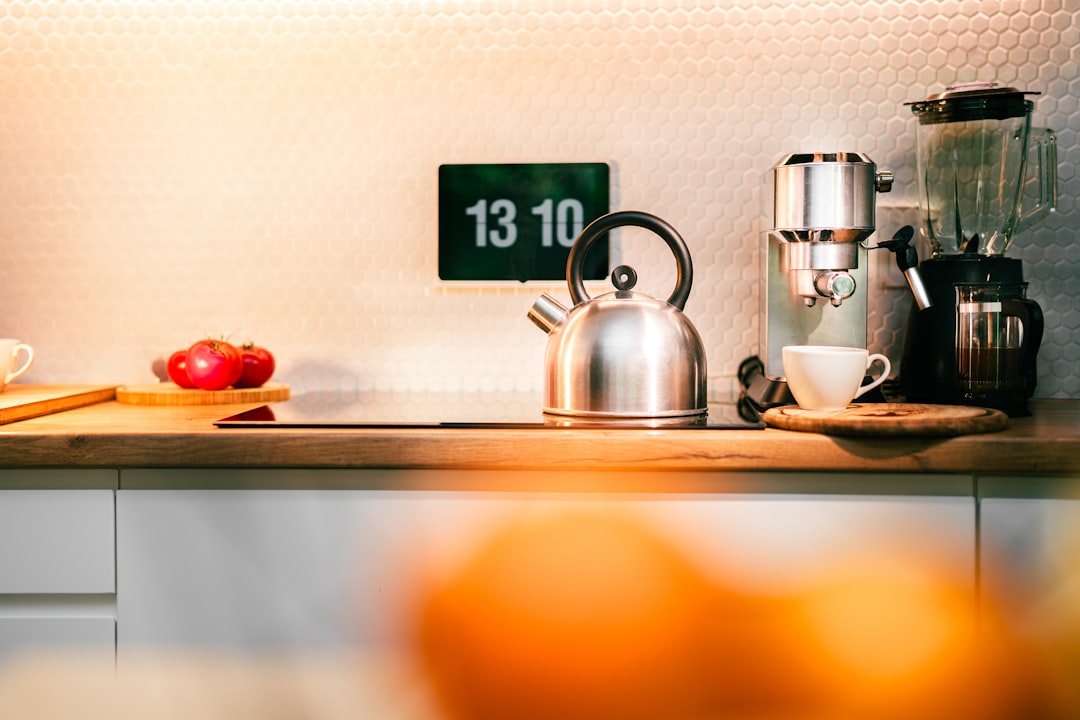
Friday evening, you have a jacket on the back of a chair, a rack of mugs waiting, and one person at the door asking if the cocoa is already ready. You have 30 minutes before the first wave of guests arrives, and your counter looks like a busy airport lounge. The pan is warm, the cocoa mix is open, and you are still hunting for a whisk, a measuring cup, and somewhere to put the milk pitcher. That is the moment most seasonals either shine or fall apart.
I am not here to tell you to buy the biggest machine. I am here to help you spend a little less time assembling a process and a little more time enjoying the people you invited in. The right setup for a cozy cocoa night is usually less about horsepower and more about whether your counter can handle one smooth rhythm all the way through serving, cleanup, and reset.
Most people start by shopping for one thing, then realize they need another, then another. A lot of money disappears this way. Before you click anything, pause and name the exact moment you are trying to solve. Is it that your milk texture changes by the second batch? Is it that your cocoa station feels chaotic at serve time? Or is it that your machine choices are not matching your kitchen flow?
Build your counter rhythm before you build your wish list
When a station works, the steps are predictable. You can move through them with your eyes mostly on guests, not on knobs. Pick a rhythm first, then pick tools that fit it:
- First serving wave: How many cups do you need within 20 minutes?
- Consistency check: Does milk texture stay steady when guests repeat drinks?
- Reset target: Can you bring the counter back to clean in five minutes after the rush?
- Weekend repeat: Will this setup hold for a second or third use without frustration?
Seasonal hosting is usually about repeat use. You may not use the same tools after the first night, but you want the same setup logic to work at least once more. If you can predict the steps in advance, guests feel it even when they cannot name it. That is why many people who buy by feature feel lost: they optimize for gadgets first and flow second.
How to choose tool roles, one at a time
Think in roles, not categories. A tool should do one clear job in a small system. For cocoa-focused hosting, most counters need these three roles:
1) Heat role: produce stable, drink-safe hot liquid for cocoa or milk foam, ideally without overshoots and long waits.
2) Froth role: produce light or dense foam when you want texture, without a six-step ritual.
3) Storage role: let you keep everything reachable and dry until the next drink wave.
If one tool starts doing two roles badly, you add friction. If one tool does two roles well, you may not need a third tool at all. That logic keeps seasonal counters calm.
A practical starter path for small counters
I like to start with the smallest meaningful rig. If you want a setup that can handle cocoa, lattes, or light hot chocolate shots for a group, a good starter trio in this category is usually a milk frother line plus one richer heating option, not a full lineup.
The Velvetiser style option gives a rich, dedicated hot chocolate route and suits cozy winter hosting where texture and ceremony matter. A practical fit is the Hotel Chocolat Velvetiser on Amazon. It is a straightforward way to keep heat and chocolate behavior predictable for guests who want a slower, richer drink.
The all-rounder frother option is useful when your nights are mixed. A lot of people want one machine for cocoa foam, hot milk warmers, and quick adjustments. The KIDISLE 5-in-1 Milk Frother and Steamer on Amazon is a strong example because it helps reduce tool clutter and keeps you moving instead of hunting for the right attachment.
The compact backup option is for people who want fewer controls and a lighter desk footprint. The Nespresso Aeroccino 3 on Amazon can be a good second opinion when you need quick daily serving but still want a foam finish.
"A useful setup is the one your guests barely notice, because everything still arrives on time."
That means you do not need every control in the box. You need the right controls for your rhythm.
How to compare these options without overthinking the spec sheet
If you are feeling overwhelmed, use a short test matrix that mirrors real use. Here is one that tends to stay honest:
- Can one person prep, serve, and clear each round with one glance?
- Can the same person repeat the flow for at least four rounds?
- Can you wash or wipe everything without opening three drawers?
- Are your cup choices and serving cups ready before the first pour?
Now map your results to your home conditions. If rounds stall at point two, your issue is likely speed, not flavor. If they stall at point three, your issue is storage. If point one is solid but rounds still feel flat, then texture consistency may be the missing part, and a separate frother may make sense.
Counter flow examples, not theory
Example one: Six guests, two kids in the room, and no one wants to wait. Your best move is predictable pace. Set cocoa base first, use a small pitcher loop, and use one frothing style for all milk additions. This is not about matching a recipe, it is about not creating a second decision every pour.
Example two: You host once a month, mostly adults, and like the social conversation to run while drinks are pouring. Choose a setup with fewer controls and cleaner reset. One frother and one heat role is usually enough. You can improve texture by timing and technique, not by adding a third machine.
Example three: You host family movie nights that run into snacks, then dessert, then second rounds. In this case, your station should tolerate heat, milk foam, and spill moments. More important than top features is a reachable shelf for pitchers, spoons, and paper towels.
Setup timing that makes the night feel calm
You do not need a rigid clock. You need a repeatable pregame rhythm. A practical rhythm looks like this:
- Start by pre-weighing two to three cocoa portions before guests are in the room.
- Heat one pot of milk for the first five drinks and keep reserve milk ready for later rounds.
- Foam in short batches so texture stays fresh.
- Wipe milk rims and rims of the froth wand right after each cycle.
- Keep a dry, clean cloth and one rinse bucket near the station, not three steps away.
People often ask why this matters if they are not a café. It matters because guest experience is not merely taste, it is speed with dignity. Nothing feels tense faster than waiting while someone tries to remember a manual they are trying to read on their phone.
What to skip so you do not buy wrong
A lot of seasonal buying mistakes happen in the second click. Here are the most common ones:
- Buying a machine because it is advertised as all-in-one without testing storage needs.
- Choosing a bigger capacity when your counter and serving count do not require it.
- Assuming every frother works the same with cocoa and dairy alternatives.
- Believing a feature list can replace a repeatable counter flow.
If any of those are true for you, it is a sign to simplify the setup and simplify the decision. You can always add one focused upgrade later.
When to choose one tool and when to choose two
Use one tool when your evenings are low volume, your route is stable, and you care about smooth cleanup. Use two when your guests come back for third and fourth rounds and you need both stable heat and dedicated foaming control. The key is still not product count; the key is where your bottleneck appears first. If it appears at heating, upgrade heat control. If it appears at foam, upgrade frothing control. If it appears at rinse, upgrade workflow and station shape.
The same logic also helps you decide the day before hosting: test the order of tasks, not the full catalog. Make a dry run with cups only. Time one full batch of two drinks from base to serve. If you can complete that under your target window with calm, you are close to a good seasonal rig. If it feels chaotic, change task order before changing tool brands.
Simple maintenance makes the best impression last
You will not ruin a setup with one bad night. You ruin it by making cleanup into a second shift of the same tasks and then avoiding future nights because it feels like chores. A useful trick is to dedicate one side of your counter as a temporary reset zone. Keep foam tools, wash station, and cloths there only during serving time, then clear it in one pass. In practical terms, this beats buying a larger machine for most people.
A quick checklist after serving also helps. First, rinse tools immediately before the milk cools. Second, wipe down handles and cords to avoid sticky residue. Third, open your machine vents or lids so moisture does not sit overnight. Fourth, log one thing to improve for next week. You do not need a notebook; one quick note on your phone is enough.
What to do with this shopping decision tonight
If your counter is already under stress, I would start with one focused frother or one dedicated cocoa machine and a clean service flow. The wrong order of buying often looks glamorous, but it creates a bottleneck and a long cleanup. The right order is quieter: reduce movement first, then improve consistency, then add capacity.
Before clicking any link, make sure you are checking current Amazon details. Product photos, ratings, and offer status can change, and live retail pages may differ from catalog snapshots. Confirm live pricing, size, and return details before you finalise your basket.