Hot Chocolate
Choosing a Hot Chocolate Maker for a Tight Counter: What to Check
A small hot chocolate maker can be useful only if it fits your counter, your serving size, and your cleanup routine. This guide focuses on practical limits and simple choices.
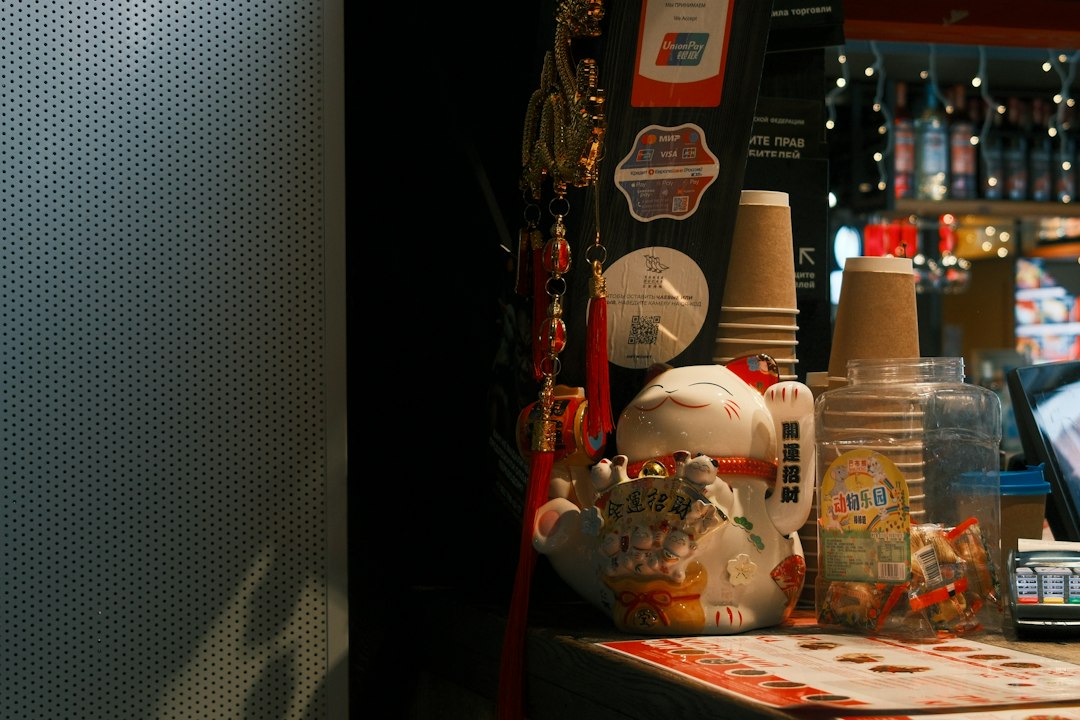
A hot chocolate maker can turn a small counter into a simple serving point, but the best choice depends on how often you use it and how much space you have. If you make one cup at a time, a compact unit with a narrow base and a short pour spout is usually easier to store. If you serve several people, a larger reservoir and a wider opening may reduce refills and make cleanup faster. The goal is not to buy the biggest machine, but to match the tool to the routine you already have. A maker that fits your counter and your serving habit will feel useful, while a larger unit can become a storage problem.
Before comparing models, decide what you want the machine to do. Some hot chocolate makers heat and stir a prepared mix, while others are designed to melt chocolate pieces or bars. The difference matters because the cleaning routine changes. A stir only unit may be easier to rinse after a quick cup, but it may not handle thick chocolate well. A melting unit can produce a smoother result, but it may need more attention to keep the surface from drying. If you already have a preferred cocoa recipe, choose a maker that can work with that recipe without extra steps.
Size is the first practical limit. Measure the counter space you plan to use, including room for a cup, a spoon, and a small towel. A maker that looks compact on a shelf can still need extra room for the power cord and the pour area. If you have a narrow shelf, check the depth, not just the width. If you have a crowded corner, a unit with a low profile may be easier to reach. A good fit should let you pour without moving other tools, and it should leave enough room to clean the spout without crowding the sink.
The reservoir and spout shape affect daily use. A small reservoir may be enough for one or two cups, but it can require more frequent refills. A larger reservoir can help on busy mornings, but it may take up more space and hold more liquid for longer. The spout should let you pour into a cup without splashing, and it should be easy to wipe after use. If you plan to serve guests, a wider opening can make refills simpler. If you want a quiet routine, a narrow spout may be easier to control. The best choice is the one that matches your usual serving size and keeps the counter clear.
Cleaning is where many small drink tools either stay useful or become a chore. Look for a maker that can be rinsed quickly, with a removable or easy to clean surface. If the unit has a narrow crevice, it may need a small brush or a soft cloth. If the surface is smooth, it may be easier to wipe after each use. A maker that dries quickly can also help keep the area tidy. If you plan to use it often, a simple routine is more important than a fancy feature. A quick rinse after use, a weekly deeper clean, and a dry spout can keep the tool ready for the next cup.
Power and placement matter more than they look. A hot chocolate maker needs a stable surface and a nearby outlet, but it also needs room to cool after use. If you plan to keep it on the counter all day, choose a model that does not need a long cord or a large base. If you store it in a cabinet, make sure the cord can be wrapped without strain. A unit that is easy to move can also be easier to clean. If you have a small kitchen, a maker that can sit near the sink without blocking the work area is a practical advantage. The best setup is one that lets you use the tool without rearranging the counter.
When comparing options, start with the narrowest list that fits your real use. If you need one cup, a compact maker with a simple pour and easy rinse is the most practical path. If you need to serve more than one person, look for a larger reservoir and a wider opening that can handle refills without extra work. You can also check a broad selection of small counter options at Amazon to compare size, reservoir, and cleaning details before deciding. The right choice is not the most featured machine, but the one that fits your counter, your serving size, and your cleanup routine.