Hot Chocolate
Hot Chocolate Maker for Small Counters: What to Compare Before Buying
Compare capacity, counter space, and cleanup before choosing a hot chocolate maker that fits your daily routine.
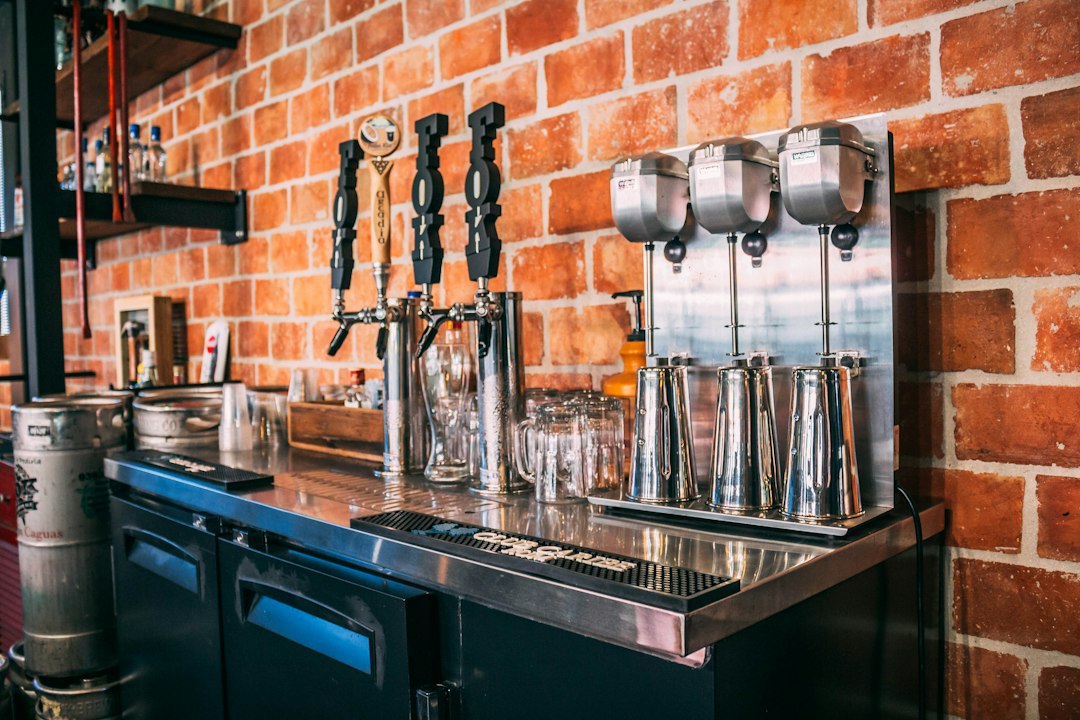
A hot chocolate maker can turn a small counter into a simple serving point, but the best choice depends on how often you use it and how much cleanup you want to accept. If you make one cup at a time, a compact unit may fit better than a larger dispenser. If you serve guests, a model with a wider bowl or a larger reservoir can reduce the need to refill and reheat. The main question is not whether the machine looks impressive, but whether it fits your daily routine without creating extra work. A good hot chocolate maker should be easy to start, easy to pour, and easy to put away after use. It should also match the size of your kitchen and the number of people you usually serve. When you compare options, focus on the details that affect daily use, not just the features that sound appealing in a product list.
Capacity is the first practical detail to compare. A small maker may be enough for a single morning cup, but it can become slow if you need several servings in a row. A larger maker can hold more chocolate and milk, yet it may take more time to warm up and may need more counter space. If you usually serve one person, choose a model that can make a single cup without wasting extra ingredients. If you often host, look for a capacity that can cover a small group without constant refills. The right size also depends on how you prepare the drink. Some people use a small amount of chocolate and a small amount of milk, while others use a larger recipe. A maker that matches your usual recipe can reduce waste and make the next cup easier to make. If you are unsure, start with a model that can serve one or two people before choosing a larger unit.
Cleaning is the second detail that shapes the experience. Some makers use a single bowl that can be rinsed quickly, while others have multiple parts that need drying and storage. A model with fewer moving parts may be easier to keep ready for the next cup. If you plan to use the maker often, a simple design can save time after each serving. If you use it only on weekends, a more complex setup may be acceptable as long as the parts are easy to wash and dry. The cleanup routine also affects how often you will actually use the machine. A tool that takes a few minutes to reset can become part of the morning flow, while a tool that needs a longer break may end up used less. Compare the number of parts, the type of bowl, and the time needed to dry each piece before deciding.
Counter space matters more than people expect. A hot chocolate maker needs room for the bowl, the base, and the space needed to pour. A compact unit can sit next to a kettle or a small coffee maker, but a larger dispenser may need a clear area. If your counter is already crowded, measure the space before choosing a model. A unit that fits well can become part of the routine, while a unit that feels cramped can end up stored away after one use. The placement also affects how easy the drink is to serve. If you need to reach across a busy counter, a smaller footprint may be more practical. If you have a dedicated corner, a larger model may work well. Think about where the maker will live, not just where it will be used.
Power and speed are useful, but they should match your use. A fast maker can be helpful when you need a cup quickly, but it may use more energy and may need more attention. A slower maker may be enough for a relaxed morning or a casual gathering. If you want to serve several people at once, speed can matter. If you want a simple tool for one cup, a steady, easy-to-use model may be better than a high-speed option. The type of power source also matters. Some makers plug directly into an outlet, while others may need a separate base or a different setup. If you have limited outlets near the counter, check the placement before choosing. A machine that is easy to power on and off can fit more smoothly into a small kitchen.
Material and finish also affect daily use. A smooth bowl can be easier to clean, and a stable base can help the unit stay in place. If you plan to move the maker often, a lighter design may be easier to handle. If you want it to stay on the counter, a heavier base can feel more secure. The finish should also match your kitchen, but the most important factor is whether the surface is easy to wipe and whether the parts are simple to maintain. A maker that is easy to keep clean can stay in daily rotation, while a maker that needs careful handling may be used less often. Compare the bowl material, the base finish, and the overall design before deciding. The goal is a tool that looks good and works well without adding extra care.
A clear recommendation is to choose a hot chocolate maker that matches your serving size, counter space, and cleaning routine. If you need one cup at a time, a compact model with simple parts is usually the better fit. If you serve guests, a larger model with a wider bowl and easy cleanup may be more useful. You can find options at Amazon, but compare the details before deciding. The right choice is the one that fits your routine without adding extra work. A small, well-matched maker can make cozy drinks easier to serve, while a larger or more complex option may only work if your space and habits support it. Choose the size and setup that fits your kitchen, and the next cup will be simpler to make.