Product Care
A calm closeout routine for a tiny drink station
A closeout plan built around a short reset routine can keep a compact station calm, fast, and ready for the next host turn.
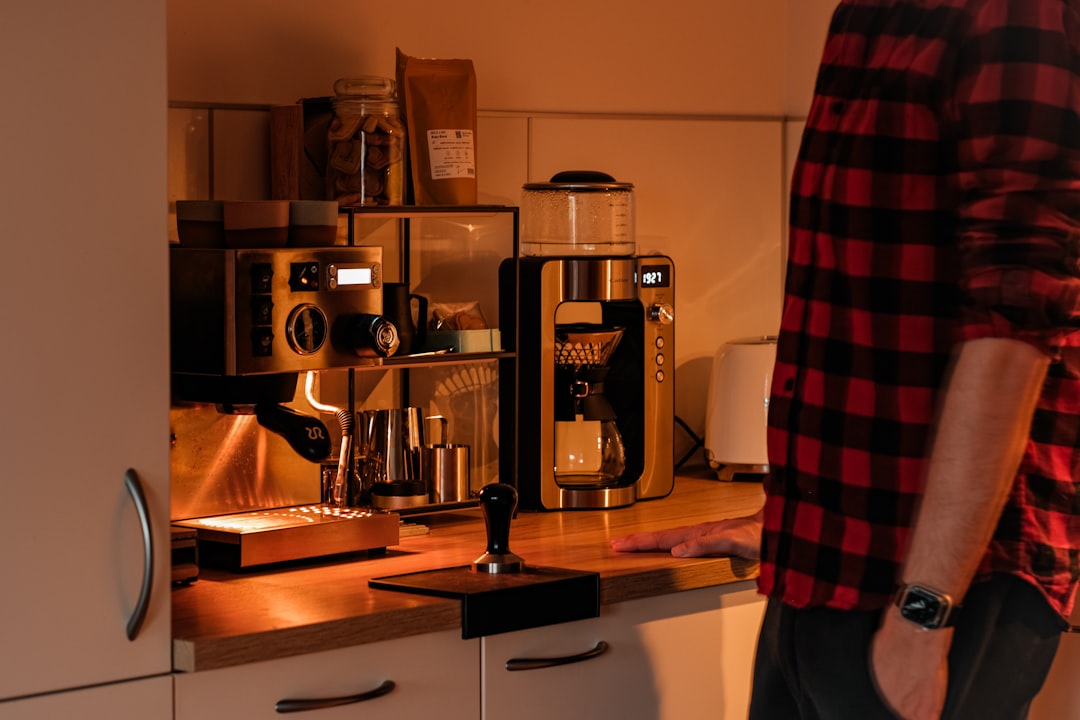
The counter might look fine right after the last drink leaves the tray, but the next visit is when cleanup guilt appears. "Good enough" rinses, half-wiped pitchers, and kettles parked hot overnight are how small stations quietly grow unruly. A two-stage reset keeps your counter ready for the next gathering without turning your nightly routine into a chore list.
Think like an operations manager, not a performance artist
Many hosts treat a drink station like a one night sprint: heat, serve, then scramble before the next round. The stronger approach is a short reset plan that always follows the same order. You do less thinking when guests arrive, and equipment keeps behaving the way it should because you are not guessing at the next step.
For this plan, use a simple sequence: make the tools safe, make them clean, then make the counter quiet. If you can keep this rhythm, you will avoid residue smell, odd temperatures, and the feeling that every party needs a brand new setup.
Safety first: a five-minute cool-down window
Before you move tools, turn every machine off and let it cool until the touch on the outer wall feels safe. Heat-safe behavior is part of product care. Electric kettles and milk frothers are made for repeated use, but heat and sugar build up still need a cooling interval so seals and valves are not worked under pressure.
Then clear foam residue and milk film from every rim and nozzle while the tools are still warm enough to move the final drops. The goal is not deep cleaning yet. It is moving from "service mode" to "maintenance mode" before residue hardens into stuck milk and stale sugar lines.
Cool-down reset for your kettle
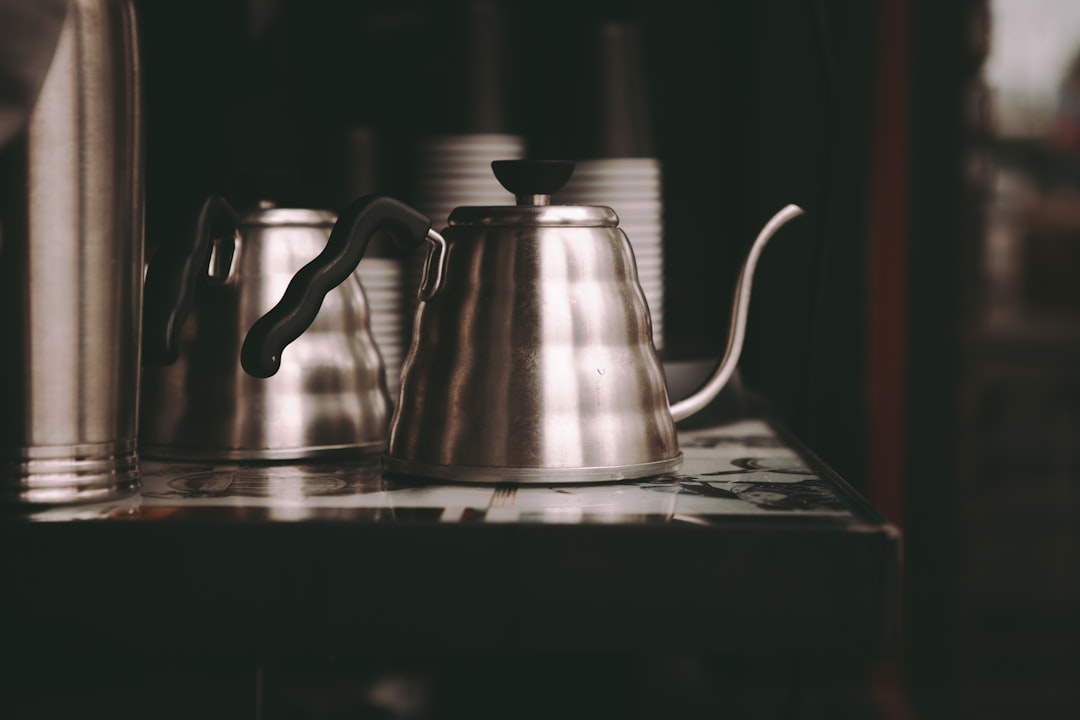
After guests are done, empty the unused water from the kettle. Do not leave it full for long. Heat cycles are less predictable when tanks sit full for hours, and mineral residue dries harder on internal surfaces. A small kettle can still be a reliable workhorse when you treat it like a reusable tool, not a decorative object.
If you use a multi-temp kettle, pick one easy baseline. For most home stations this is a medium heat level for clean water, then off. For sweet drink menus with cocoa and milk, run a warm final rinse through, then unplug, then cool. The exact settings depend on your model, but the habit of a single baseline keeps decision fatigue lower on busy nights.
If you do not already have a tool in this workflow, this is a good category fit for a glass-bodied electric kettle with presets and auto-off behavior. For example, the COMFEE 1.7L electric kettle is built for one-pot heat planning and quick response, which helps when you are shifting from tea water to cocoa water in one evening. See the COMFEE 1.7L kettle on Amazon.
Milk frother reset: clean, flush, and air dry
Milk tools are where many hosts lose consistency next day. A tiny spoonful of milk film can leave the next froth thin and the next aroma heavy. Once the event is over, detach nozzles or removable inserts as your model allows, then rinse immediately with lukewarm water.
Run one full rinse cycle through the unit with no milk, then detach, wipe the shaft opening, and leave all parts upright so air can move through. A flat, dry tray is often enough for overnight storage. This simple sequence prevents sugar crust and keeps performance closer to the original. For a compact station setup with a dependable one-tool strategy, a 4-in-1 style milk frother with warm and cold options can be a practical anchor. See the SIMPLETASTE 4-in-1 milk frother on Amazon.
Keep the counter legible by separating reset lanes
Divide your counter into three temporary lanes for one evening: hot-water tools, milk-contact tools, and consumables. Put cloths, milk cartons, and sugar in their own tray as soon as service ends. This prevents one sticky surface from touching a dry nozzle, which is how odd tastes sneak into the next drink.
Once everything is separated, wipe only once per surface. If a spot still feels sticky, run a second wipe immediately. Most messy surfaces do not need heroic scrubbing if you start that first wipe while still warm. The same rule applies to the plug area too. Keep cords loose and off the splash path, then set all appliances upright with lid airflow open.
Weekly deep care that actually matters
Your nightly reset is the short layer. Once a week, add a longer deep layer: empty and descale only when scale is visible or water tastes off, clean removable parts in warm soapy water, and replace or wash microfiber pads. A weekly cycle is easier to remember than a monthly panic, and it lowers the chance that a small station needs replacement for avoidable wear.
If you host often, use your event notes to track one detail each week. Instead of a huge checklist, track one metric: one post-event question. Did this station smell the same at the start of the next event as it did when this one ended? If the answer is no, increase the rinse window for your frother by ninety seconds and test the reset again.
Why this works beyond hygiene
Cleanliness helps flavor, but consistency is the real value. When routine is consistent, you stop re-negotiating settings. Less rework means less rushed decision making and fewer tiny shortcuts. The goal is not to create a museum-grade bar. It is to keep drinks fast enough for guests and gentle enough to repeat at home.
This rhythm also improves heat safety. A cool-down window plus clean storage lowers scorch risk, especially with flavored milk or cocoa batches that sit at room temperature too long. You can keep the station simple with fewer tools and still get reliable service if the sequence is calm and repeatable.
Final setup check before your next pour
Before the next hosting night, spend two minutes on a final setup check. Confirm each tool is dry, each cord is clear, each nozzle is free, and each product you use still matches what you can verify on the live retailer page for price, shipping, and availability.
A station that resets right after service rarely feels intimidating by morning. You are not only cleaning hardware; you are preserving a workflow. Choose a rhythm you can keep, and the station will keep paying off the next time someone says, "What should I drink next?"