Product Care
A Counter Reset Sequence That Keeps Drink Appliances Clean
A compact reset plan turns a busy drink counter into a calm workflow by separating hot, wet, and return zones in under 15 minutes.
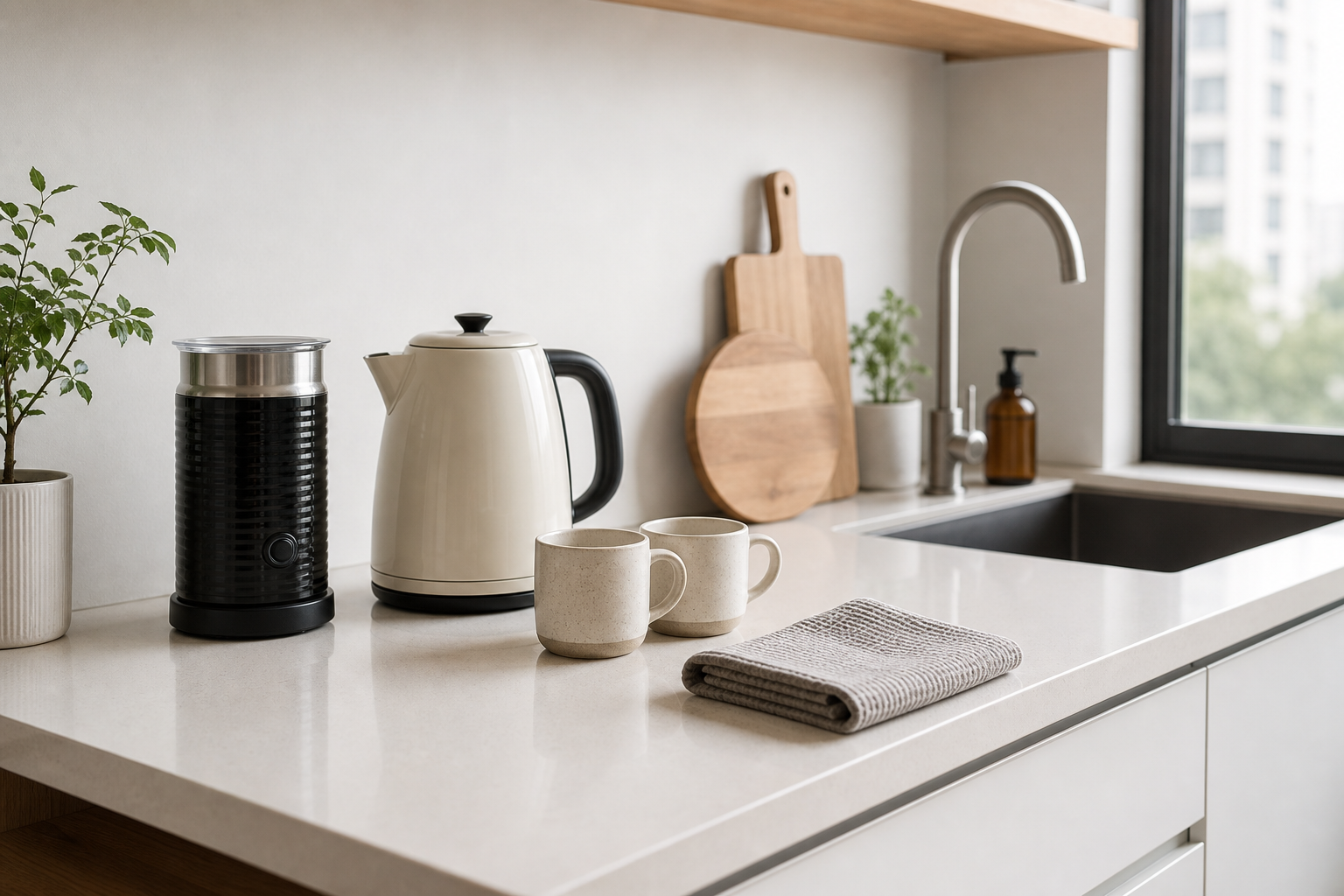
At night, your milk frother is still warm, your kettle still has a faint ring of steam, and your counter looks like a workbench after a busy run. The drinks were good. The cleanup, not so much. The goal is not to invent a bigger counter. It is to make a repeatable 12 minute reset that keeps the surface usable for a second round.
The easiest part is planning the reset before your session begins. If you think about a cleanup plan only after coffee cups are already stacked, you inherit extra heat, extra mess, and extra stress. A short sequence gives each tool a place. A compact counter becomes a reset routine, not a storage battlefield.
Pick your two tools and build a tiny traffic pattern
Most counter stress comes from mixing warm tools, wet tools, and dry tools in one cluster. Pick one warm station spot and one rinse spot. Use one basket for dry tools and napkins, and one small tray for wet parts. That simple split lowers confusion before the first cup is even poured.
If you are using a milk frother, a kettle, and one serving setup, your minimum post-run layout can be this:
1) Hot tool edge: kettle base, frother base, and cloth towel.
2) Rinse edge: small bowl, one brush, one clean cloth.
3) Return edge: napkin set, plug-in tray, and waste bin.
Put this layout down before serving starts. It does not need extra space. It needs consistency. A tiny counter with consistent positions usually outperforms a large counter with random movement.
The 12 minute reset sequence you can keep in your head
Minute 1 to 3: cool and contain
Unplug warm appliances first if they are safe to cool without touching. Move the frother nozzle and whisk arm to a silicone mat. Place a covered container over the kettle body if it is still hot and not moving. This keeps heat and water splash near your station edges where the counter is already meant to hold appliances.
At the same time, remove used cups, skims, and wrappers from the surface into one place. Do not use that edge for cleaning steps. If wrappers sit by your tools, they become part of the mess path. Empty them, then reset your working edge.
Minute 4 to 6: rinse and reset wet tools
Dip only small tool parts in warm water with one clean cloth, then dry immediately. Small, quick wipes beat full soaks for this setup. For a milk frother or steamer, this prevents protein residue from setting while it is still warm. If your model has a removable cup, separate the cup from the motor base and wipe it with a dedicated cloth.
Never leave wet cups on the counter with dry powders or granules nearby. Dry and wet mixing is the fastest route to sticky edges and extra scrubbing later. Keep the rinse bowl for wet parts only, and keep wrappers on the return edge.
Minute 7 to 9: handle the kettle edge and rinse line
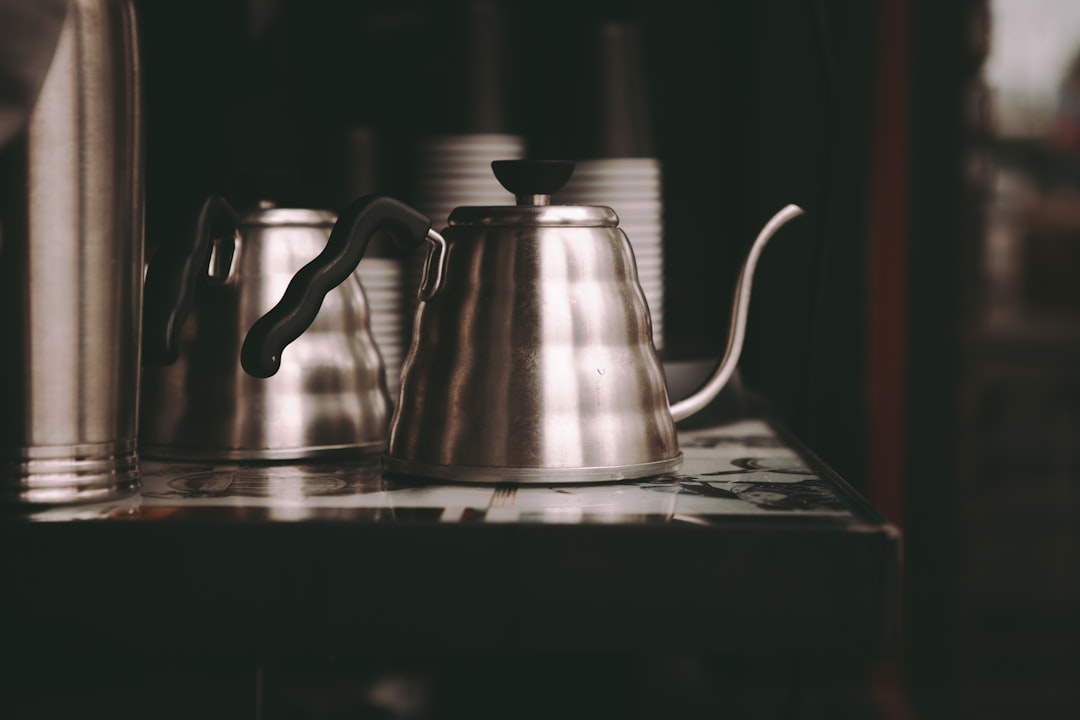
Wipe the kettle exterior and spout lines with a microfiber cloth. The visible build-up around the spout is usually where old tea film and sugar haze collect. A fast wipe now keeps the overnight clean-up smaller than a full sink reset.
Empty the rinse bowl into the sink and refresh your cloths. If you have a spare dry cloth, keep it by the return edge so each item lands dry. This single swap between wet and dry tools makes a big difference and keeps your counter reset loop efficient.
Minute 10 to 12: reset for tomorrow or the next round
Wipe the counter corners, return tools to chosen shelves, and set a second cloth in your drawer. Then check for one line from counter to sink to dishwasher. If one tool still needs a second rinse, mark it for the next short sweep, do not let it become a full rebuild session.
If you are done with serving, leave a small note on your counter that says next action. That note can be as simple as "wipe spout" or "dry frother cup". One note ends confusion and keeps the desk clock from moving without direction.
Why this works better than deep scrubbing every time
Deep scrubs are not wrong, they are just poorly timed. The 12 minute loop takes stress off a full clean by doing the worst spots first, while warmth still helps move residue. When residue leaves early, your second cycle is calmer and faster.
The deeper clean can still happen later. But you reserve it for a scheduled moment, not every serving hour. That keeps your routine realistic, especially in small kitchens where counter space is a fixed constraint.
Product options you can match to this flow
Tools that support this reset
- Compact 4 in 1 milk frother on Amazon
- Instant Pot milk frother and steamer on Amazon
- Digital water kettle with presets on Amazon
For compact drink stations, the 10.6 oz milk frother is easier to manage than oversized options when you serve few cups. It has one motor family, one cup, and a cleaner path for wipe down. That makes it suitable for smaller counters with fast reset targets.
The Instant Pot style frother in this list brings a familiar control style for hot milk and hot chocolate steps. Its separate warm and cold settings may help if you do both drink styles in one evening. If your setup is already near a deadline, this type supports cleaner handoffs to the rinse edge because it stays predictable.
A gooseneck kettle with preset temperatures helps you avoid guessing when moving between tea and cocoa. You can use the same pattern each evening by pairing a single heat profile and a two bowl pass sequence. If your drink line grows, presets reduce variation and prevent surprise texture changes.
Real life reset timing by daypart
After a morning latte run, your first 12 minute reset can be shorter. The key is still cool and contain, then wipe, then reset shelves. After an evening cocoa session with more toppings and syrup handling, you may want one extra minute for wrappers and one extra minute for wipe cloth swaps.
Do not let a late night session skip the first wipe. Wipe marks disappear faster with warm tools and slower residue, and then the rest of the reset is less emotional. The goal is not perfect after day one. The goal is controlled repeatability.
Final close and next use
Before you place lids in the drawer and leave, check each selected appliance once more. Confirm no hidden drips around the spout edges, no wet cloth left under tools, and no uncapped product in an open place. This helps your next cup start cleaner than your previous one.
For routine buyers, consistency is the upgrade. You get calm drinks without trading counter space. You keep your station in service for more nights than you expected, and your evening ends with less cleanup pressure and more free time.
Open each Amazon listing before buying to confirm price, availability, care notes, and return policy.