Chocolate And Fondue
How Big Should a Chocolate Melting Pot Be?
Match the pot to the biggest batch you actually make, then weigh heat control and cleanup to see which melting pot fits your dip nights.
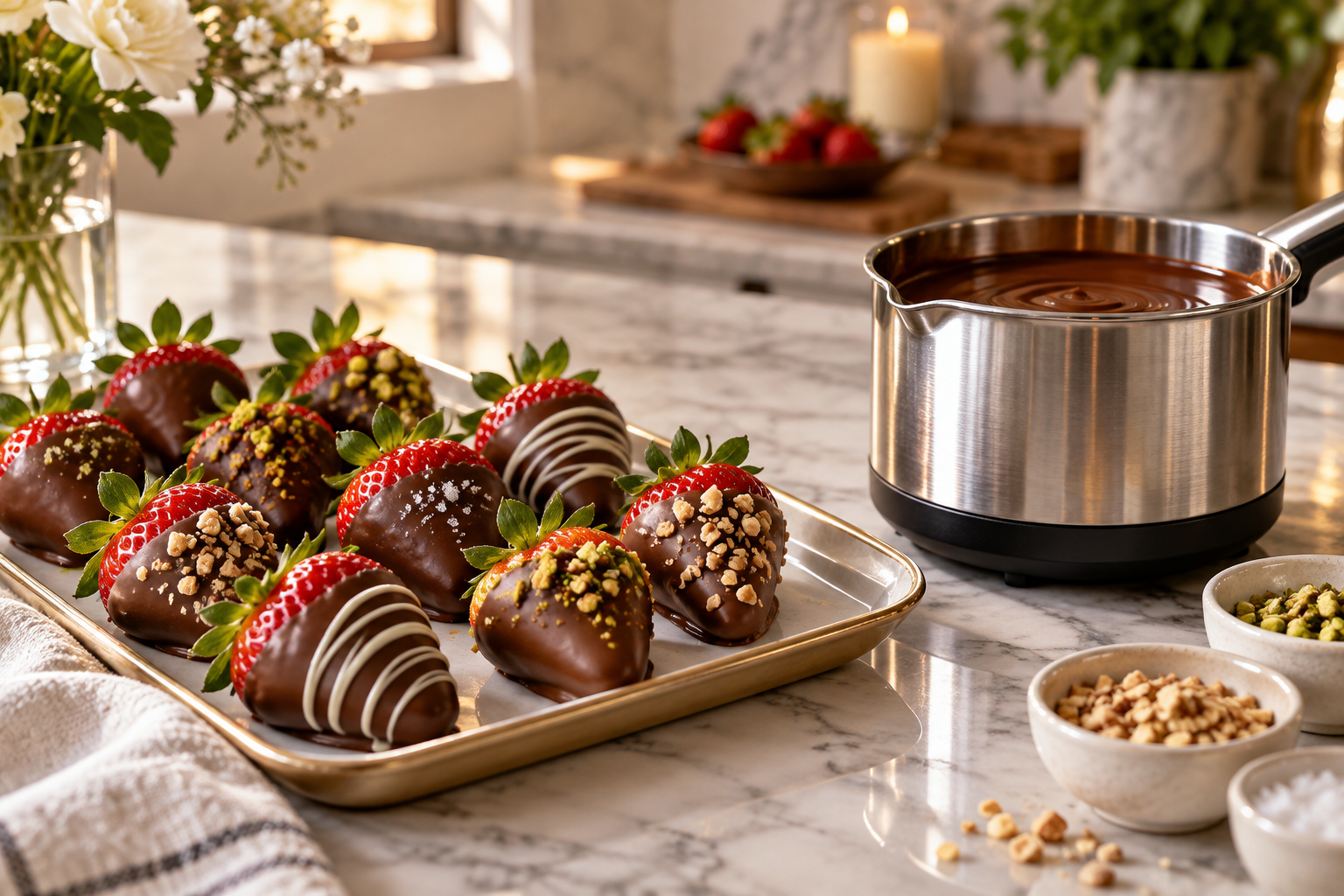
You know the moment: you are two minutes from a perfect tray of dipped strawberries, you tap the microwave one more time, and the chocolate goes from glossy to grainy. Stir it, and it looks like wet sand. That is the problem a chocolate melting pot exists to fix, and it is also why buying one is less exciting than it looks. There are plenty of them. They look similar in photos. And the difference between a pot that makes dipping a pleasant twenty minutes and one that fights you the whole evening is small, boring details like capacity, heat control, and what cleanup actually takes.
So before you add another small appliance to the counter, here is how to compare them like someone who has actually burned a batch.
Start with the batch you actually make
Most home melting pots come in two sizes that matter. The smaller pots sit around 2.5 cups of chocolate, and the larger ones push toward 4 cups. That number sounds like a spec-sheet detail until you are standing at the counter holding a tray.
Do the math on your favorite project first. A dozen or so covered strawberries takes roughly a pound to a pound and a half of chocolate, and a full batch of cake pops wants about the same. If your usual project is a small drizzle run for one or two desserts, a 2.5 cup pot has room to spare. If you plan on cocoa bombs, a party tray, or dipping while guests are watching, the 4 cup capacity is the one that saves you a second melt and a second cleanup. The bigger batch also melts a little more forgivingly, because there is more chocolate to hold its own heat while you work.
Rule of thumb: match the pot to your largest realistic batch, not your average one. A 4 cup pot handles a dozen strawberries without drama. A 2.5 cup pot handles a small drizzle batch without drama. Pick the drama you want.
If you mostly do cake pops and drizzle work and the biggest thing you make is a birthday treat, the Wilton candy melts melting pot is the classic small-batch pick. It runs two temperature settings and has pour spouts, which genuinely help when you are doing thin drizzles over cookies or topping cake pops one at a time.
When you are making a full tray of covered strawberries for a gathering, that is the batch size the LUSHYUM chocolate melting pot is aimed at. Four cups of chocolate in one go, two heat settings, and it is marketed for the whole party menu, cocoa bombs, dipped strawberries, fondue style dipping, the works. For a bigger dip night, one melt covers the table, and you do not spend the evening re-melting while your guests slowly finish the plate.
Heat control is what actually saves the batch
Capacity decides how much you can make. Heat control decides whether you keep it. Every melting pot in this price range gives you some form of control, but the implementations differ in a way that matters at 9 pm when your dipping session is longer than you planned.
The basic pattern is two settings: a faster melt, and a slower keep warm. That works fine, with one catch. You still have to watch the pot. Chocolate that overheats is hard to save, and the last thing you want to be doing is stirring and checking the color of the batch while someone is holding a strawberry. So the first two or three times you use any pot, stir continuously while the chocolate is melting and step away from the counter less than you think you should.
The newer designs add what is essentially a smarter version of the same idea. A pot like the 1L chocolate melting pot with constant temperature control watches the temperature with a control chip and uses a PTC heating element, which is a heating element that backs off on its own instead of running at full power the whole time. In practice that means two things: the melt comes on a little faster, and the pot holds a steadier temperature when you switch from melting to holding. If you dip for a long stretch, a pot that holds temperature is the difference between a smooth finish and a pot you keep babysitting. It also sips less power while it sits holding the batch warm, which is the part of the evening where most of the energy actually goes.
Two heating styles, one practical difference
Under the lid, these pots work in two different ways. Some are waterless. The heating element is bonded to the bottom of the pot, so heat goes straight into the metal the chocolate sits in. Others use a double pot setup, where the chocolate sits in an insert above a shallow pan of water, and the water carries the heat gently. The WICHEMI double pot melter is the double bath approach, and the listing leans on it for more than chocolate. It is set up for butter, cheese, and cream too, which makes it the right shape for a household that melts chocolate on weekends and wants the same machine for other jobs.
What does that actually change for you? The double bath heats more gently and holds a soft, even temperature, which is forgiving for long dip sessions. The tradeoff is an extra pan, and an extra thing to wash and dry. The waterless bonded design, like the 1L pot, is simpler and melts faster, with fewer parts to fuss over, but the heat is closer to the chocolate, so it wants a bit more attention while it is working. For home dipping, both do the job. Pick the one that matches how you want the session to feel: fast and minimal, or slow and gentle.
Cleanup is half the purchase
Here is the detail nobody photographs for the product listing. The pot is only as good as the evening you stop reaching for it. Melting chocolate is forgiving to work with and finicky to clean if you let it cool in the pot. Warm it, do your dipping, and while the insert is still warm, wash it with hot soapy water before the chocolate hardens into a coating. A little baking soda paste scrubs out whatever is left. Then let the insert dry fully before you store it. A single drop of moisture left in a dry pot is enough to make your next batch go cloudy, which is the same enemy that ruined your microwave batch, just slower and harder to spot.
Where each one fits
So the decision comes down to the project you make most, and how you like to work.
If your usual batch is a small tray of cake pops, drizzled cookies, or a handful of strawberries, the Wilton pot is the classic small-batch answer, with the pour spouts earning their keep on drizzle work. If the project is a full tray of covered strawberries for a gathering, step up to the LUSHYUM 4 cup pot so one melt covers the whole table. If your dip sessions run long, or you want a pot that holds a steady temperature while you work, the 1L constant temperature pot is the upgrade worth making. And if you want one machine that also handles butter, cheese, or cream, the WICHEMI double bath is the flexible pick.
Whichever one you choose, the first batch is a test run. Use less chocolate than you think you need, learn the pot's pace, and keep stirring while it melts. Prices, stock, and current specs move around on retailer pages, so check the live listing before you buy to confirm what you are getting. The pot will do its part. Your part is stirring, and not rushing the chocolate.