Tea And Kettles
When Temperature Control Actually Matters in Your Kettle Routine
If you host tea nights, brew pour-over coffee, or make a warm cocoa for one of your kids, choosing a kettle is less about size and more about flow, repeatability, and cleanup habit.
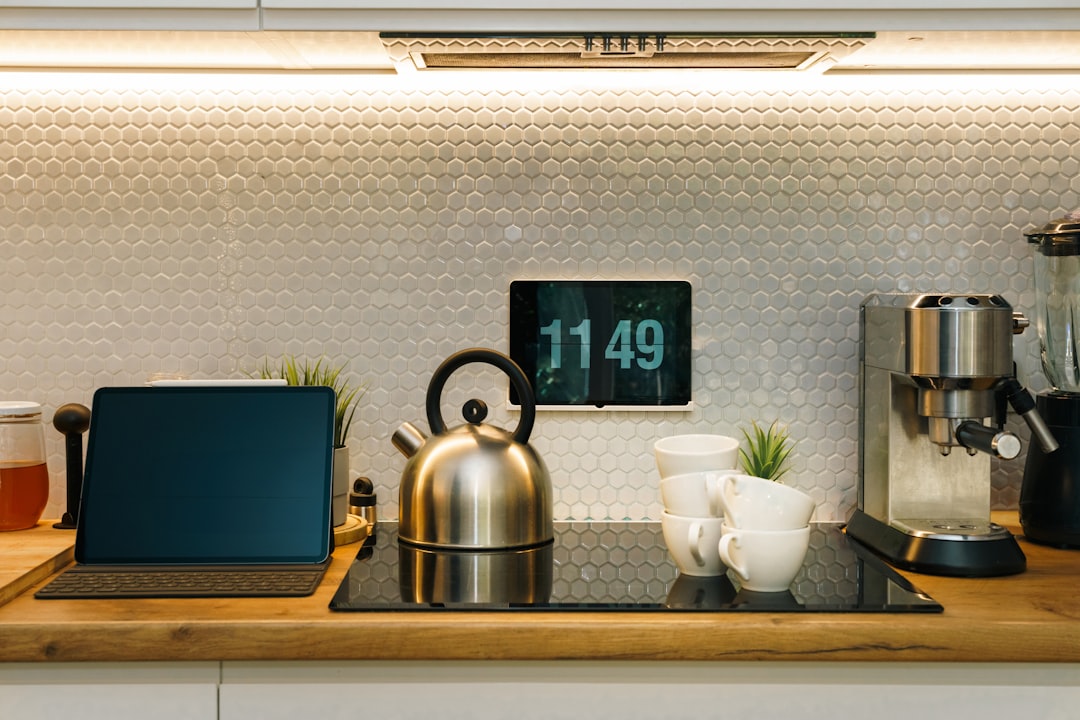
At 7:20 on a Saturday morning, the kettle was already hot, the milk was waiting, and a second person in the kitchen had just asked for a bigger mug. That is usually when I remember how many habits a kettle has to serve. The first one wants speed. The second one wants control. Someone else in the household wants a full stop for cleanup. If your drink routine says yes to all three at once, then the right kettle choice is about matching features to habits, not about picking the biggest package on the shelf.
Start with your routine before you start with specs
Most buying guides begin by listing every feature. A better process starts with your routine map. Think about your real use in the next two weeks, not the next sales week on a website. Are you making one mug before work? Are you filling six cups for a weekend brunch? Are you running one big pot for instant cocoa and a second quick pour for tea, then cleaning while the kettle cools? Each answer points to different priorities. If your answer is mostly single-cup precision, a gooseneck design and manual control might matter more than extra liters. If your routine is more like a kettle station at the counter with two back-to-back guests, speed and thermal behavior for repeated pours matter more than precise minute-by-minute adjustment.
Three practical kettles for three different workflows
The Chefman Electric Kettle with Temperature Control fits people who want a straightforward tool with enough flexibility for many drink types. In a kitchen where tea mornings, cocoa, and occasional pour-over all happen in the same hour, this model can feel like a comfortable flexible base model. It keeps you moving when you need warm water quickly, and it does a clear job when you want broad compatibility. It is not the smallest option on a crowded counter, but it is often the easiest fit when your schedule changes from hour to hour.
The Elite Gourmet EKT3001 Digital Water Kettle is a stronger choice for users who like set-and-review behavior. Its smaller one liter shape can feel less bulky, and the digital presets make repeatable routines easier. If your mornings include latte-style work, a lot of black tea, and repeated cups through the afternoon, a dedicated control pattern can reduce guesswork. A compact shape also helps on smaller counters where every inch matters.
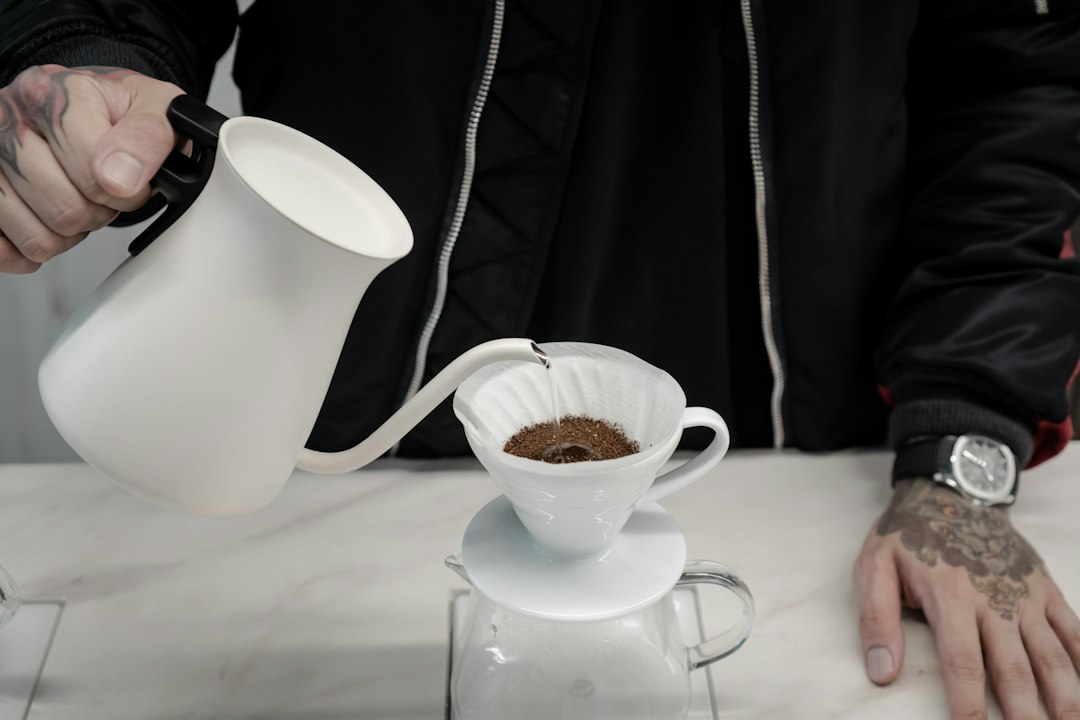
The HIYAKOI Gooseneck Kettle is tuned for users who like ritual. The built-in timer and narrow pour path can make precise pours easier for repetitive routines. If your routine includes pour-over coffee or cocoa where pour shape matters, this is often the one to test first. If your priority is speed and big batch reheats, this option can still work, but it is usually chosen for control over raw throughput.
Kettles worth comparing
These are the exact Amazon product pages used for this kettle comparison.
Chefman Electric Kettle with Temperature Control on Amazon
Use this three-step fit test before every purchase
Step one: pick your default temperature goal. If most mornings begin with tea or oats, you may not need a long list of presets. If you mostly need one boil and pour style for coffee, this should still influence where you spend your budget. People often buy extra capacity and then ignore the settings. For mixed routines, this is where a model with reliable presets and repeatable settings helps, because you spend less time re-learning each pour and more time drinking warm drinks at the right point.
Step two: test pour shape against your routine. If your cup path includes slow, precise pouring and controlled transfer for matcha, pour-over, or layered drinks, a gooseneck can save you time and prevent messes. If your use case is usually two mugs in 60 seconds, a broader spout and faster heat-up can be preferable. Match the flow to your motion, not the other way around. Good routine alignment means better texture, cleaner workspace, and a calmer morning.
Step three: score cleanup effort as seriously as capacity. This is where many premium feature choices fail long term. If your counter is narrow, your household drinks one style most days, and you want to reset quickly, choose a form that stores and dries cleanly. If your users are happy to wash and dry after each batch, capacity may outrank footprint. In this category, cleaning habits are often the real deciding factor, because a kettle is only as convenient as your willingness to use it nightly.
Where each kettle profile fits best
The Chefman model works as a versatile fallback when you switch between drinks across the day and prefer a clear workflow with less technical setup. The Elite Gourmet one liter model is a strong pick when habit consistency is your goal and counter space is limited. The HIYAKOI gooseneck works best when pouring flow and consistency are part of your routine, especially for small batch extraction sessions.
A practical comparison that stays simple
If your home needs fast serving and mixed use, the Chefman style is a practical default because it handles many drink types in one spot. If you want compact size and preset-driven consistency, the Elite Gourmet style usually feels less demanding on the counter. If your routine is close to a daily coffee ritual with controlled pour and repeatable rhythm, the HIYAKOI style is the one worth the extra attention.
Some buyers ask whether stainless steel interiors always clean easier. In most homes, clean-up depends on your habits more than material. A simple test is wipe after each use, empty residual water, then check for mineral residue after the second dry cycle. If residue builds fast, pick a model that matches your real cleaning rhythm, not the one with the loudest feature list.
Keep-warm, storage, and power habits you should decide before checkout
If you make one drink and then pause for thirty minutes, keep-warm can reduce frustration. If the family runs in and out constantly, you may not use it enough to matter and may skip a model with extra heat hold. A lot of buyers overpay for features they rarely use because the list looks premium. Decide by schedule, not marketing copy. Also decide where water storage and heating pressure sit in your shared counter workflow. If you use the same corner for coffee, tea, and quick snacks, a smaller machine with predictable handling is often the easiest path.
Skip a kettle if it forces your routine to become more complicated. If you already have one method for coffee and one for hot chocolate, the most expensive model is not always the most useful one. A practical match is the one that keeps your routine low-friction. The right kettle helps your household get from water to cup without extra planning and without making you feel like you run your own lab every morning.
Make your choice with a one-week decision plan
Use a simple short test before deciding. First pour for your favorite drink and note flow control, spill behavior, and cleanup time. Repeat the same drink after two days and compare consistency. Keep notes on kettle behavior, not packaging language. This habit gives you a reliable score you can trust. Verify price, availability, return, and shipping details on the live listing before you buy, because product descriptions can become stale between checks.
All three options link directly to their Amazon listings, where you can compare current specifications, price, availability, and return terms. A practical guide is not about owning the smartest looking gadget. It is about matching a tool to your real kitchen rhythm and your real cleanup routine.