Tea And Kettles
Does a Temperature-Control Kettle Earn Its Counter Space?
If your tea tastes different every morning, the kettle may be part of the reason. Here is when temperature control helps, when a basic boil is enough, and what to check before giving up another patch of counter.
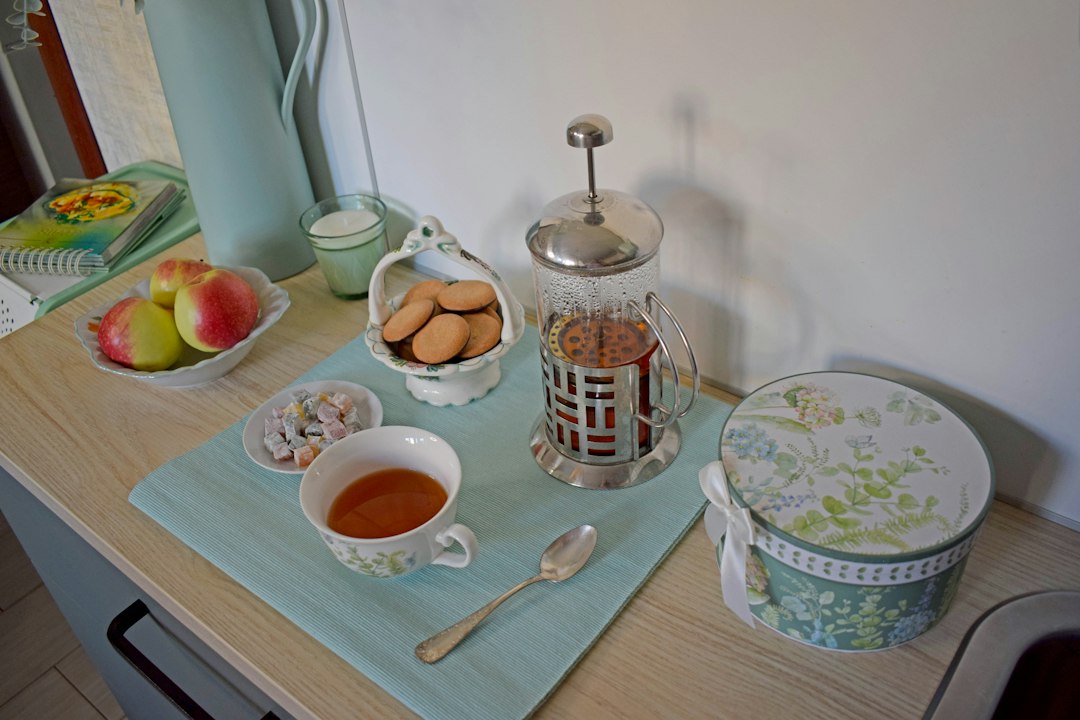
You make a mug of green tea before work, then use the same kettle for oatmeal water on Saturday. The first cup can taste sharp one day and mild the next, even when the tea bag is the same. Water temperature is one part of that difference. A kettle with temperature settings can make repeat cups easier, but it is another appliance to store and clean. Whether it earns a place depends on what you actually brew.
Start with your usual drinks
List the drinks you make in a normal week, not the ones you imagine serving at a future dinner party. If nearly everything gets boiling water, a straightforward kettle may do the job. If you switch among teas that call for different water temperatures, or want hot water ready below a full boil, selectable settings can be useful. The benefit is less guesswork: choose a setting, pour, and repeat it next time.
Tea labels and maker instructions are a better starting point than a universal temperature chart. Follow the directions for the tea you have, then adjust if the cup tastes too strong or too light. A temperature display cannot choose the steeping time or tea amount for you, and it cannot rescue a tea you simply do not enjoy. It can make one variable easier to control.
Before choosing a model, read the actual settings rather than relying on the words "temperature control." Some kettles offer a handful of fixed presets, while others let you choose a value; those are different levels of flexibility. Check whether the display uses Fahrenheit or Celsius and whether the manual explains how to select and hold a setting. If only one of the listed presets matches the drinks you make, the feature may look more useful on the box than it feels at home. A short list of settings that suits your routine beats a long list you never touch.
When a setting dial helps
Temperature control is most useful when you make several kinds of hot drinks and notice the difference between them. It can also help in a household where one person wants tea while another is making coffee or cocoa. Rather than waiting for water to cool after a full boil, you can select a lower setting when the kettle supports it. That is a small convenience, but repeated every morning it may be worth something.
For a concrete example, the Chefman electric kettle in the Melt N Sip collection is listed with seven temperature presets, a removable tea infuser, and a 1.8-liter capacity. Those details point to two separate questions: will you use more than one temperature, and will you actually brew loose tea in the infuser? See the Chefman temperature-control kettle on Amazon. Check the live listing for current specifications, price, availability, care instructions, and return terms before buying.
When a basic kettle is the better fit
If the kettle mostly boils water for black tea, instant drinks, or cooking, several temperature buttons may sit unused. A simpler model can mean fewer settings to learn and one less feature to troubleshoot. It may also be easier to choose if your kitchen is already crowded. Measure the shelf or counter spot first; kettle capacity matters less if the appliance has nowhere sensible to live.
Think about your routine at the sink, too. Do you usually heat one mug, or fill a teapot for several people? A larger capacity can reduce repeat boils when serving a group, but it takes more room and may tempt you to heat more water than you need. A compact kettle may suit one or two regular tea drinkers better. The right size is the one that matches your common pour, not the biggest number on a product page.
The infuser is useful only if you will use it
A removable infuser can simplify loose-leaf tea for someone who already buys it. It can also add a part that needs rinsing, drying, and storage. If you mostly steep bags directly in a mug, the infuser may be a nice extra rather than a reason to choose a kettle. Look at how it comes out and whether the pieces seem comfortable to wash. Confirm the maker's care directions before putting any component in a dishwasher.
Also check the basics that are easy to skip in a feature list: where the cord sits, whether the lid opens wide enough for filling, how the water level is marked, and how the kettle pours when nearly full. If you make tea at a desk or in a shared kitchen, a clear shutoff and an easy-to-grip handle may matter more than another preset. Product descriptions do not always answer every day-to-day question, so read the current listing and manual where available.
A quick way to decide
- Choose temperature settings if you often switch between drinks or follow tea instructions that call for water below a boil.
- Choose a simpler kettle if you mostly need boiling water and prefer fewer controls.
- Pay for an infuser only if loose-leaf tea is already part of your routine.
- Match capacity to the number of cups you usually make, then check the storage footprint.
One useful test is to keep a note for a week: what did you heat, and did you wish the water were cooler than a boil? If that never comes up, the extra controls may not improve your mornings. If it happens several times, temperature selection has a clear job to do. That is a better buying reason than a long feature list.
Make the purchase fit the kitchen
Before choosing, compare the kettle's settings with the directions for the teas you drink, verify its capacity against your usual number of cups, and decide whether the infuser will get regular use. Then check the footprint, fill marks, lid, pouring feel, and cleaning instructions. Ask who will use it and where it will be stored; a feature that makes one person's tea easier can become clutter for everyone else.
A temperature-control kettle is a sensible upgrade when you will use its settings often enough to notice. If your routine rarely changes, a kettle that simply boils water may be the more comfortable choice. Either way, confirm the current product details and retailer terms before ordering, since specifications, price, and availability can change.