Tea And Kettles
Gooseneck or Wide Spout? Choose a Kettle for the Way You Pour
Spout shape changes how water reaches the cup, especially when tea service moves from one careful pour to a full table. Compare pour control, capacity, and the habits that make each kettle worth its space.
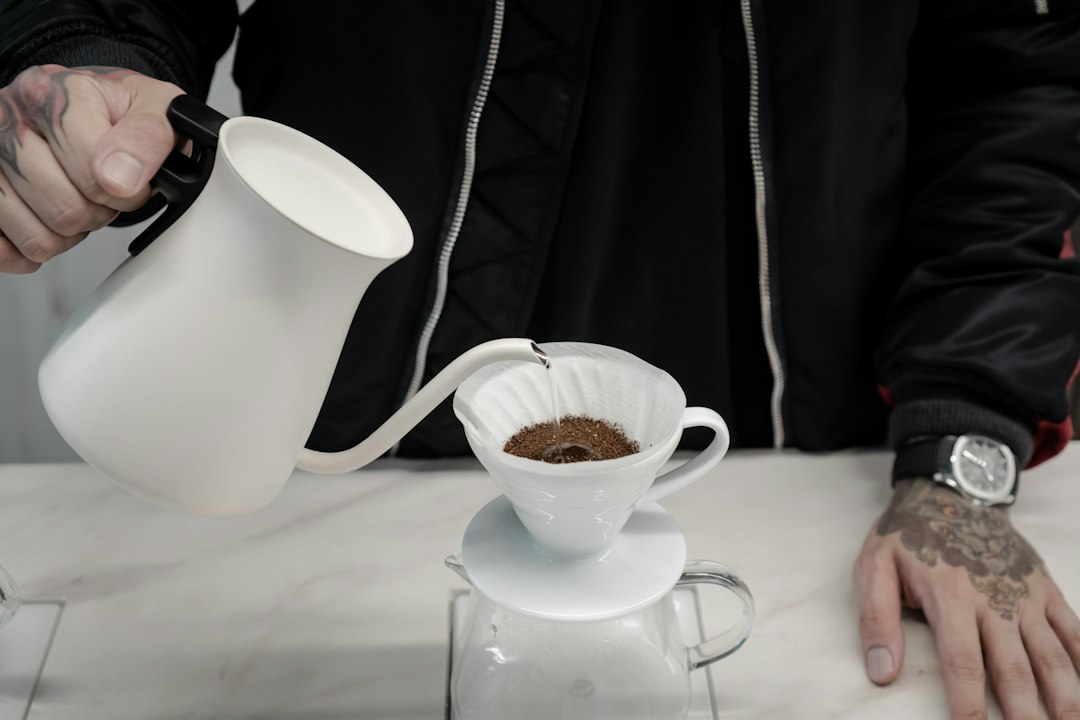
Picture a quiet cup of green tea, then picture four guests asking for refills at once. The water itself is the same, but the job has changed. One moment calls for a controlled pour; the next calls for enough hot water to keep the table moving. That is why choosing a kettle by its temperature buttons alone can miss the feature you notice every day: how it pours.
A gooseneck kettle has a narrow, curved spout that gives the pour a slower, more directed feel. A standard kettle spout is generally designed to fill mugs and teapots with less ceremony. Neither style makes better tea by itself. The useful question is whether you value careful water placement or quick, easy serving more often.
What a narrow spout changes
When you pour water over loose leaves in an infuser or fill a small teapot, a narrow stream can be easier to aim. It can help you avoid splashing the counter or pouring past a small opening. That control also appeals to people who make pour-over coffee, though a kettle used for both jobs should still fit the tea routine you actually have.
Control comes with a tradeoff: a slower pour takes longer when you are filling several large mugs. A gooseneck shape does not make the kettle smaller, but many models in this style are compact. For example, the HIYAKOI 0.8-liter gooseneck kettle is listed with temperature control and a keep-warm function. Its capacity may suit a solo tea drinker or a couple better than a crowd that expects repeated refills. Check the live product page for the current specifications and care instructions.
Think about your cup before you think about technique. If you usually pour into a small teapot, controlled flow can be handy. If your ritual is a large travel mug filled before the door closes, a slower stream may feel like a minor obstacle that you did not ask for.
When a wider, everyday spout makes life easier
A standard spout is often the straightforward choice for boiling water, filling a few mugs, and topping up a teapot. It asks less of your wrist and tends to suit households where several people want tea at different times. If guests are waiting, a direct pour is a small kindness. Nobody needs a kettle performance while the biscuits are already on the table.
A larger kettle can also reduce the number of trips back to the sink. The Chefman 1.8-liter kettle is listed with a removable tea infuser and temperature control. Its listed capacity makes it a different sort of option from a compact gooseneck model. The retailer page is the place to confirm its current controls, dimensions, included parts, and cleaning directions before buying.
Capacity is useful only if you have room for it. A larger kettle takes up more counter space and can feel awkward to lift when full. Measure the spot where it will live, including the area needed to lift the lid and pour safely. If the kettle will be tucked under cabinets, check the full height and the path your hand takes when you remove it from its base.
Temperature control is a separate decision
Some kettles let you select a target temperature rather than bringing every batch to a full boil. That can be convenient if your regular routine uses different settings for different drinks. Still, a long menu is only useful when you will use it. If you mostly make one kind of tea and are happy to let boiled water cool briefly, fewer controls may be easier to live with.
Compare the controls on the live listing rather than relying on a headline or an old product summary. Listings can change, and the product information available to shoppers may not agree on the number of presets or the exact temperature range. Confirm that the control you care about is clearly described, then decide whether it changes your routine enough to justify the added cost and counter space.
A keep-warm setting is another convenience, not a reason to leave water sitting indefinitely. It can help when you expect a second cup soon, but it does not replace checking the maker's instructions. If you brew only once, switching the kettle off and filling it again later may be simpler.
Match the kettle to the table
For a one-person setup, a compact kettle can be a sensible fit. Think about how much water you use for a mug, whether you make another cup right away, and whether the appliance has a regular home on the counter. A kettle that fits the routine is easier to keep than one bought for an occasional imaginary tea party.
For two or three people, capacity and refill pace start to matter more. A larger standard-spout kettle may be easier when everyone wants hot water around the same time. If only one person drinks tea while others reach for coffee, a smaller gooseneck kettle may still be enough. Count actual mugs, not the number of people who might someday visit.
For a tea tasting or a table with several small pots, control may matter more than speed. A gooseneck kettle gives you a deliberate pour, while a kettle with an infuser can make steeping and serving feel more direct. These are different approaches, so consider whether you want to pour water into separate pots or steep tea in the kettle itself. Follow the product's instructions about using its infuser and cleaning it.
A quick way to narrow the choice
- Choose a gooseneck style if you often fill small teapots, use a narrow opening, or want a carefully directed pour.
- Choose a standard spout if you mostly fill mugs, serve several people, or want a quick, familiar pour.
- Choose more capacity if you regularly make several cups in one round and have a stable place to store the kettle.
- Choose temperature controls or an infuser only when they match drinks you make often, not because a feature list looks impressive.
Then check the practical details: capacity, height, weight when full, handle comfort, lid access, cord and base arrangement, cleaning, and the retailer's return terms. If you are choosing between the HIYAKOI gooseneck and the Chefman kettle, compare their live pages side by side. The smaller listed capacity and narrow spout point toward a more controlled pour; the larger listed capacity and included infuser point toward a different serving routine. Those are starting points, not promises about performance.
Keep the routine simple
A new kettle will not rescue a counter with nowhere to set a dripping infuser or a cupboard that cannot fit the appliance. Before ordering, decide where it will sit, where the tea leaves or bags will go, and how you will empty and clean it. Small habits make the difference between an appliance that earns its place and one that becomes a handsome obstacle beside the toaster.
For most homes, the best kettle is the one that makes the usual cup easy. Pick the narrow spout for controlled pours and small pots; pick the everyday spout when serving speed and capacity matter more. Check current specifications, price, availability, care, and return details on the retailer page before you decide.