Tea And Kettles
Matcha Lattes at Home: Let the Kettle and Frother Share the Work
A good matcha latte starts with a small bowl of properly whisked tea, not a machine with a dozen buttons. Here is where a temperature-control kettle and milk frother help, and where a simple whisk still earns its spot.
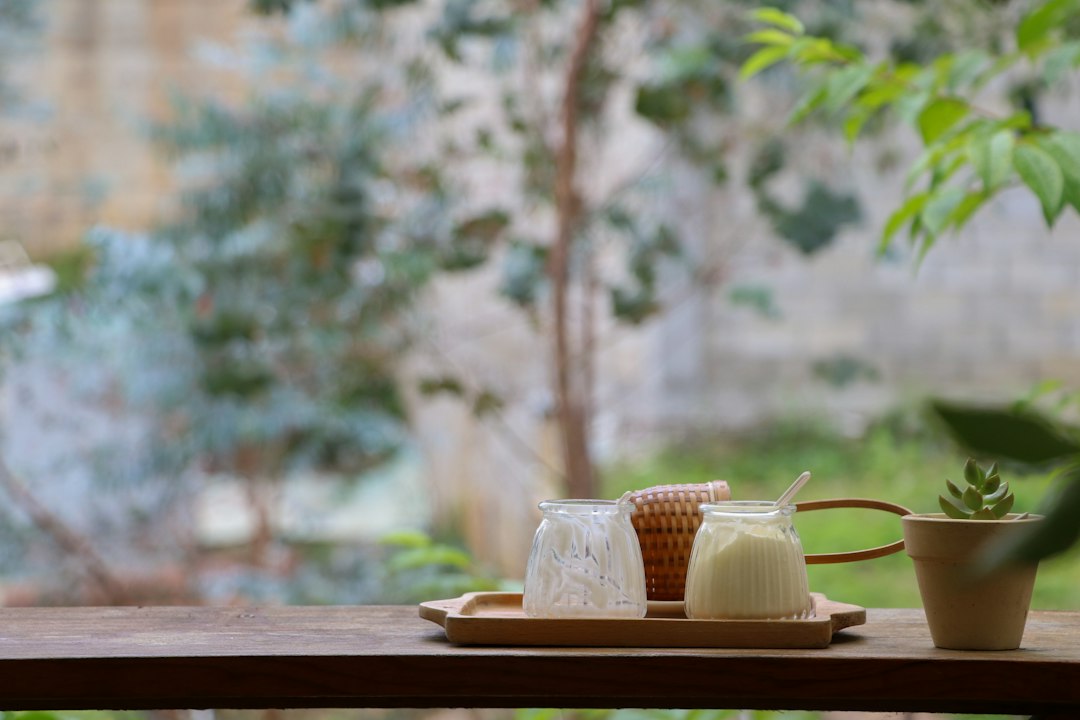
The morning is moving, the kettle is already on, and a tin of matcha is sitting beside the mugs. It is tempting to ask one countertop appliance to do everything. A better matcha latte usually comes from splitting the job: prepare the tea with a little care, then warm or foam the milk separately.
That distinction matters because matcha powder does not dissolve like instant cocoa. It needs to be mixed briskly into a small amount of water before it meets the milk. A kettle can make it easier to get water in the right range, while a milk frother can handle the warm, airy finish. Neither one replaces the small whisking step that keeps a cup from turning into a green-speckled mystery.
Start with the tea, not the appliance
Ippodo Tea's matcha latte recipe is a useful starting point: sift 3 grams of matcha, add 100 milliliters of water at 80 C (176 F), whisk for about 15 seconds, then add 100 milliliters of warm or foamed milk. That is a recipe, not a law. If you like a stronger tea flavor, use a little less milk or adjust the matcha amount next time. If the first cup tastes too intense, add milk gradually instead of trying to rescue it with a mountain of sweetener.
Sifting is worth the few seconds when the powder has clumped in its tin. Put it through a small fine sieve into a bowl or wide cup, pour in the warm water, and whisk in quick zigzags until the mixture looks even and lightly foamy. A bamboo matcha whisk is purpose-built for this job, but a small handheld whisk can work. A spoon tends to move liquid around rather than break up the fine clumps, so it is the least dependable option.
Keep the water warm rather than freshly boiling. A thermometer gives you a direct check. If you do not have one, pour boiling water into a cool cup and let it sit briefly before measuring or using it; the exact cooling time changes with the cup and the room, so use temperature rather than a fixed countdown when consistency matters.
Where a temperature-control kettle helps
A kettle with several settings reduces guesswork for tea and coffee drinkers who make different cups through the week. The Chefman electric kettle with temperature control is listed with seven presets spanning 160 to 212 F, a 1.8-liter capacity, and a removable tea infuser. That range gives you options for drinks that do not call for a full boil. Check the live listing for current specifications and details before buying.
One practical catch: the product details do not say that this kettle has a dedicated 176 F preset. If it does not, select the closest lower setting and check the water with a thermometer, or heat water and let it cool before mixing the tea. Do not assume a preset range means every temperature inside that range is selectable. That small bit of label-reading can save you from buying a kettle for a feature it may not have.
Capacity is a separate decision. A 1.8-liter kettle makes sense if you also brew pots of tea, make pour-over coffee, or serve several people. If matcha is your only reason to buy one, a large kettle may be more counter space than the routine needs. A basic kettle plus a thermometer can also do the job, especially if you are happy to manage the cooling step.
Let the frother handle the milk
Once the matcha is smooth, warm or foamed milk can go in. This is where an electric frother earns its place, especially if you already make lattes, cappuccinos, or hot chocolate. The MUMAO 4-in-1 milk frother is listed for heating up to 350 milliliters or frothing up to 160 milliliters, with hot and cold foam, heated milk, and hot chocolate among its functions. Those different limits matter: the amount it can warm is larger than the amount it can foam. Check the live product page for current capacity, care instructions, and included parts.
For a matcha latte, make the tea first and the milk second. Pour the milk into the frother only to the correct line for the setting you choose. Foam expands, and an overfilled jug can leave you with a sticky cleanup instead of a peaceful drink. When the milk is ready, pour it over the whisked matcha and stir once or twice if the layers look stubborn. A little green swirl is charming; a dry pocket of powder at the bottom is less so.
If you use plant milk, do not count on every carton behaving the same way. Some are sold in barista-style versions intended to foam, while others are made mainly for drinking or cooking. Check the frother instructions and the milk carton, then start with a small batch. If the foam is thin, try another type of milk before blaming the machine.
Choose for the routine you already have
A separate kettle and frother make sense when both will be used for more than one drink. The kettle serves tea and coffee; the frother can warm milk or add foam to other drinks. If you make matcha lattes only on weekends, a saucepan and a whisk may be enough. They take a little more attention, but they do not occupy permanent counter space or add another pitcher to wash.
Before buying, picture the full sequence on an ordinary morning. Is there room for a bowl, sieve, whisk, kettle, and milk jug? Can you rinse the frother promptly after use? Do you prefer a thin layer of foam or a thicker cap? The answers matter more than a long feature list, because the best setup is the one you will reach for when you are half-awake.
Also think about who is making the drink. A temperature display and one-button frothing can make the routine easier to repeat, but neither guarantees a better cup on its own. The matcha-to-water ratio, how well the powder is mixed, and how much milk you add shape the result too. Keep notes for a few mornings if you like: a little more matcha, a splash less milk, or a finer sift can change the balance without another appliance.
A simple first cup
- Sift about 3 grams of matcha into a bowl or wide cup.
- Add about 100 milliliters of warm water near 80 C (176 F), then whisk until smooth.
- Warm or foam about 100 milliliters of milk, following the frother's fill line.
- Pour the milk into the tea, taste, and adjust the next cup to suit you.
That measured starting point comes from Ippodo's recipe; your preferred cup may use more milk, less water, or no foam at all. The retailer's product pages can change, so confirm current specifications, price, availability, care, and return details before ordering. If your kitchen already has a way to heat water and a tool that breaks up matcha smoothly, try the recipe with those first. Buy a kettle or frother only when it solves a job you actually want done more often.