Tea And Kettles
Gooseneck Kettle or Regular Kettle? Match the Pour to Your Routine
A narrow spout gives you more control over where hot water lands, especially for pour-over coffee. Whether that control earns counter space depends on what you brew, how much you pour, and how often you want to fill the kettle.
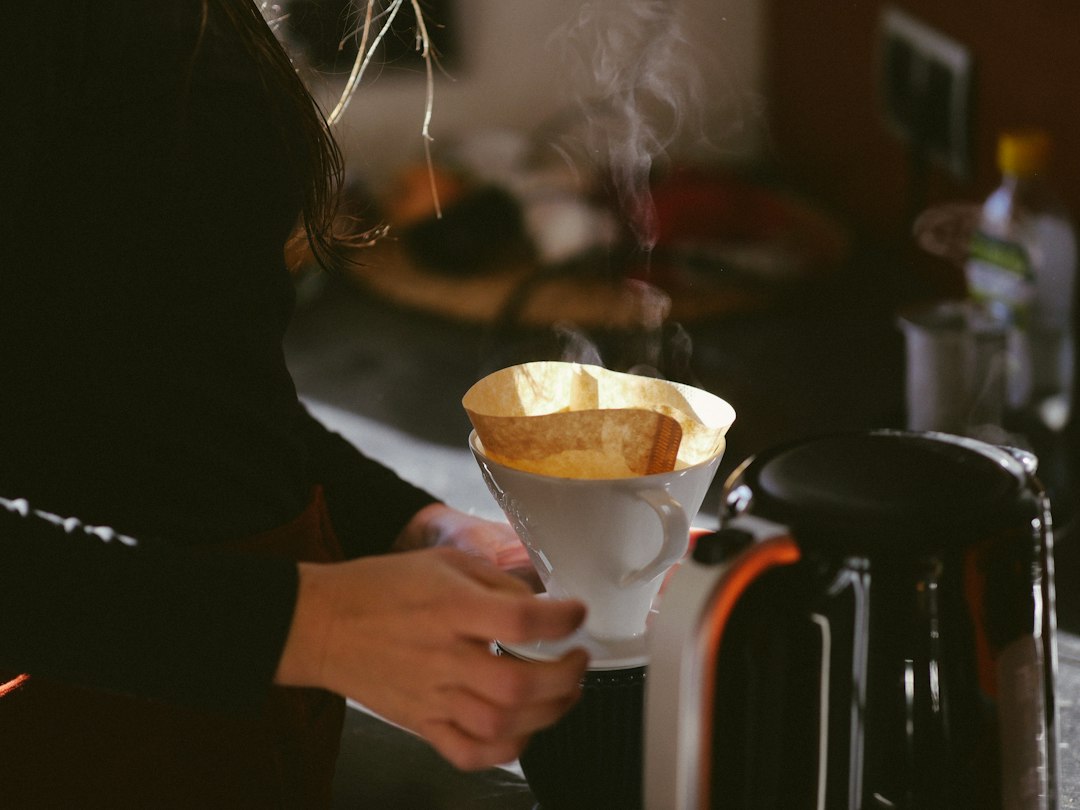
Picture two morning routines. One starts with a tea bag and a mug; the other involves a paper filter, ground coffee, and a slow spiral of water. Both need hot water, but they do not ask the kettle to do quite the same job. That is where the choice between a gooseneck and a regular spout becomes useful.
What changes when the spout narrows?
A gooseneck spout narrows the stream and makes it easier to direct a small pour. For pour-over coffee, that can help you wet the grounds more deliberately instead of flooding one patch of the filter. The advantage is control, not magic: it does not grind the beans, choose a recipe, or guarantee a better cup on its own. You still need to use a method that suits your coffee and keep your pouring reasonably steady.
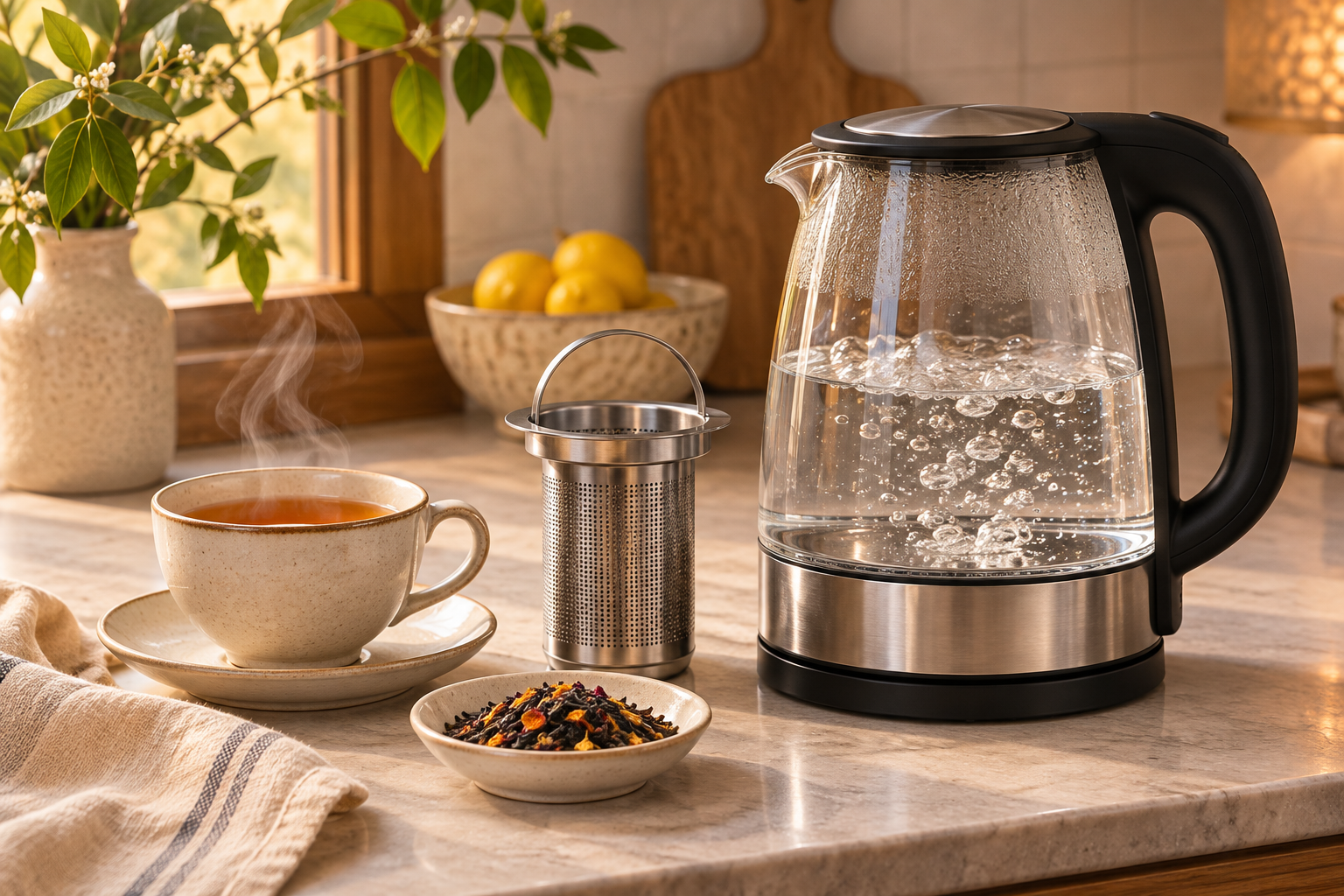
A regular kettle has a wider opening for pouring. That is often convenient when you are filling mugs, a teapot, or a saucepan and do not need to place water in one small spot. The stream may be faster, but it can be harder to slow down for a careful pour. If most of your hot water goes straight into cups, that difference may matter less than a comfortable handle, sensible capacity, and a lid that is easy to use.
Start with what is in your mug
Pour-over coffee is the clearest reason to consider a gooseneck. The brewing method asks you to pour over a bed of grounds, and a narrow stream gives you more say over the pace and location of that water. Fellow describes its Stagg EKG as a pour-over kettle with a precision spout designed for slow, controlled pouring. That is a useful example of the design goal, rather than a promise that one kettle will improve every cup.
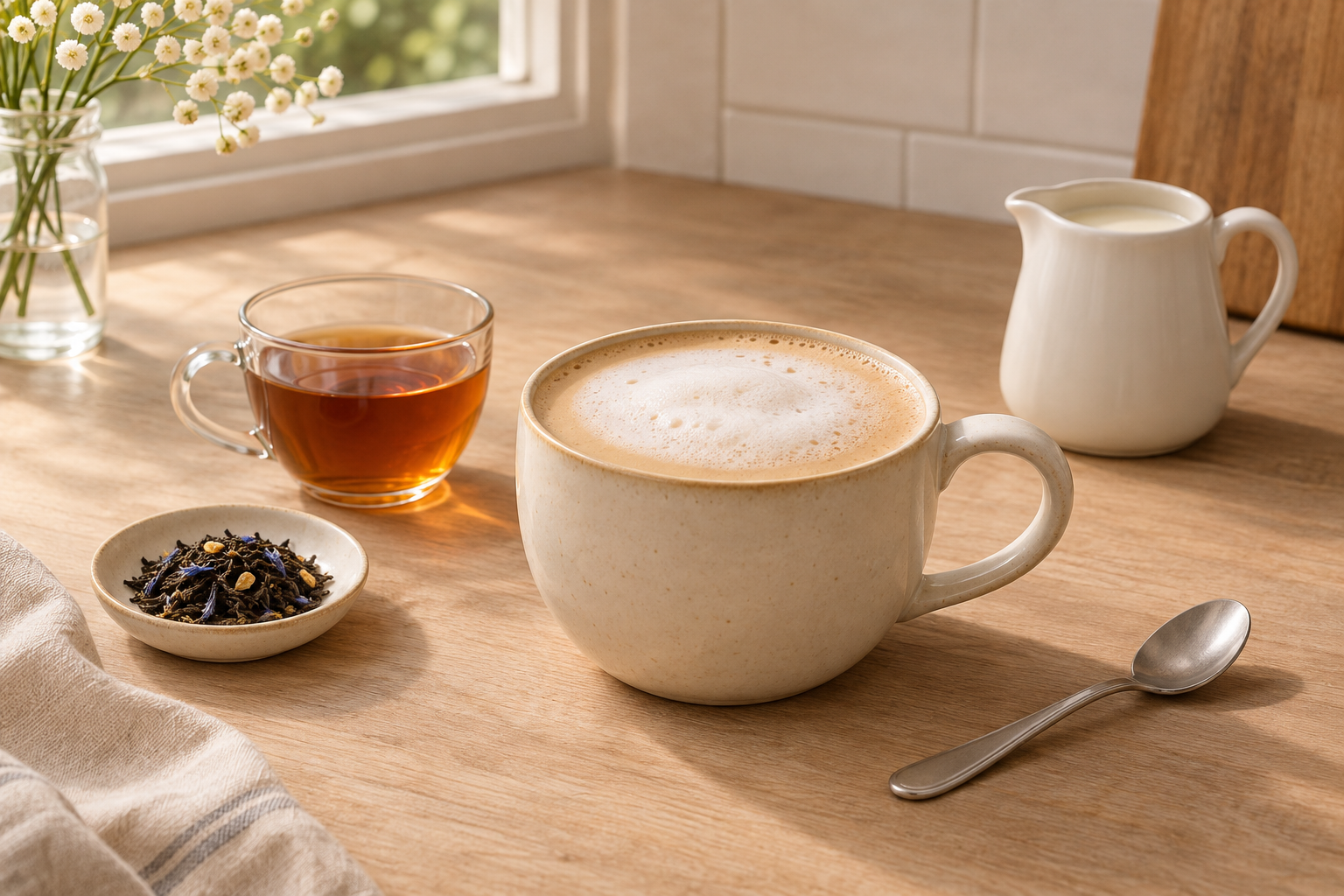
For tea, a gooseneck is a preference, not a requirement. If you steep leaves in a teapot or basket, you usually pour into a roomy opening. A regular spout may feel simpler when filling several cups. If you use a small dripper, a travel brewer, or another narrow opening, careful pouring can still be handy. Think about the vessel you fill most often, not the prettiest brewing photo you saw online.
There is a small learning curve, too. A narrow stream makes a controlled pour easier, but a very slow pour can take longer than you want on a busy morning. If you mostly tip water into a large mug, a gooseneck may feel like bringing a tiny paintbrush to fill a bathtub. Charming, perhaps. Efficient, not especially.
Temperature control is a separate decision
Some electric kettles let you choose a target temperature. That feature is separate from the spout shape: a gooseneck does not automatically mean adjustable heat, and a wide-spout kettle can have it. Consider whether you regularly follow recipes that call for a particular water temperature, or whether you are happy to boil water and let it cool a little before pouring.
One catalog option to compare is the HIYAKOI gooseneck kettle on Amazon. Its listing describes a 0.8-liter capacity, temperature control, and a keep-warm function. Those are claims from the product listing, not independent test results, and specifications can change. Check the current listing for the exact controls, capacity, plug, warranty, and care instructions before buying. A smaller kettle may suit a one- or two-person routine, but if you make several drinks in a row, check whether its capacity covers the amount you actually need.
Make the counter-space test
Before choosing, imagine using the kettle on an ordinary Tuesday. Where will it sit? Is there room near an outlet, and can you lift it comfortably when full? Will its base or cord get in the way of the coffee grinder, toaster, or the one clear patch of counter everyone is protecting?
Compare these details rather than relying on a long feature list:
- Capacity: Add up the water for your usual round of drinks, with a little room for pouring. Do not buy a party-size kettle for one daily cup unless you have a reason to keep it.
- Pouring style: Choose a narrow spout if you often make pour-over coffee or fill small openings. Choose a wider spout if quick mug-filling is the main event.
- Controls: Decide whether temperature selection or keep-warm time would change your routine. Extra buttons are only useful if you will use them.
- Handling and cleanup: Check the handle, lid opening, interior access, and the maker's descaling instructions. A kettle that is awkward to fill or clean will not become less awkward because its spout looks elegant.
For details about how controlled pouring and temperature features work on a specific design, see Fellow's official Stagg EKG kettle page. Its listed features describe that model, not every kettle in the gooseneck family. Compare the size and controls with your own routine, and check the maker's live page for current specifications and care information.
A quick kitchen test can settle the choice. Set out the mug, teapot, or brewer you use most, then picture pouring into it from the counter where the kettle will live. If a wide stream would splash or overshoot, a narrow spout may solve a real annoyance. If the opening is broad and you usually pour at once, the extra precision may sit unused. Also check whether you tend to brew one drink at a time or several. A kettle that needs refilling after every cup can turn a pleasant routine into a small queue.
Who should skip the gooseneck?
Skip it if you rarely make pour-over coffee, prefer fast pours, or simply want one kettle for boiling water without a brewing ritual attached. A standard spout can be the sensible choice for tea bags, instant drinks, and filling pots. It may also be easier to share in a kitchen where several people pour in different ways.
Choose a gooseneck if you enjoy making pour-over coffee often enough to value a slower, more directed stream, and you are comfortable with the shape and capacity. If your drinks are mostly tea, use the same test: do you need to control the pour into a narrow brewer, or would a regular spout do the job with less fuss?
There is no prize for owning the more specialized kettle. Match the spout to the vessels you fill, the amount you brew, and the counter space you can spare. If you are unsure, write down the drinks you made over the last week. The kettle that fits those mornings is usually a better choice than the one built for an imaginary version of your routine.
Retailer listings can change. Confirm live specifications, price, availability, care details, and return terms on the retailer page before ordering.