Tea And Kettles
Your Iced Tea Tastes Watery? Plan for the Ice Before You Brew
A hot cup of tea poured over ice can lose its flavor fast. Start with a measured pitcher recipe, keep track of dilution, and see whether the kettle you already own can handle the job.
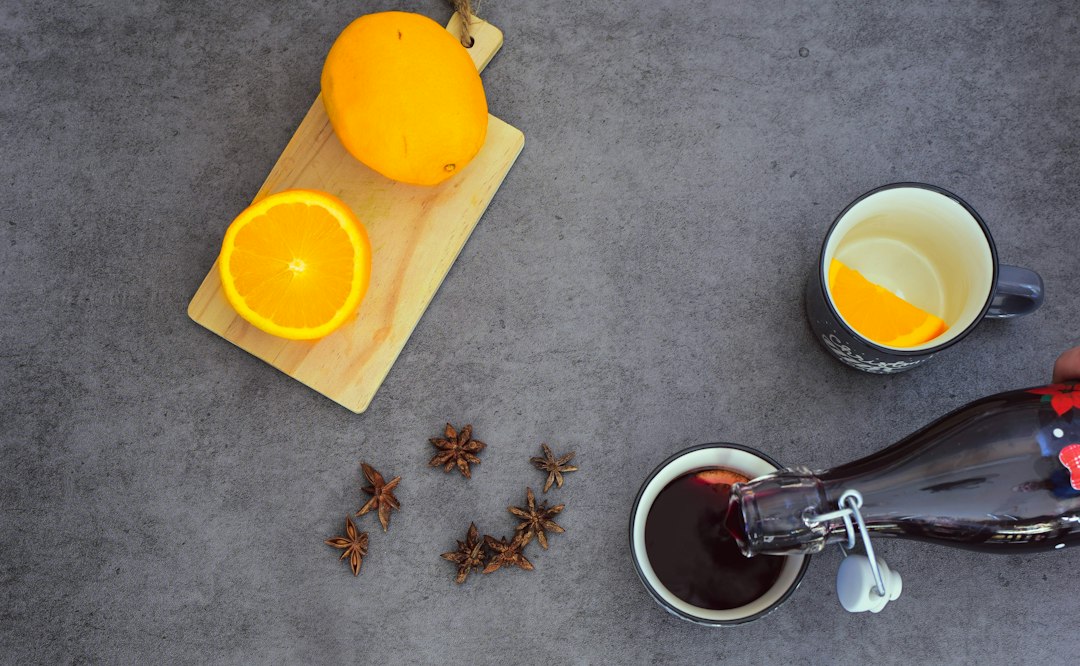
You brew a cup of tea that tastes lovely, fill a glass with ice, and pour. A few minutes later, the glass is cold but the tea tastes like it has wandered off. Before buying a dedicated iced tea maker, look at what happened between the kettle and that first sip.
Melting ice adds water. If your hot tea already tastes exactly as strong as you want the finished drink, extra water changes the balance. A recipe designed for iced tea accounts for that dilution from the start. You can try one with a regular kettle, tea bags, and a suitable heatproof vessel.
Melt N Sip Cart may earn a commission from purchases through the Amazon link below.
Choose whether ice is part of the recipe
There are two useful ways to approach a hot-brewed pitcher. You can make tea for drinking over ice right away, following a recipe that includes the ice. Or you can brew tea, let it cool enough for your container, and chill it before serving. In the second approach, you depend less on melting ice to cool each glass.
Pick your approach before measuring the water. Otherwise, it is easy to follow a pitcher recipe, add its full amount of ice, then pour every serving over another generous scoop. That extra ice may be welcome on a hot afternoon, but it also introduces another source of dilution.
For a first attempt, follow one complete recipe rather than borrowing the water amount from one and the steeping time from another. Keep your usual drinking glass nearby. A pitcher that tastes right on its own still needs to work the way you actually serve it.
A measured black tea batch to start with
The Twinings iced tea recipe uses four Lady Grey tea bags, four cups of boiling water, and four cups of ice. It specifies a three-minute steep before the bags come out. That gives you a concrete starting point instead of a vague instruction to make some strong tea.
- Put the four tea bags into a clean heatproof pitcher or heatproof measuring vessel with enough room for the finished batch.
- Heat four cups of water in your kettle, staying within its minimum and maximum fill marks. Pour the boiling water over the bags carefully.
- Set a timer for three minutes. Remove the bags when it rings; Twinings advises against squeezing them.
- Add the measured four cups of ice and stir, using a vessel whose care instructions permit the temperature change.
- Taste before adding more ice, sweetener, or citrus to individual glasses.
Those instructions belong to that recipe. They are not a universal schedule for green tea, herbal blends, or every black tea bag. If you change the tea, check its brewing directions and look for an iced preparation from its maker.
Also, four cups of ice is a measure of ice in a cup, including the spaces between pieces. Do not assume it means four cups of liquid water or promises an exact finished yield. Cube size and how you fill the measuring cup can change the result. Use a similar scoop-and-measure routine each time so your next adjustment means something.
Fix weak flavor without leaving the bags in forever
When a chilled glass tastes thin, a longer steep can seem like the obvious repair. It may also give you a more bitter drink. For its particular recipe, Twinings specifically warns against extending the three-minute steep.
Start by checking the easy things: did you use the intended water amount, remove the bags on time, and measure the ice? If you followed the recipe and still want more tea flavor, make your next small trial with a little more tea rather than automatically extending the steep. Keep the water and ice amounts steady while you compare.
Change one thing per batch. If you add another bag, steep longer, and halve the ice together, you might like the result, but you will have a hard time repeating it. A short note on your phone is enough: tea used, water, steeping time, ice, and whether you liked it. Your kitchen does not need a laboratory clipboard.
If the drink tastes harsh instead of weak, do not assume a stronger brew will solve it. Return to the tea maker's directions and check your timer first.
Let the kettle heat the water
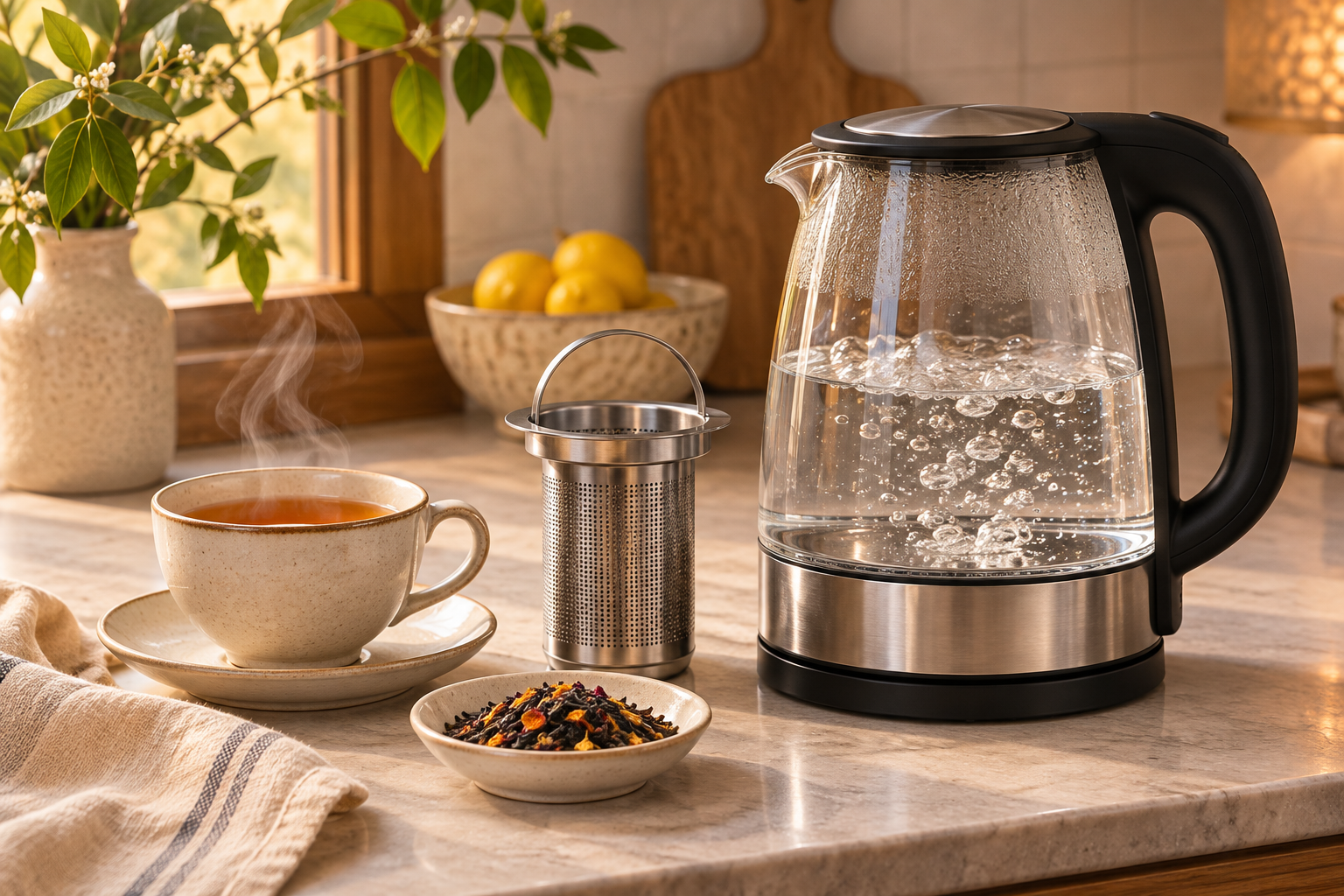
For this method, tea bags go in the separate brewing vessel. Keep sugar, fruit, and tea leaves out of an electric kettle unless its manual explicitly allows them. A water kettle does not become an iced tea brewer because it has a roomy lid.
If your current kettle can safely heat the recipe's water amount, use it before shopping. Temperature presets are not necessary for the boiling-water black tea recipe above. They may be useful for other teas, but that is a separate reason to buy.
If you do need a replacement, the COMFEE 1.7L glass temperature-control kettle on Amazon is one option to compare. Its listed capacity and six temperature presets may suit a household making both pitcher drinks and individual cups. It still leaves the measuring, steeping, and chilling to you.
Skip the purchase if your existing kettle already handles the job comfortably. Before ordering, confirm the live specifications, price, availability, care instructions, and return details on the retailer page. Check the manufacturer's permitted fill range rather than treating the headline capacity as a target you must reach.
Give the pitcher as much thought as the kettle
A pretty serving jug is not automatically safe for boiling water. Choose equipment explicitly rated for the temperatures involved, including the cooling step. Ordinary drinking glasses and decorative pitchers should not be pressed into service on appearance alone.
Set the brewing vessel on a stable, heat-safe surface before pouring. Leave enough room for ice and stirring, keep handles accessible, and avoid carrying a full hot pitcher through a busy kitchen. If the recipe exceeds your equipment's safe capacity, choose a smaller batch instead of filling to the rim.
A separate brewing vessel can be useful even when you own a handsome serving pitcher. Brew and cool in equipment designed for the task, then transfer when its handling instructions allow. The serving jug gets to look nice without taking on a job it was never built to do.
Add sweetness and fruit after you can taste the tea
Twinings suggests stirring in sugar or honey after removing the bags, while the tea is still hot enough to dissolve it. If everyone likes the same sweetness, that is convenient. For mixed preferences, leave the batch unsweetened and offer a sweetener suitable for cold drinks separately.
Taste the plain tea before adding lemon or fruit. A slice can be delicious, but it makes it harder to judge whether the underlying brew needs changing. Twinings suggests adding fruit or herbs just before serving, so there is no need to assemble a decorative fruit arrangement during the boiling-water stage.
- For a first batch, use one tea and keep the measured water and ice consistent.
- For individual preferences, adjust sweetness and garnishes in the glass.
- For repeat batches, note the change you made and whether it helped.
Start with the kettle you have and one measured recipe. If the next glass still tastes weak, check how much extra ice went into it before changing the brew. That small detail can save you another disappointing pitcher and an appliance you did not need.