Milk Frothers
Milk Frother for Iced Coffee: What to Check Before You Buy
A milk frother can make iced coffee feel more finished, but the right choice depends on cup size, milk type, and cleanup. This guide helps you compare the details that matter before you buy.
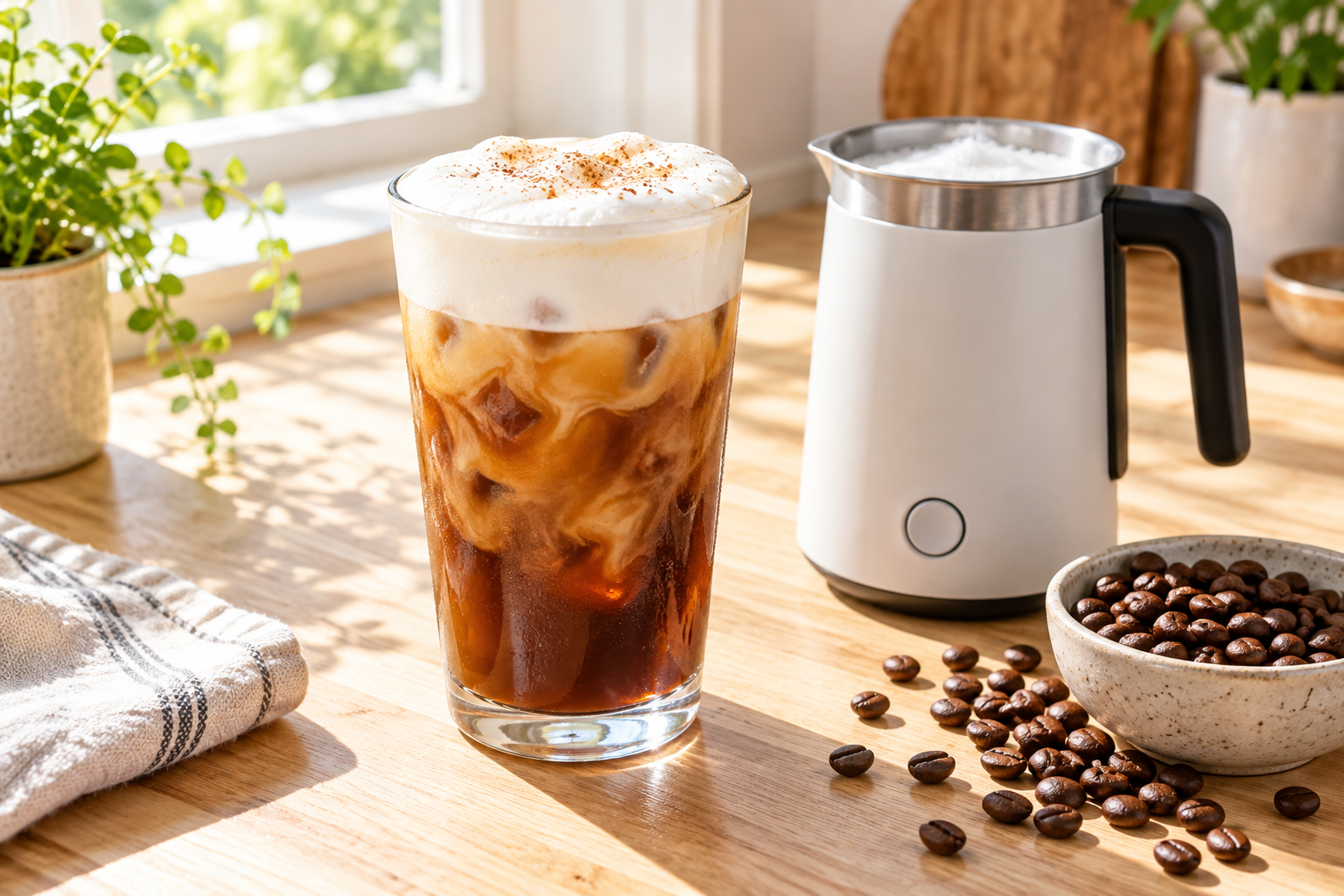
A milk frother is a small countertop tool that turns cold milk into a light, pourable foam for iced coffee, cold brew, or other chilled drinks. For readers who want a quick way to add texture without a full espresso setup, the right frother can make a drink feel more finished and easier to share. The main question is not whether a frother can make foam, but whether it fits the way you drink, the cups you use, and the cleanup you are willing to do. A compact unit can work well for one cup, while a larger model may suit a household that makes several drinks at once. The best choice usually depends on cup size, milk type, and how often you plan to use the tool. If you want a simple upgrade that keeps serving steady and cleanup manageable, a milk frother is a practical place to start.
Cup size is the first practical limit to check. A frother that fills a small travel mug may not be enough for a large glass, and a model built for a tall cup may take up more counter space than you need. Look at the maximum fill line, not just the outer diameter, because foam rises above the liquid and can spill if the cup is overfilled. If you use wide tumblers, check the opening width too. A narrow neck can make pouring easier, but it may also make cleaning harder. If you plan to use the frother for both coffee and hot chocolate, a wider cup opening can reduce the need to switch tools. The goal is a size that matches your daily routine, not a size that looks impressive on a shelf. A mismatched size can turn a simple drink into a slow, messy task.
Milk type changes how the foam behaves. Whole milk tends to make a richer, creamier foam because of its fat content, while low fat milk can make a lighter, more airy texture. Plant based milks vary widely, and some may need a little extra time or a different cup shape to reach a stable pour. If you drink mostly one type of milk, choose a frother that fits that routine. If you switch between dairy and plant based options, look for a model that is easy to rinse and that does not leave a strong residue in the cup. A frother that works well with one milk may need more attention with another, so the cleaning path matters as much as the foam result. For iced coffee, a stable foam is useful because it sits on top of the drink and gives a smoother first sip. A thin or uneven layer can still be acceptable if you prefer a lighter texture.
Power and speed are easy to overstate. A frother does not need to be fast if it makes a usable foam in a reasonable time. What matters more is whether the unit can handle your cup without overheating, without a long pause, and without a complicated reset. Some models use a simple button, while others use a timer or a dial. A simple control is useful when you are making a drink quickly and want to move on to the next task. A timer can be helpful if you like a consistent foam height, but it can also add a step if you only need a light layer. If you plan to use the frother for cold brew, check that the foam does not collapse too quickly after pouring. A stable result is more useful than a dramatic peak that disappears before the drink is finished. The best setup is one that fits your pace and keeps the counter clear.
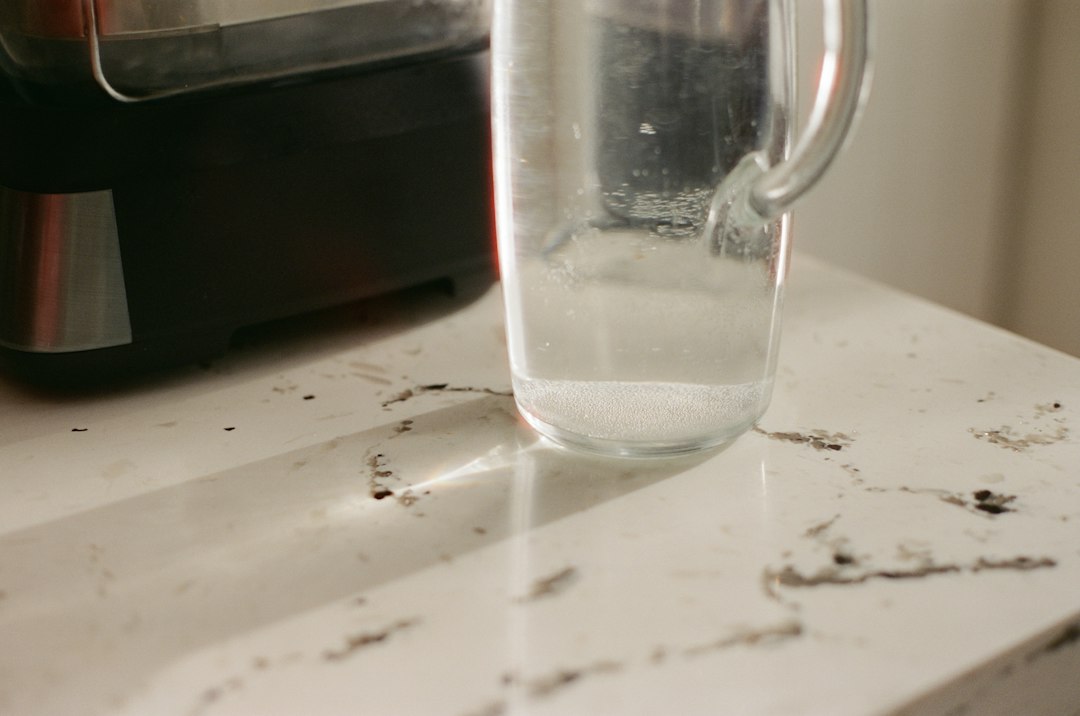
Cleanup is the part that decides whether a frother stays useful. A model with a removable cup, a wide opening, and a smooth interior is easier to rinse after each use. If the cup has a narrow neck or a textured surface, milk can dry in small spots and take longer to remove. A quick rinse after use is usually better than waiting until the next day, especially if you use the frother for both coffee and hot chocolate. If you plan to use it for a few cups at once, check whether the cup can be washed by hand without a lot of effort. A tool that needs a long drying time or a special brush may become a burden. The easiest setup is one that fits your sink, your counter, and your daily rhythm.
Counter space and placement matter more than they look. A frother may fit on a shelf, but you still need room to fill the cup, pour the foam, and clean the tool without moving other items. If your counter is tight, choose a model with a small footprint and a stable base. A unit that wobbles or needs a lot of room to work can make a simple drink feel more complicated. If you plan to use the frother near a coffee maker, check that the two tools can share the same area without crowding. A compact setup can also make it easier to keep the area clean and ready for the next drink. The right place is one where you can use the frother without creating a new bottleneck.
For most readers who want a simple upgrade for iced coffee, a milk frother with a wide cup opening, a simple control, and an easy to clean cup is the best fit. It gives you a practical way to add foam without adding a lot of counter space or cleanup time. If you use a large glass, choose a model that can fill it without overfilling. If you use plant based milk, choose a model that is easy to rinse and that does not leave a strong residue. If you plan to use the frother for both coffee and hot chocolate, a wider cup opening can reduce the need to switch tools. A good frother should fit your daily routine, not just your drink list. You can find more options at Amazon.