Tea And Kettles
A calm two-shift rhythm for tea and hot cocoa on one counter
Keep one compact counter from feeling chaotic by separating serving for tea and hot cocoa into two calm shifts, using one kettle temperature plan, quick batch logic, and one practical cleanup flow.
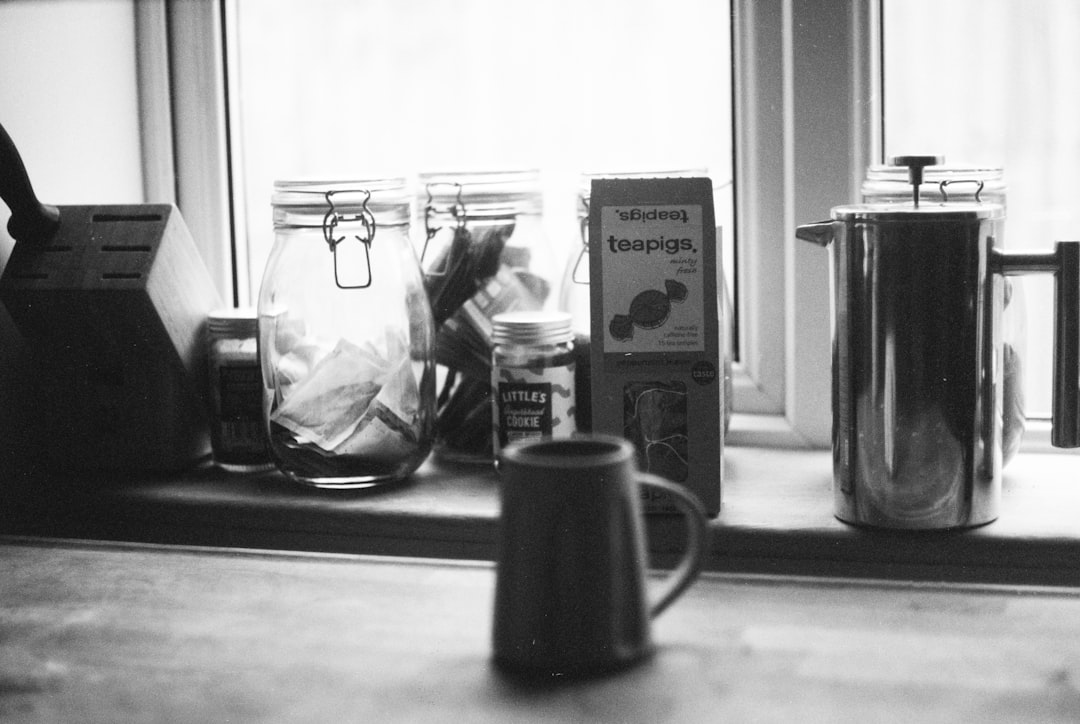
At 5:20 p.m., it is still daytime to some people and already "evening mode" to your guests. One part of the kitchen has just enough counter room for two teacups. Then one person asks for chamomile and one asks for hot cocoa, and the same pot is suddenly expected to satisfy both moods.
That is the moment many small-space hosts feel the stress spike. The kettle is either still hot, still cooling, or right in between. If you do not create a rhythm before the first request, you end up making the same drink in a new order every night. That is where your setup starts sounding chaotic even when your gear is good.
This guide is not about owning more tools. It is about getting more reliable output from fewer tools by giving your counter a two-shift flow and treating your first wave, second wave, and reset as separate tasks.
Think in shifts, not in "kettle settings"
Most counter plans fail because they begin with equipment and end with process. Reverse that. Begin with the service clock. Ask one question: when will tea stop, and when will cocoa begin?
For many homes, that looks like this:
- Shift one: early tea guests, usually between 5:30 and 6:30 p.m.
- Shift two: late cocoa guests, usually between 7:00 and 9:00 p.m.
Set those windows on paper before you start. If your home pattern is different, adjust, but keep the structure. You are creating a service script for your counter, not a product test spreadsheet.
Pick one kettle, and let it do two jobs
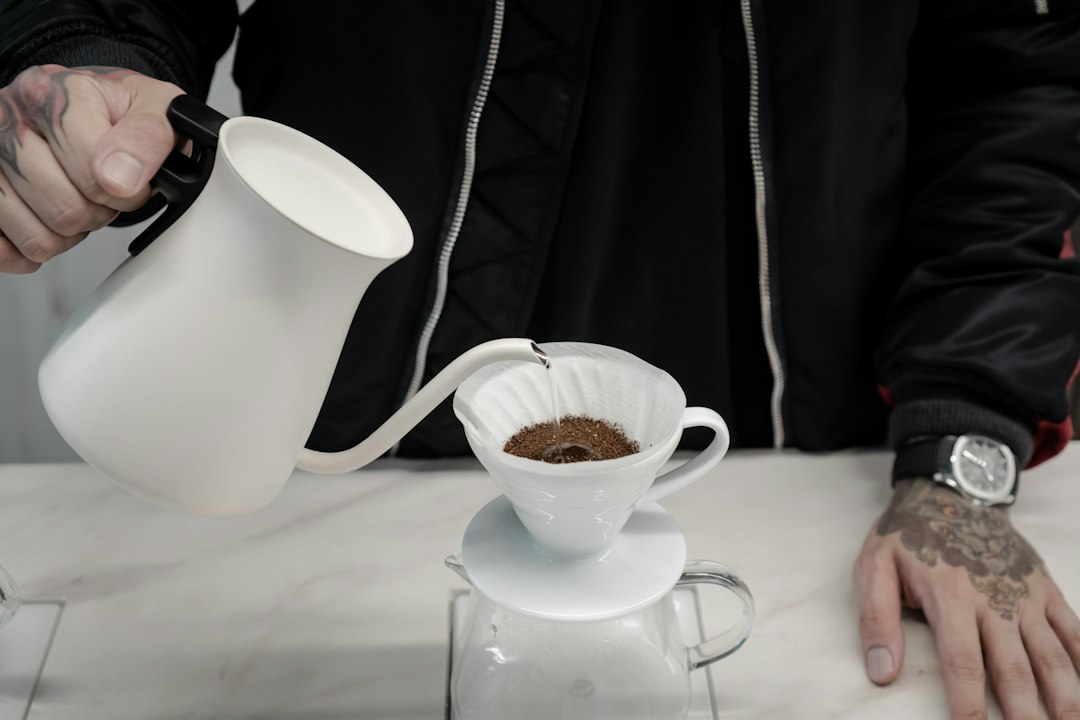
A kettle for mixed serving is not always the loudest, biggest, or prettiest model. It is better when it can hold exact temperatures for tea and then move quickly into a warm water range useful for cocoa prep.
For small counters, compact size matters as much as feature list. Seehot's small electric tea kettle on Amazon is designed for tight spaces and gives multiple preset temperature choices. Its compact body helps when the hot chocolate station and milk side are already using real counter space.
In practice, your shift plan looks like this:
- Use the first heat window for tea and keep volume modest. A small batch means fewer spills and less waiting between orders.
- When tea demand slows, wipe and dry the kettle lip immediately so no old leaf residue sits in heat.
- Before the cocoa shift, bring a small top-up amount of fresh water, not a full refill, so you can control pour speed without waiting for a long full-cycle boil.
That third step is the one people skip, and then they wonder why the second shift gets delayed. They are not running out of equipment. They are running out of flow control.
Use one hot cocoa machine to absorb the pace swing
If your setup includes only one milk tool, a hot cocoa capable unit helps because it reduces back-and-forth between a kettle and a separate device. If you already own one, this still works with your existing habits. If you do not, the right type may still be worth adding.
The Hotel Chocolat Velvetiser is built around quick drink turnaround and small-batch serving. I chose it here because the shift model asks you to make several cocoa rounds without moving your whole counter around.
You can also keep a milk frother in the same area for richer textures. The large 500 ml electric milk steamer gives two or three servings at once and can support the late cocoa wave when guests ask for creamy versions. It is also easier on your counter rhythm than a full milk setup for parties of four.
The key is this: set clear boundaries between the two waves. During Shift One, keep dairy to a minimum. During Shift Two, keep non-dairy options visible so people can choose quickly if they are taking a second cup at a slower pace. A clear choice layout reduces repeated order changes and keeps you in control of flow.
Where heat goes wrong, most times: sequence and timing
Counter pressure usually comes from one of three mistakes.
- No pre-decided order. If everyone asks for different sweet and milk options at once, the order should be fixed before steaming starts.
- One mug becomes your default cup size. When cup sizes jump wildly, your timing math breaks and everyone waits.
- Cleanup after shift change. Waiting to clean until guests leave guarantees residue build-up and weaker texture in late shift.
Fix these and your counter feels calmer immediately. The same kettle and same machine can support both drink families with no drama. You are simply switching priorities by phase:
- Speed for tea, then texture for cocoa.
- Volume for serving, then clarity in finish.
- Speed reset, then surface reset.
Make the transition practical, not dramatic
When the tea wave ends, do a two-minute reset before the first cocoa pour. Wipe the counter, swap your garnish tray, and pull a clean pot for milk side ingredients. This mini reset sounds basic, but it saves more time than adding a third kettle or bigger machine.
If you host at home, you do not need an operations command center. A small note card at the edge of the counter with three lines is enough:
Tea shift: steep and pour. Reset surface. Cocoa shift: warm, froth, pour. One counter. Quiet flow.
Guests do not need to see this card; it is for you and anyone else helping in the kitchen. A single instruction line can prevent both over-cooking and late waits.
Storage and cleanup are part of the same decision
If your plan depends on storing everything in a closed cupboard mid-service, you already made your system harder than it needs to be. Keep items you use in each shift visible, and park extras behind the appliance wall. For many homes, this means:
- Keep tea leaves and sachets in one small tray, with a lid.
- Keep cocoa powder and milk in one covered bowl near heat range but away from steam.
- Keep two cloths: one for pre-shift wipe, one for post-cocoa wipe.
This is not glamorous, but it is what makes guests stop noticing the machine work and start enjoying the drinks.
When this setup is not the right fit
There are homes where this model will still fail. If you host mostly for toddlers, you may need separate station logic for heat safety and supervision. If two people are hosting at once and your counter has heavy traffic from the sink, a larger dedicated station can reduce collision. If you need five different milk options, the mini milk steamer might force you into too many small swaps.
That is fine. The point is not to force one layout into every apartment or every kitchen. The point is to give you a repeatable two-shift model that works for a compact space and to keep your service calm from first cup to last.
Quick final decision points before your next invite
When planning your next tea and cocoa night, choose one rule for each shift, not a full shopping list:
- Tea Shift Rule: one temperature, one batch size, and one milk plan.
- Cocoa Shift Rule: one foam option, one serving speed, one cleanup move after pour.
This is the setup that keeps one counter useful without feeling crowded. Start with your timeline, then let the tools follow it.
And before you buy anything, check the live retailer page for current details, return options, and available quantities, since those details change faster than home recipes.