Tea And Kettles
Compact counter temperature map for tea, coffee, and cocoa service
A small counter can still feel effortless when you stage tea, coffee, and cocoa by temperature order and not by panic. This guide shows a practical sequence that keeps tools ready and guests happy during mixed-drink runs.
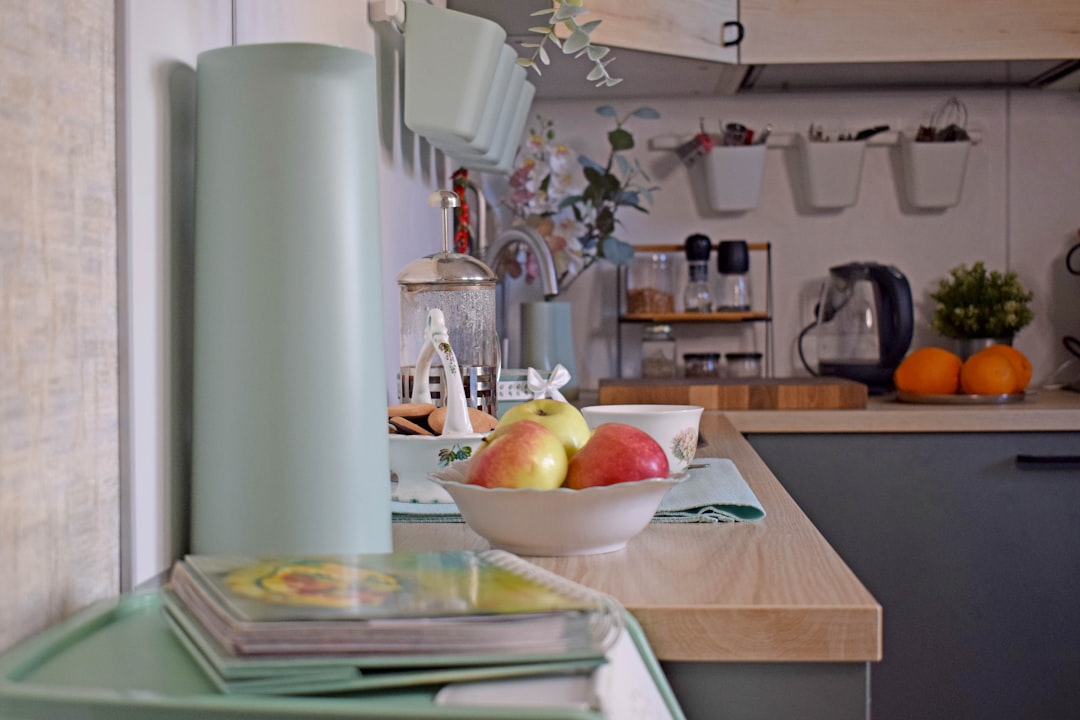
At 6:15 p.m., you set three drinks in motion before most guests sit down. One person wants coffee, one asks for hot cocoa with extra foam, and another has not decided between tea and a late-night latte. The counter is tidy, but the clock starts running and now you feel the first heat surge from the kettle, foam line waiting on the milk wand, and one guest already waiting at the table.
This is not a failure in timing. It is a failure in sequencing. Most drink counter stress comes from choosing the next step by mood instead of by temperature order. Once you build a temperature map, your counter no longer feels crowded.
Why sequence beats speed in mixed drink planning
If you ask many home hosts what goes wrong, they will say the same thing: water gets too hot, milk steamer settings stay wrong, and the last drink gets rushed. That usually happens because each beverage has a different hot-water and milk behavior, but the counter is treated like one straight recipe. Tea, espresso style coffee, and hot cocoa are not in a straight line.
Tea usually rewards steadier, lower heat windows. Espresso style coffee needs fast, stable water and short transfer moments. Cocoa can feel simple, yet it punishes poor temperature discipline because chocolate compounds set texture fast when over-heated. This is why a “first come, first go” approach feels chaotic.
Set a three-step temperature map
Build the order in three buckets before a guest even asks for their drink. This is the part that saves the day.
Bucket one: hot water jobs that require control. Reserve these for your kettle first.
Bucket two: milk texture jobs that are sensitive to heat and timing.
Bucket three: cocoa or milk-heavy drinks that need gentle stirring and final texture pass.
You do not need a large workstation. You need one clear map. Keep it in your head as Heat setup, milk setup, finish setup. It sounds simple, but it prevents overlap errors.
Start with the kettle as the anchor
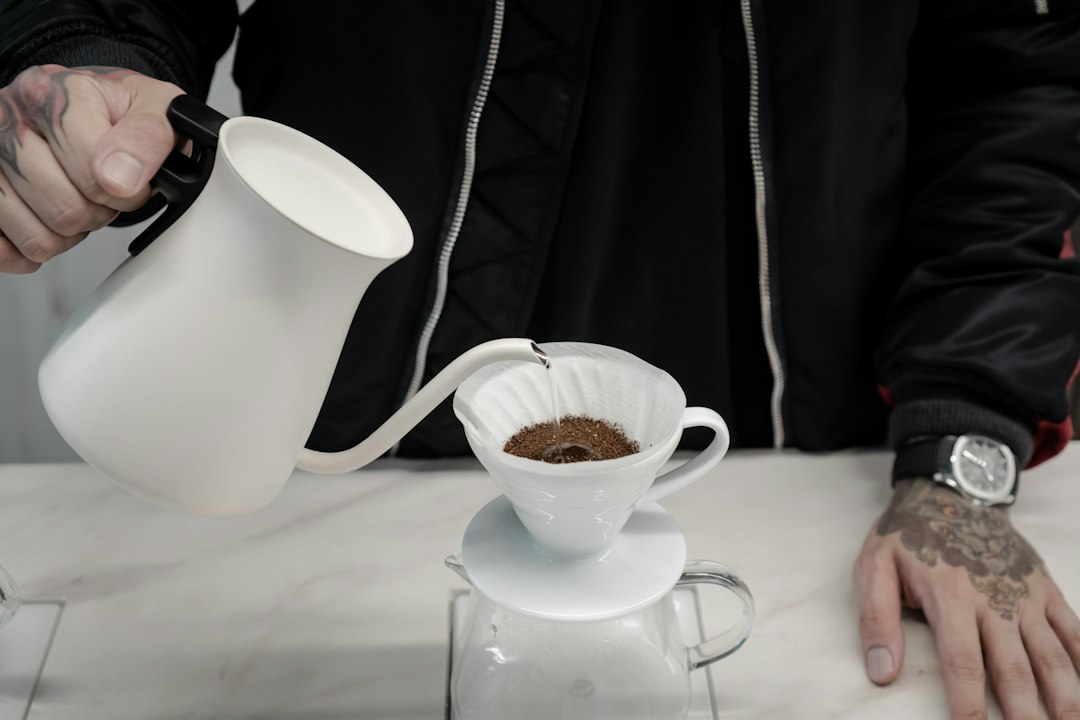
Pick the kettle as your first active tool because it affects every drink path. A temperature-control kettle gives you a real advantage here. Instead of guessing at settings, you are deciding windows in advance. For tea, many brewers are happiest when they do not overshoot. For coffee, most people do not need a simmering boil, just stable heat. For cocoa, you want warm water and controlled delivery, not a scorching rush.
If your station is really small, keep the kettle and a clean pitcher on the same visual line. Let the kettle produce the first burst of hot water, then move to milk prep.
Bucket two: the milk tool as a shared bridge
Your milk steamer/frother should not jump in at the start of every task. Put it into action only once the first drink water path is stable. Most hosts get into trouble by making too much milk texture too early and then waiting too long. By the time the first drink is ready, that milk is already collapsing or losing texture.
The practical order is always: water path first, then milk path. That keeps the milk in the final shaping position rather than holding heat in limbo. Keep a single transfer station on the counter for the steamer wand and a second station for cups and spoons so cross contamination is not a fight.
Use a service loop for live guests
Once you have two drinks in process, switch your language from product names to actions. Instead of asking “who wants foam?” ask “who wants round heat first?” Your goal is to keep a loop:
- Move hot water.
- Position the milk and begin texture pass only if ordered.
- Finish the drink and return tools to standby.
One loop at a time means fewer panic stops. A loop is also easier to repeat. Guests may ask for a second round of cocoa while the next person starts tea. Keep looping and do not restart from scratch.
Decision map for mixed sessions
Here is one practical split for small counters:
- Tea requested first: draw water to a stable tea temp window, pour with rhythm, then keep kettle warm for second cups.
- Coffee request comes in: keep water control steady, then pull milk texture only when a coffee drink is confirmed.
- Cocoa request lands after milk is steamed: finish the milk batch immediately into one temporary container and move to cocoa topping pass; then reheat from kettle only as needed.
This order sounds strict, but it is flexible if you track each step. The main rule is not to start a hot process that can be paused before you have an order in front of it.
Common mistakes and simple fixes
Mistake one: running one tool too far ahead. Fix: complete one step, park the tool, then move on.
Mistake two: using a single cup space for both hot water and milk. Fix: label one station area as water, one area as milk and clean it in between.
Mistake three: serving while tools are still hot from previous batch. Fix: always pause for 15 seconds before touching and place a brief clean rinse pass. It feels like a delay but it cuts burns and spills.
In a small kitchen, these are the habits that create smooth hosting. A neat counter is not about less activity. It is about fewer simultaneous temperature events.
Micro schedule for a 20 minute hosting window
Minute one: heat water to the first drink setting and prep your base mugs. Minute two: set your milk tool output path and clean tip after each use. Minute three: serve first cup and return tools to neutral position. Minute four: re-check kettle setting for next order and confirm no lingering milk on edges. Minute five: repeat the loop for second round.
That is not complicated, but repetition makes it natural. The less you decide in the moment, the less you overreact under pressure.
Tools that fit a compact counter
Use products that can hold clear temperature windows and clean quickly. The options below fit a compact routine and link to their Amazon listings.
- YDDZZM Gooseneck Electric Kettle on Amazon for stable pour control and faster setup.
- KIDISLE 5-in-1 Milk Frother and Steamer on Amazon for milk texturing when cocoa and coffee overlap.
Quick note: these examples are for comparison. Confirm the current price, listing details, and return policy on each product page before checkout.
What the map looks like in your week
Think of this as a reusable routine, not a one-night test. If you host two people on Friday and eight people on Saturday, the same sequence still works. You only adjust batch size and cup flow. The map keeps your routine from becoming a new emergency each time the guest count changes.
Another advantage is emotional calm. Hosts often say, it looks calm because the order is simple
. That calmness is built by deciding first where each temperature step lands, not by speed alone. If everyone reaches for hot beverages at once, you can still stay smooth because your loop is predetermined.
Bottom line
Small counters win when you stop improvising temperature order. One anchor tool, one milk loop, and one finish rhythm are enough. That is how you run tea, coffee, and cocoa together without giving one drink the oxygen it should not have while the others wait.
Make your own test next week with one small batch. If your routine still breaks, reduce the initial sequence, then add one extra cup at a time until pace feels natural.