Tea And Kettles
How to choose one temperature-control kettle for tea and espresso moods
Two different drink rhythms, one counter, and a lot less cleanup stress. If you want one kettle that can handle tea mornings and espresso evenings, compare these real-world requirements before you buy.
At 6:45, your kitchen still looks quiet, but your plan for the day already has three cups stacked in your head. You want a first steep for tea before the office, then a late-day espresso, and maybe one cup of hot water for a cocoa topping after guests arrive. If that sounds familiar, your shopping list is probably asking for the same thing: a kettle that can keep your flow simple, not a bigger gadget stack.
That is why most people buy the wrong kettle, even with good intentions. They choose by headline and forget that each home has a rhythm. A two-person morning tea sequence has a different water demand than a longer evening hospitality cycle. When you compare kettles only by feature checkboxes, your decision often fails in the first week of actual use. Use your routine as the reference point, then evaluate the tools against that map.
Use three practical checkpoints, not ten technical specs
First checkpoint: what are your most common target temperatures? Some teas taste best just under a boil, while espresso prep wants water control for brew consistency. If you skip this step, presets are just buttons. A good map starts with a small list of temperatures you truly use.
Second checkpoint: how much water do you use before each reset? A model with a larger tank works well for a family meal, but it can slow your timing when you only need a narrow two-cup run. A smaller model can feel faster and cleaner for short routines, then force more reheats if your habit is bulk-heavy.
Third checkpoint: does the kettle recover gracefully after pouring? You want reliable control and repeatable behavior, not drama each time you move from one drink to the next. This is where a second or third model from the same category can feel better in person than on paper.
The Chefman model for larger service windows
The Chefman 1.8-liter 5Preset kettle on Amazon targets people who need volume and predictable heating. The larger body can be useful for multiple small sessions if you do not want to reboil after every pour. The removable tea infuser is easy to add to a routine where tea is part of your daily workflow.
In return, the kettle takes longer to swing from hot to ready compared to a small model. If your use is mostly one or two small batches, you pay with heat waiting time. A reliable way to test this is to time your own rhythm instead of guessing. If the model still feels slow on a typical day, then capacity has helped less than it hurt.
The HIYAKOI kettle when pour control matters most
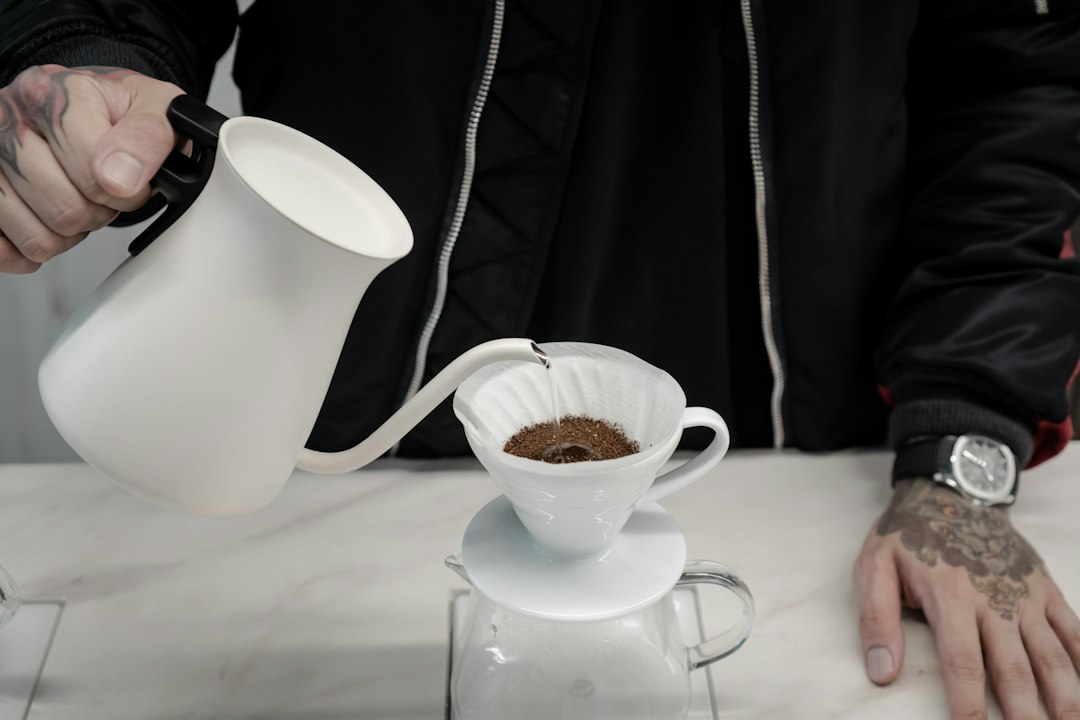
The HIYAKOI gooseneck kettle on Amazon helps people who want more precise pour behavior for single-cup or careful steeping moments. If your routine includes a pour-over coffee step with a direct transition to tea prep, this style can reduce hesitation. The compact tank and rapid heating can also feel less bulky in a tighter counter plan.
The tradeoff is not speed in every situation. If you run longer warmwater duty in the same run, you may still want extra reserve. Also, a precision style can feel fussier for people who prefer to keep things simple. A precise pour is useful only if your process is prepared to use it.
The COSORI style for simple multi-step routines
The COSORI kettle on Amazon with six presets is useful for households with short service windows separated by pauses. Keep-warm can be helpful, especially when a second drink comes later in the same hour. This model can support tea first, then a second pour, without adding too many menu-level decisions.
Keep-warm is convenient, but it can also invite longer idling if you leave everything set too long. A short cycle helps, but a long default can create stale habits. Pick a model that works with your own timing discipline, not a default setting you never touch.
Build your decision the human way
After you narrow to a short list, do not browse forever. Compare only what your home actually asks for. The checklist below keeps the buying loop short and practical:
- Which two to three temperatures do I truly use every day?
- Do I serve one drink repeatedly or several small batches?
- Does cleanup happen during a break or at the end of the whole session?
- Do I pour often, or mostly pour once and keep using what is in the cup?
- Can I keep the station tidy with the current amount of counter space?
If a kettle fails this list in two or more places, it is usually not the right one for your home, even if the specs look good online.
Where beginners overpay in hidden ways
The most expensive mistake is buying a model because it sounds advanced. A feature-heavy control panel can still underperform if it does not match your routine. If your mornings move fast, a straightforward interface may beat a dozen hidden options. If your evenings include guests, then a model with predictable keep-warm behavior can reduce the urge to overboil and reheat.
Look for consistency, not theater. The goal is not to own the latest gadget. The goal is less confusion at the moment you reach for the kettle handle.
Safety and maintenance habits that keep results stable
Any kettle, even the best one, needs simple care. Wipe the rim after use, keep the spout area dry, and avoid letting the body sit with warm water for long unattended windows. If there are spills around milk or syrup, clean them before they harden. This is the same reason routines stay reliable week after week: not because the kettle is "smart," but because your use pattern is stable.
For hosting flow, this matters most near the end of service. The last pour in a session is often when people rush and forget the rinse cycle. If that happens, build one fixed stop point: a two-minute wipe-down and a short drain before you close down. That small move removes a lot of frustration.
When one kettle is still too much
Some people still decide they truly need two kettles. That is okay, as long as the split is intentional. A compact, quick heating model for tea and a larger, stable model for service is not a failure. It is a clean solution when time pressure is part of your routine. The wrong move is having two models you do not actually use well.
So ask yourself, before adding a second purchase: does my counter plan already have room for two tools, and can I keep both clean on the same schedule? If not, a single model with clear presets and a repeatable pour might still be the better move.
Conclusion: pick by rhythm, not by labels
Pick the kettle that supports your rhythm and then let the details fit naturally. A few users start with the large tank and end up with short reboils. Others start with precision and end up overthinking each pour. If that feels like your pattern, use the checklist above, compare these three options against your own schedule, and decide which behavior saves you time. You want fewer decisions, not fewer tools for no reason. Your tea and espresso routine will feel calmer when the tool matches the way you move.