Milk Frothers
Plant-Based Milk Foam at Home: What to Try Before Blaming the Frother
Oat, soy, and almond drinks can behave differently in the same frother. Start with the carton, temperature, and fill line before shopping for a new machine.
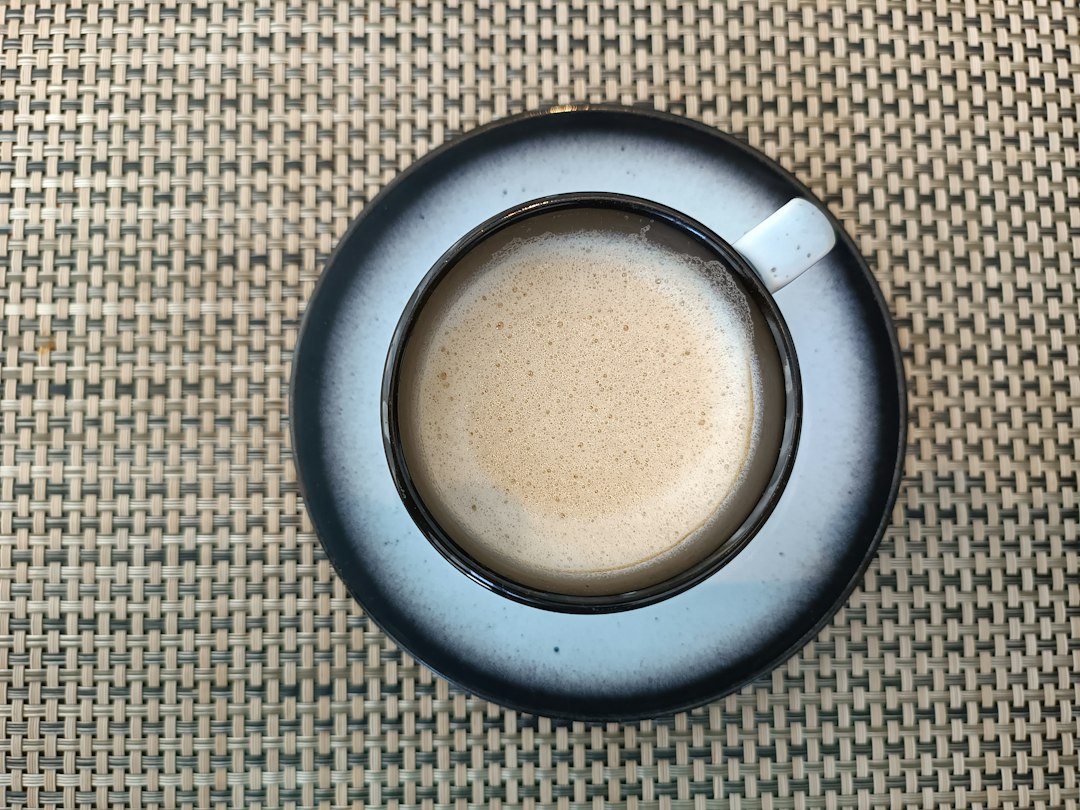
You pour your favorite oat drink into the frother, press the button, and get a warm cup with a few bubbles floating on top. The machine may be fine. Plant-based drinks vary, and a small change in the milk, starting temperature, or fill level can change the foam you get.
That is worth sorting out before adding another appliance to a crowded counter. A better first step is to treat frothing as a short kitchen experiment: change one thing at a time, keep the cup size modest, and see what your particular carton and machine can do.
Why one carton foams and another does not
Oat, soy, almond, and other plant-based drinks are not interchangeable ingredients. Their recipes differ, and the result can vary by brand and style. Even two cartons with the same main ingredient may act differently in a hot latte or a cold coffee. Nespresso's guidance for its NanoFoamer says plant-based drinks such as soy, almond, or oat can be used, while noting that foam volume depends on the beverage and its temperature. That is a useful expectation to carry into your own kitchen: a frother can make foam, but it cannot make every drink behave identically.
If a carton offers a barista-style version, it may be worth trying when foam is your priority. Oatly, for example, describes its Barista Edition as foamable. That is a claim about that product, not a promise that every oat drink will give the same result in every machine. Check the ingredient and storage instructions on the carton, and keep the package cold if that is how it is meant to be stored.
A small test beats a full recipe
Before making two drinks for guests, test a small portion for yourself. Use the amount recommended by your frother's manual, since some machines have separate minimum and maximum fill lines. Start with the drink chilled, then use one setting the machine identifies for foam. If it comes out too loose, try a different carton before deciding the machine is the problem.
Keep the test simple. If you change milk type, temperature, and setting at once, you will not know what helped. Note the carton and mode that worked, even if the note is only a quick phone reminder. A little record saves you from repeating the same disappointing experiment next week.
- For cold coffee, choose a cold-foam mode if your appliance has one. A hot setting may warm the drink when you only wanted a topping.
- For a latte or cocoa, follow the machine's warm-foam or steamed-milk instructions rather than filling it to the brim.
- If the foam is thinner than you hoped, try a different plant drink or its barista-style version before increasing the serving size.
Do not assume a longer cycle will fix weak foam. The machine's manual is the right guide for cycle time, fill limits, and whether a particular drink is suitable. A few extra minutes can turn a straightforward drink into a cleanup project, especially if milk reaches parts that are not meant to get wet.
Pick the texture you actually want
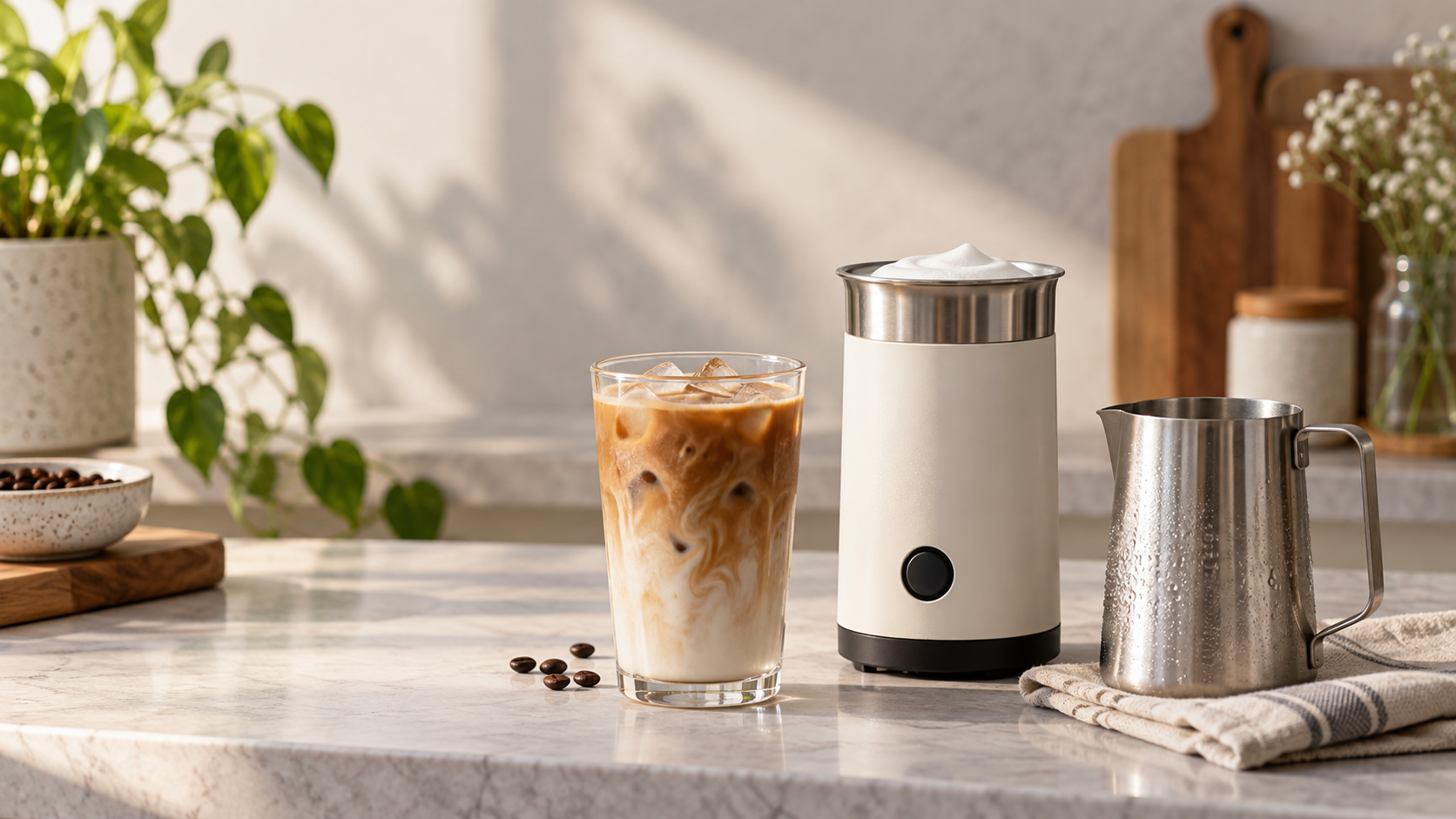
For an iced coffee, a light cap of cold foam may be plenty. You do not need a tall, stiff mound if the foam is going to disappear into the first sip. For a hot drink, steamed or warm milk may matter more than dramatic foam. Decide whether you want a cool topping, a warm layer, or simply heated milk, then look for a machine that names the mode you will use.
That distinction helps when comparing buttons and feature lists. A machine with several foam and milk settings can cover different drinks, but more modes do not guarantee that your preferred carton will produce a certain texture. Consider fill capacity too. A small single-serving frother suits a one-cup routine; a larger vessel may be more convenient when you regularly make drinks for two. In either case, check the stated frothing capacity, which can be lower than the amount the vessel can heat.
For example, the KIDISLE 4-in-1 milk frother is listed with cold foam, two hot-foam styles, and steamed milk. Those mode options may suit a household that switches between iced and warm drinks. The product listing does not establish how every plant-based drink will perform, so check the current maker instructions and retailer details before choosing it.
When a handheld wand makes more sense
If you only froth milk now and then, a handheld wand can take less shelf space and costs you less counter real estate, even if it still needs a drawer or cup to live in. You control the depth and movement, and you heat the milk separately when you want a warm drink. The tradeoff is that it asks for a little more attention. A countertop frother can heat and mix in one vessel, but it occupies a permanent patch of kitchen and brings a vessel to wash.
Think about the actual routine rather than the most elaborate drink you might make once. Do you mostly pour a splash into coffee? Do you make cold foam several mornings a week? Do you want to prepare hot chocolate as well? A simple wand may be enough for occasional topping. A countertop model is easier to justify if you regularly use its heating or multiple foam settings.
A quick troubleshooting order
If your next cup still lacks foam, make one change at a time:
- Check the machine's fill marks and use the setting intended for the drink you are making.
- Try a fresh, properly stored carton, starting chilled if the appliance recommends it.
- Test a different plant drink or a barista-style carton, then compare the result.
- Read the manual for milk compatibility and cleaning instructions before trying another cycle.
If the drink tastes good but the foam is modest, you may already have the right setup. Foam is a texture choice, not a scorecard. A little soft froth can be exactly right over iced coffee, and warm milk without much foam still makes a pleasant mug.
Keep the purchase decision grounded
Before buying, write down your most common drink, whether you want hot or cold foam, how many servings you make, and where the appliance will sit. Then check the real frothing capacity, the available modes, and the care instructions. If you are choosing between a wand and an automatic machine, the deciding factor is often less about foam quality than how much hands-on work you want during a busy morning.
Product details and care guidance can change, so confirm the current specifications, price, availability, and return terms on the retailer page. Choose around the carton and routine you actually use. If a new milk is the only change you need, your existing frother may deserve one more try before it gets replaced.