Tea And Kettles
Three signals your kettle routine needs an upgrade
If your counter feels busy because tea, coffee, and hot cocoa all fight for the same kettle, this guide helps you decide whether a better kettle can actually simplify the routine instead of adding noise.
When Mara starts her weekend like everyone else, she makes tea first. Then she starts the kettle again for cocoa before lunch, and again for espresso milk drinks before guests arrive. By 6:00 pm she has already touched the same hot-water tool five times, and each touch feels like a little reset: rinse, wait, adjust, then hope the next drink does not taste flatter than the last.
That is not a dramatic scene. It is kitchen rhythm. A good routine is a kindness to yourself. A bad one steals energy without warning. If your hot-water station keeps turning into triage mode, you may not need three tools yet. You may just need to upgrade one kettle at the right point.
Signal 1: your current setup keeps asking for the same missing setting
Different drinks need different water handling. Not all of them need precision, but many do.
Tea is easier if the water reaches stable heat quickly and stays stable long enough to pour evenly. Hot chocolate, especially if you are steaming milk separately or mixing thicker cocoa, often feels better when water timing is predictable and repeatable. Espresso milk drinks are less about how hot the kettle gets once at boiling and more about how you stage temperature so milk gets the right treatment downstream. The overlap is real, but it only works when your sequence is deliberate.
If you find yourself guessing at settings every session, you are not failing at routine. You are missing a tool profile that matches your real sequence. In one household this means too many "almost right" pours. In another it means always over-warming milk and then cooling it again. The pattern is the same: a kettle can be useful and still be a weak link if it cannot support your daily decision tree.
Signal 2: speed becomes your only quality control
A fast boil is not the same as a good result. Many tools deliver that. Fewer tools make the whole process easier when the rest of your station is compact.
Watch your own flow for one morning and one evening run. If one drink always takes an extra five minutes because you are waiting for temperature to stabilize, you are paying for the same utility with less clarity. If your cocoa side repeatedly runs hot while your tea side runs dull, the issue might be inconsistent control. If you are adjusting settings by habit instead of routine, your kettle is trying to cover two workflows with no visible boundary.
Upgrading does not mean adding complexity. Sometimes it means removing complexity. People often expect better tools to add controls, but what matters most is fewer decisions under pressure.
Signal 3: your counter gets dirty faster than it gets cleaner
You can tell a lot about a routine from the cleanup window. If your kettle and related tools are always behind, the upgrade problem is often timing and heat behavior, not effort.
Compact counters make this obvious. You may start day with a clean counter, then spend more time cleaning in between drinks than making them. If your sequence ends with splatter, residue, and sticky rims, the bottleneck is usually not your work ethic. It is that your process expects a lab-like workflow from a utility tool.
For many home hosts, this is where a better kettle helps quietly: fewer unnecessary reheats, less overboiling, fewer repeat fills, and calmer handoffs between tea, espresso, and cocoa moments.
A practical upgrade map, without turning this into another product checklist
Use this map before you buy. It keeps your upgrade focused and helps you avoid adding tools that look clever but rarely get used.
- Step 1: list the two highest-friction drinks you make repeatedly in one week. Note exactly when each gets skipped, rushed, or reheated.
- Step 2: pick the maximum water temperature range that matters for those drinks. If your current tool makes you pick new settings every time, you need better control, not more features.
- Step 3: choose one kettle that handles precision cleanly, one that is easier for fast daily use, and no more than two backup steps when serving multiple drinks.
Step 4: keep your current workflow for one week before purchase. Do not buy on day one excitement. If the same pain point appears at least three times in that week, the upgrade signal is real.
Product options for a cleaner one-kettle routine
Here are practical options based on catalog records and user-facing behavior:
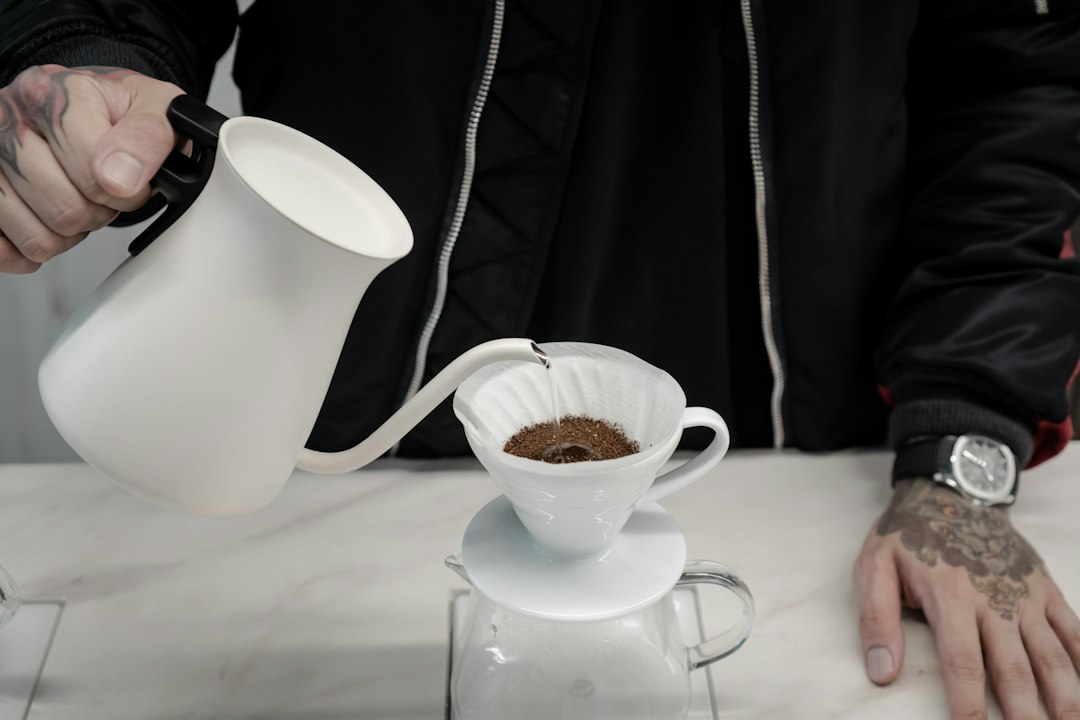
See the HIYAKOI 0.8L gooseneck kettle on Amazon if pour shape and precision are your daily pain point. This style helps when you are moving from tea to milk-based drinks and want a tighter handle on flow.
See the Chefman temperature-control kettle on Amazon if you prefer preset-based selection and want to move quickly between common brew settings.
See the Elite Gourmet EKT3001 on Amazon if you care about a clear, simple digital workflow and a sturdy finish that fits a smaller station.
Use these tools with a realistic rule: buy one to solve one recurring friction. If your main issue is temperature drift, choose a tool with stronger control and avoid piling on another machine that looks convenient but repeats the same behavior.
What to do right after the upgrade
Do not rewrite your entire station on the first day. Add one repeatable routine and measure it against your old baseline.
First cup in the morning: set and pour with intention, not experimentation.
Second cup in the evening: follow the same rinse and fill logic so taste does not drift by habit.
Third cup for guests: only then treat temperature as a second priority. If your host flow is stable, the new tool earns its place.
That sounds simple, yes. It is also exactly the point. Better drink systems come from less improvisation, not bigger complexity.
Quick sanity check before you click buy
Before you click any link, use the live retailer page to confirm current price, return policy, and stock. Product records in our catalog are useful for context, but only the live page tells you what you can actually get today.
The right upgrade for one counter is not the one with the loudest feature list. It is the one that saves you one routine decision every time you use it.